
Chesapeake Bay Fishing: Best Targets and Tactics for Late Spring and Early Summer
Chesapeake Bay fishing follows the seasons, and late spring into early summer is one of the most exciting stretches of the year. While the Bay supports many native species, it’s the seasonal visitors and returning migrants—striped bass, black drum, red drum, speckled trout and croaker—that make spring fishing here especially rewarding. Anglers who time their trips for May and June will find varied opportunities for light-tackle battles, tasty table fare and memorable sport-fishing experiences.
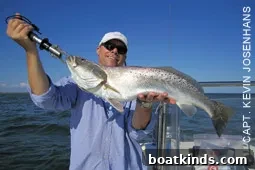
Transition from Spring Migrants to Resident Striped Bass
By late May, most spring-run striped bass (commonly called stripers or rockfish) have left the Bay after spawning and moved back into Atlantic coastal waters. That shift changes the angling pattern: instead of chasing large migratory spawners, many Chesapeake anglers focus on resident stripers that generally run up to around 28 inches. These fish are widely distributed up and down the Bay in late spring and early summer, but success improves greatly when you fish moving tides and concentrate on structure and edges.
Popular methods for catching stripers include light-tackle jigging, casting crankbaits, spoons or poppers, live-lining with spot, chumming and fly-casting with patterns such as Lefty’s Deceiver or Clouser minnows. When targeting stripers, remember they feed best when the water is moving—fishing a slack tide is usually unproductive. Edging into shallow water and working small surface baits can also produce exciting topwater strikes.
Black Drum: Big Fish and Classic Bottom Fishing
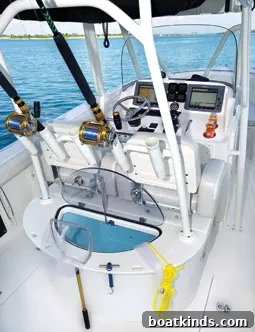
Black drum are a highlight of late spring and early summer fishing in Chesapeake Bay. Spawning runs occur from late May through June and into early July, and you’ll find drum concentrated in areas below the Chesapeake Bay Bridge. Hot spots include Tangier Sound, the Stone Rocks off the Choptank River, Gooses Reef and the waters around Poplar Island.
On sonar, pods of black drum often show up as rounded, high-return targets on the bottom—many anglers liken their profile to a Volkswagen Beetle. These fish feed on crabs, clams and other invertebrates along the bottom. While smaller drum will take a variety of baits, the largest specimens frequently prefer soft crabs. Fish a bottom rig with soft crabs deployed in the middle of a pod and set the hook with a controlled, deliberate motion—hard sets commonly pull the hook free. Because large black drum can exceed 80 pounds and often have parasites in their flesh, most anglers treat them as a premier sport fish and release them.
Red Drum and Speckled Trout Return in Numbers
After years of scarcity, red drum (redfish) and speckled trout (specks) reappeared in substantial numbers around 2010 and have since returned reliably to parts of the Middle and Lower Bay each season. Tangier Sound emerged as a notable speck hotspot, producing some trophy-size trout, while red drum have been found as far north as the Chester River. When they arrive in late May and early June, many of these fish are already in the 18–20 inch range and growing quickly.
Prime areas for red drum and speckled trout include Tangier Sound, the Honga River and backwaters between the Pocomoke River and Hoopers Island. The shallow flats and protected bays in these regions offer some of the most productive light-tackle action. Both species respond well to jigs, spoons and bucktails on light gear; fly anglers will also find success using Clouser minnows (crab patterns), Lefty’s Deceiver or half-and-half patterns. While state regulations in Maryland and Virginia allow keeping limited numbers, conservation-minded anglers and organizations encourage catch-and-release to help these populations continue to expand.
Croakers (Silver Drum): Tasty, Plentiful and Fun
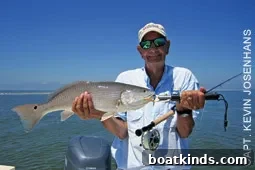
Croakers, also called silver drum, are among the tastiest and most fun-to-catch fish in the Bay. Like other members of the drum family, croakers produce a distinct drumming sound by flexing muscles around their swim bladder. They fight well for their size and are easy to catch on a simple bottom rig, making them a popular choice for anglers filling a cooler.
Croakers concentrate on shoals, sandbars and oyster reefs. They begin showing up around Tangier Island and Smith Island in mid-to-late May and spread northward toward the Chesapeake Bay Bridge by mid-June. Effective baits include bloodworms, squid and small crabs—peeler or soft crabs are often the most productive. Croaker feeding is strongest at dusk and during the night; they feed close to the bottom and rely heavily on scent, so keep baits right on the bottom and use fresh, odorous bait. Croakers also school by size, so persistence often pays off.
Timing Your Chesapeake Bay Trips
If the dog days and heavy humidity of late summer make summer fishing less appealing, consider shifting outings to May and June. These months bring a wider variety of target species, more consistent feeding activity during moving tides and often more comfortable weather. Whether you’re after the hard-pulling fun of resident stripers, the unique challenge of giant black drum, the finesse fight of speckled trout and red drum, or the dependable, delicious croaker, late spring and early summer fishing on the Chesapeake offers excellent options for anglers of all skill levels.
See related articles:
- New England stripers, fluke, sea bass and cod
- The Florida Keys: tarpon, snook, mahi and snapper
June 2014 issue