
Town of Palm Beach Marina Reopens After Major Renovation, Adding Modern Slips and Upgraded Shore Power
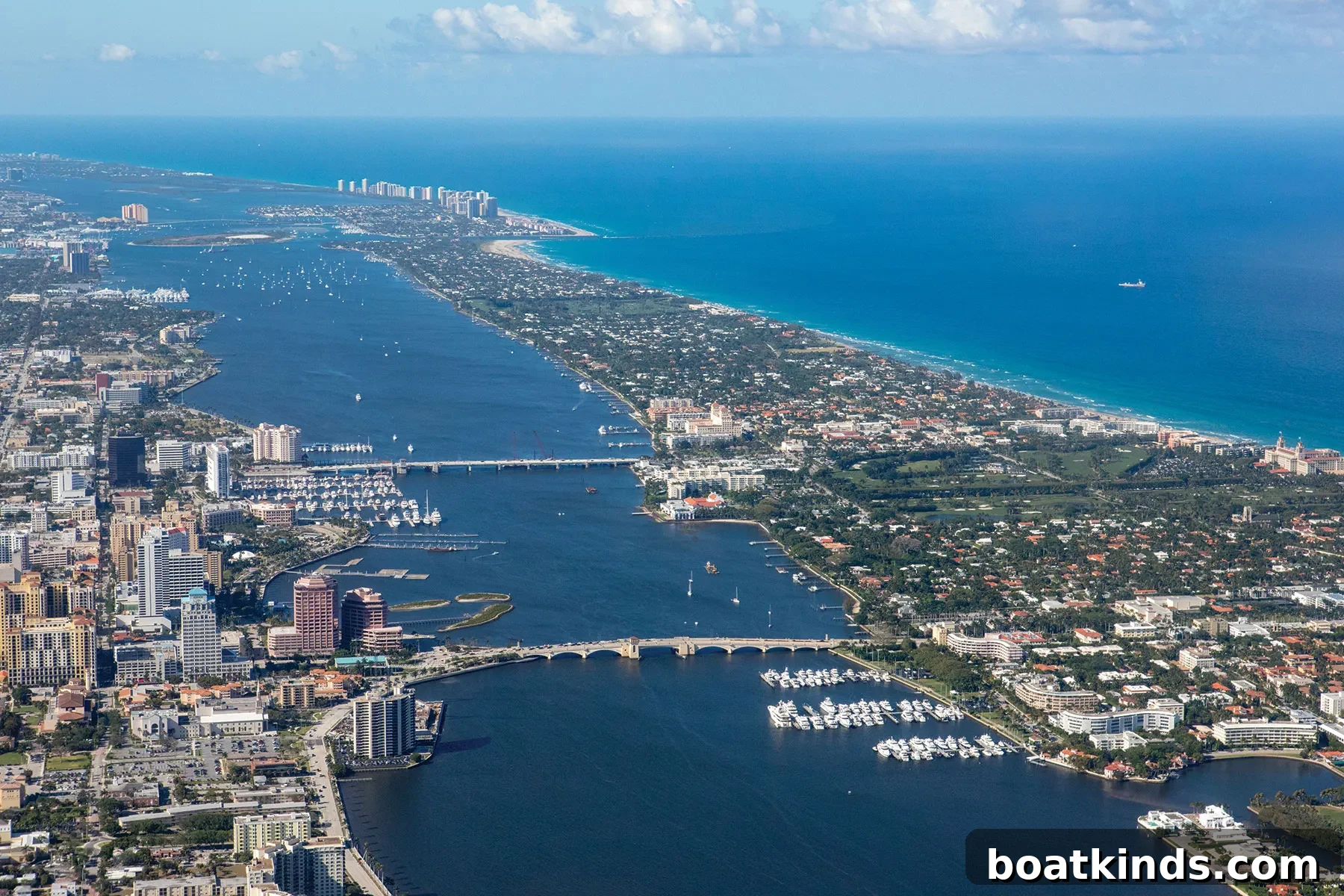
As recreational boats grow larger and onboard systems demand ever more electrical capacity, many older marinas across the country are struggling to keep pace. Small slips, aging pilings and outdated shore-power systems can leave modern yachts without the services they expect. The Town of Palm Beach Marina, located on the island of Palm Beach, Florida, exemplified these challenges and has now completed a comprehensive renovation and modernization effort to address them.
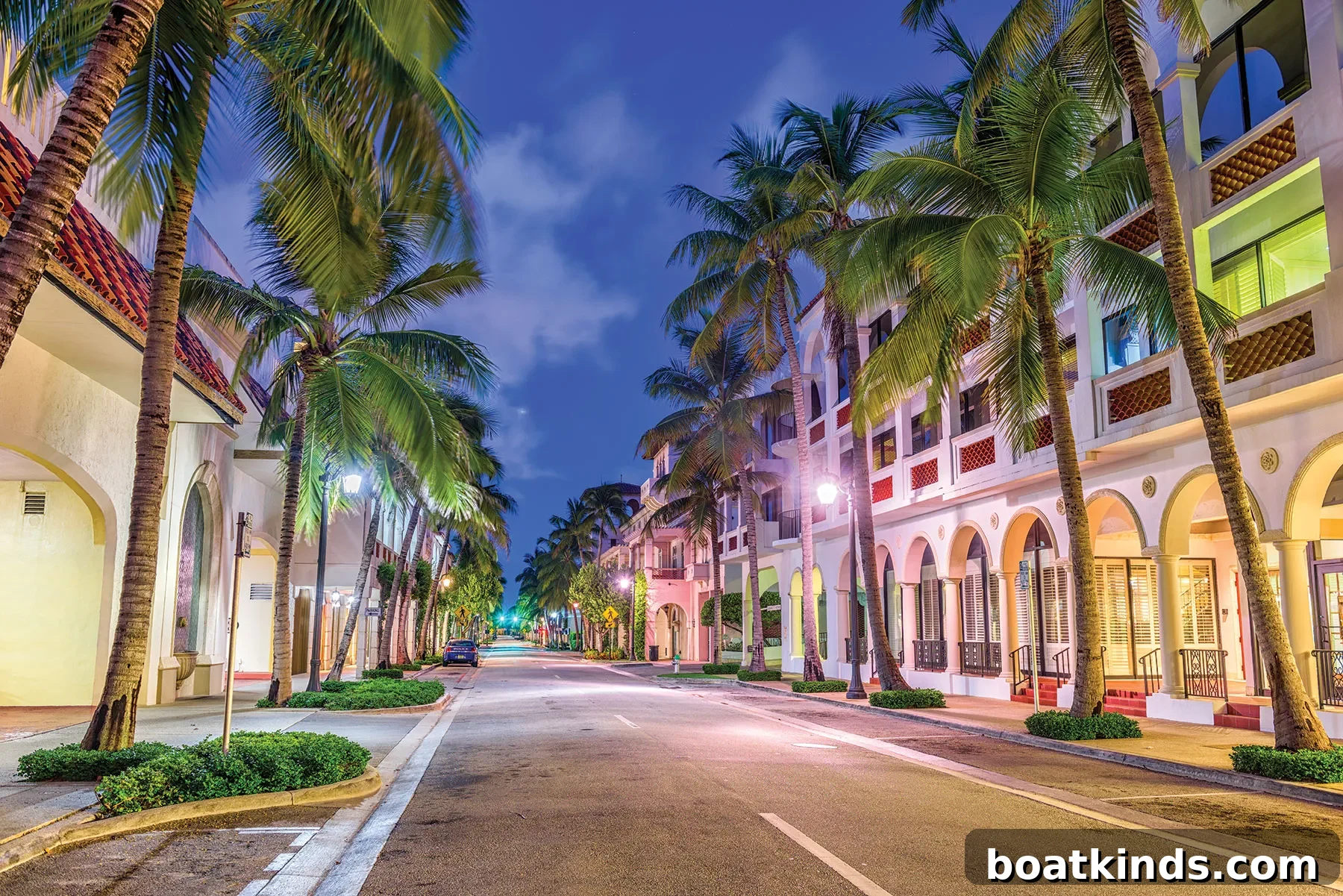
For years this public marina drew boaters because of its prime location near Worth Avenue’s shops and restaurants, along with valuable amenities such as access to the oceanfront par-3 golf course, the Morton and Barbara Mandel Recreation Center and the town’s tennis courts. Still, the facility itself had been aging. Originally built in the 1940s, the marina received periodic upgrades—most recently in the 1990s—but many components, including concrete piles and caps, had exceeded 60 years in service. The old single-phase shore power proved insufficient for contemporary vessels that function more like floating homes.
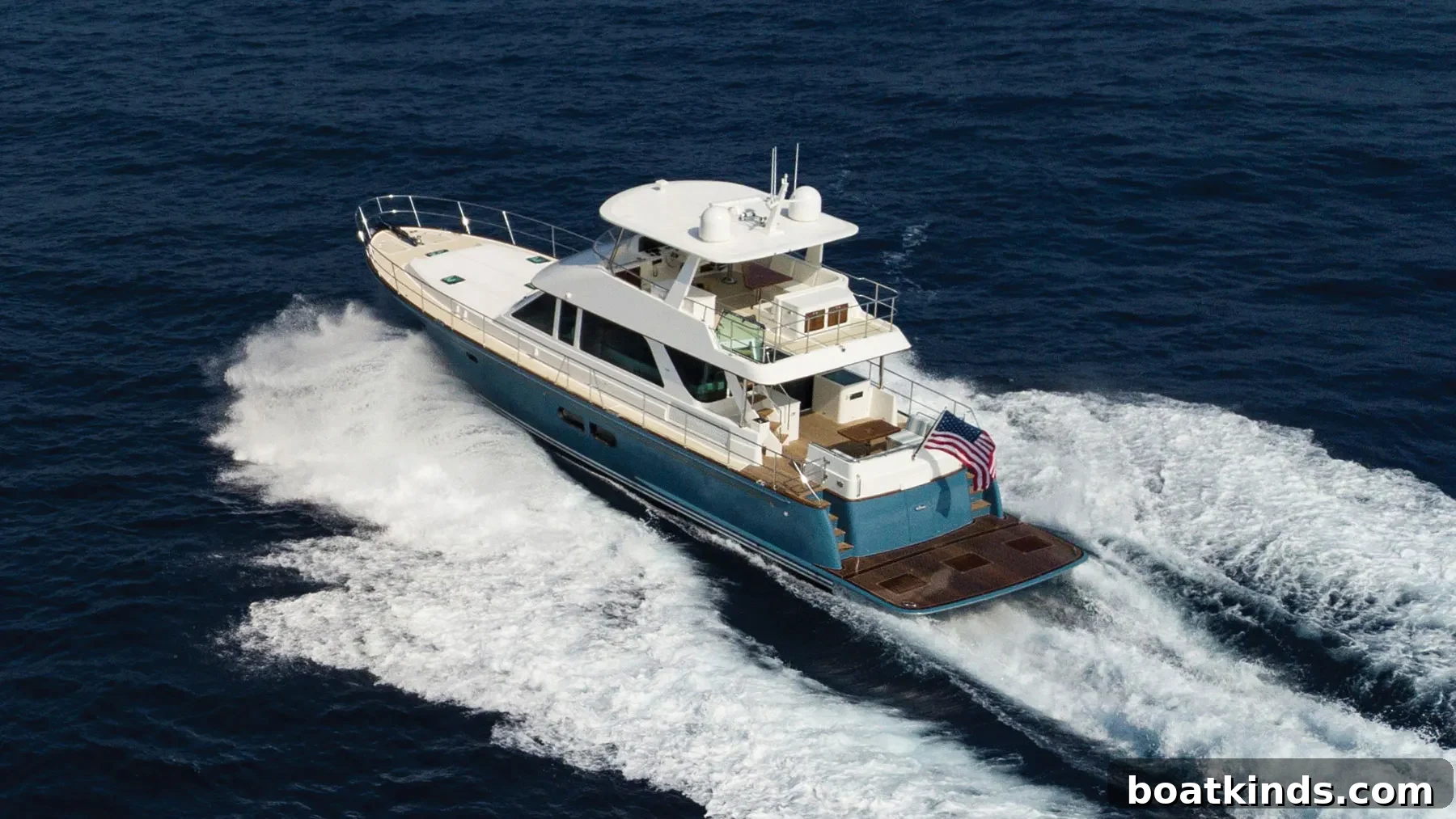
“These boats are floating cities—they have air conditioning, washers, dryers, refrigerators. Wherever they go, they want to be able to plug in and have everything running at one time,” says dockmaster Mike Horn. In the prior configuration, transient 115-foot boats often had to stagger appliances and systems to avoid overloading the supply. That situation made it clear a full-scale modernization was necessary.
The marina embarked on a new master plan in 2017. The rebuilt facility reopened on November 1 with 84 modern slips and a new Royal Palm Dock capable of accommodating vessels from 60 to 294 feet length overall. Transient and annual slip reservations are now being accepted through the marina’s reservation channels.
As part of the redesign, the marina adjusted its minimum boat length from 50 to 60 feet. That decision reflects both the changing mix of boats and the practical layout of the new docks. The town did not intend to exclude smaller vessels for good, but available dock space and the economics of repaying a roughly $40 million renovation loan made it necessary to prioritize larger slips. Revenue from larger boats will be a primary component in servicing that debt.
“We run this as a business. It’s not subsidized,” Horn notes. The new Royal Palm Dock measures 250 feet and provides flexible slip configurations and substantial shore-power capacity. Upgrading to more robust electrical service, including three-phase power where needed, ensures modern systems on larger yachts can operate simultaneously without interruption—supporting air conditioning, galley appliances and laundry machines that previous infrastructure could not reliably handle.

Beyond structural and electrical improvements, the marina’s services and staffing have been upgraded to meet contemporary expectations. Security has been enhanced with cameras on docks, entrances and in parking areas, and parking access is now controlled through a smartphone app that provides passcodes for authorized users. The marina also will offer golf carts captains and owners can request from the dockmaster’s office to transport luggage or supplies along the docks, and trash pickup will be provided boatside multiple times a day—eliminating the need for boaters to carry refuse to distant dumpsters.
Additional dock attendants and staff members are being added to deliver more hands-on assistance and improve customer service. The marina’s new web presence integrates with Dockwa slip-reservation software, simplifying booking so customers can request dockage online rather than rely solely on phone inquiries.
As of early August, the physical renovation work was on schedule for the planned November 1 reopening. Deposits had already been received for 80 percent of the slips, with seasonal leases issued in September and annual leases set for October. Interest in the renovated marina has been driven largely by word of mouth: many longtime slipholders who left during the upgrades are eager to return, while new customers are reserving spaces after seeing the improvements under way.
For marina leadership and the local boating community, the completed renovation marks a meaningful investment in Palm Beach’s maritime infrastructure. “When I come over the bridge in the morning and see the progress that has been made, it’s hard to believe,” Horn says, reflecting on the transformation from a dated facility to a modern marina capable of serving today’s larger, more technically demanding yachts.
This article was originally published in the October 2021 issue.