
Giant Sea Turtle Discovery in Spain: Leviathanochelys aenigmatica
Scientists have identified a previously unknown species of giant sea turtle from fossil remains unearthed in northeastern Spain. The newly described species, named Leviathanochelys aenigmatica, is estimated to have had a body length exceeding 12 feet (more than 3.6 meters), making it the largest turtle species discovered so far in Europe.
Fossil Evidence and Naming
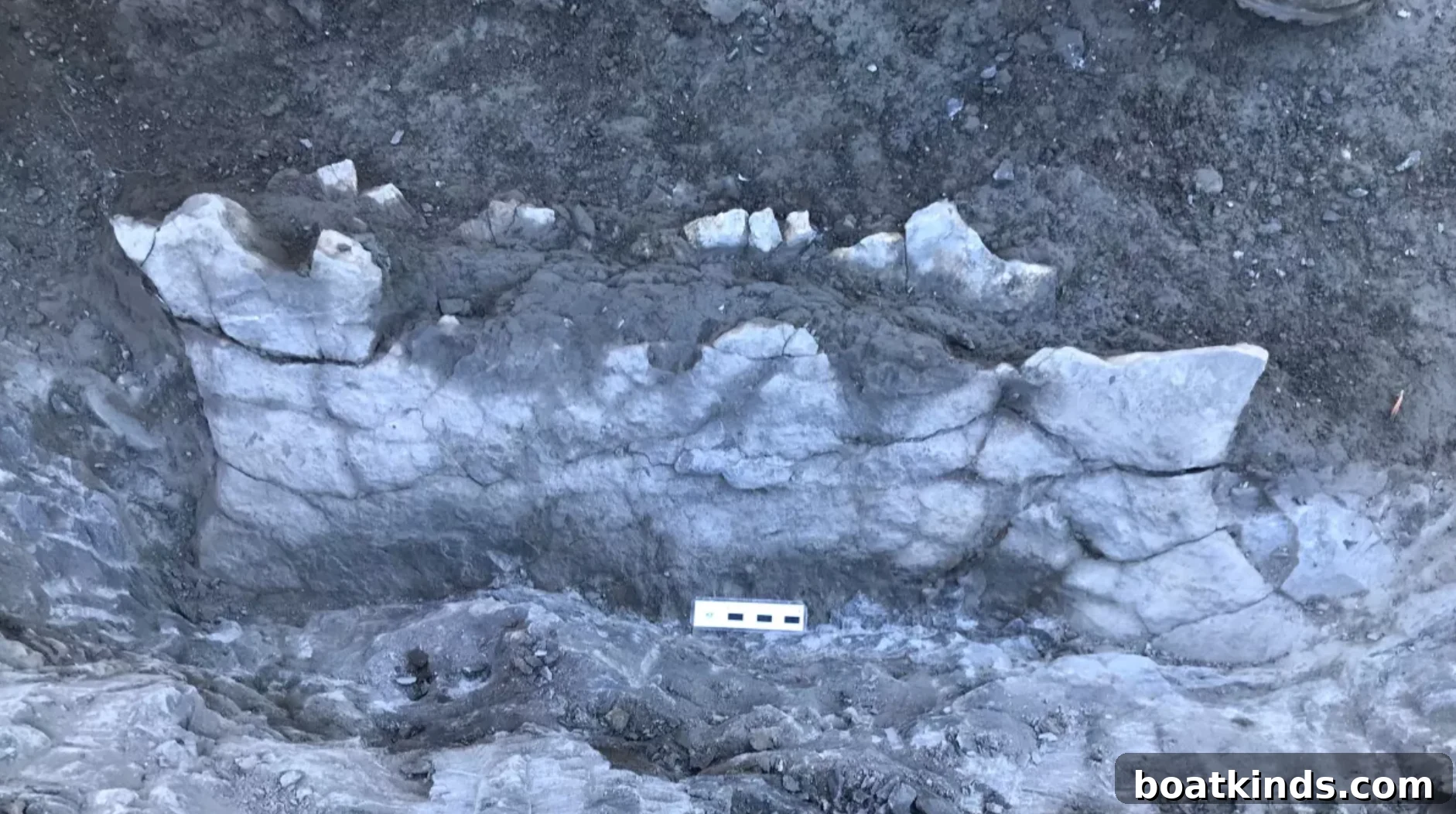
The species identification is based on a set of fragmentary fossils recovered at Cal Torrades in the Pyrenees region. The material includes pieces of pelvis and shell fragments that, when analyzed, provided enough anatomical detail for paleontologists to distinguish a new genus and species. The chosen genus name, Leviathanochelys, evokes the biblical sea monster Leviathan and reflects the animal’s considerable size; the specific epithet, aenigmatica, highlights the enigmatic nature of the discovery given the fragmentary remains.
Age and Geological Context
Researchers place the fossils in the Cretaceous period, roughly between 83.6 and 72.1 million years ago. This timeframe corresponds to part of the Late Cretaceous, a geologic interval when shallow seas covered large regions of what is now Europe and supported diverse marine life. Although the recovered material is incomplete, its morphology indicates adaptation to a marine lifestyle consistent with other large marine turtles of the Mesozoic era.
Size and Comparison with Other Turtles
With an estimated body length of over 12 feet, Leviathanochelys aenigmatica would have been significantly larger than the largest living marine turtle, the leatherback (Dermochelys coriacea), which reaches nearly 6 feet in length. While this makes the Spanish discovery the largest turtle known from Europe, it does not exceed the size of the largest fossil turtle known globally. The Late Cretaceous North American marine turtle Archelon ischyros, first described from fossils discovered in South Dakota in 1895, is still regarded as the largest turtle on record, with specimens measuring about 15 feet long.
How the Discovery Was Made
As is common in paleontology, the initial discovery was accidental: a hiker in the Pyrenees found the bone fragments and reported them, which led to professional excavation and study. Accidental finds like this continue to be a vital source of new fossils, especially in regions where geological exposures are abundant and easily accessible to the public. Once reported, specialists surveyed the site and collected the material for detailed analysis in the laboratory.
Scientific Significance and Future Work
The identification of Leviathanochelys aenigmatica adds an important data point to our understanding of marine reptile diversity in Late Cretaceous Europe. Large marine turtles played significant ecological roles in Mesozoic seas, and each new species helps paleontologists refine reconstructions of ancient ecosystems, biogeographic patterns, and evolutionary relationships among turtles. Because the current diagnosis rests on fragmentary remains, additional discoveries—such as more complete shell material, skull bones, or limb elements—would help clarify the animal’s full size, anatomy, and ecological adaptations.
Details of the research and the formal description were published in a peer-reviewed scientific study. Continued fieldwork in the Cal Torrades locality and surrounding exposures may yield further material that will test and refine the initial interpretation of this unusually large European marine turtle.