
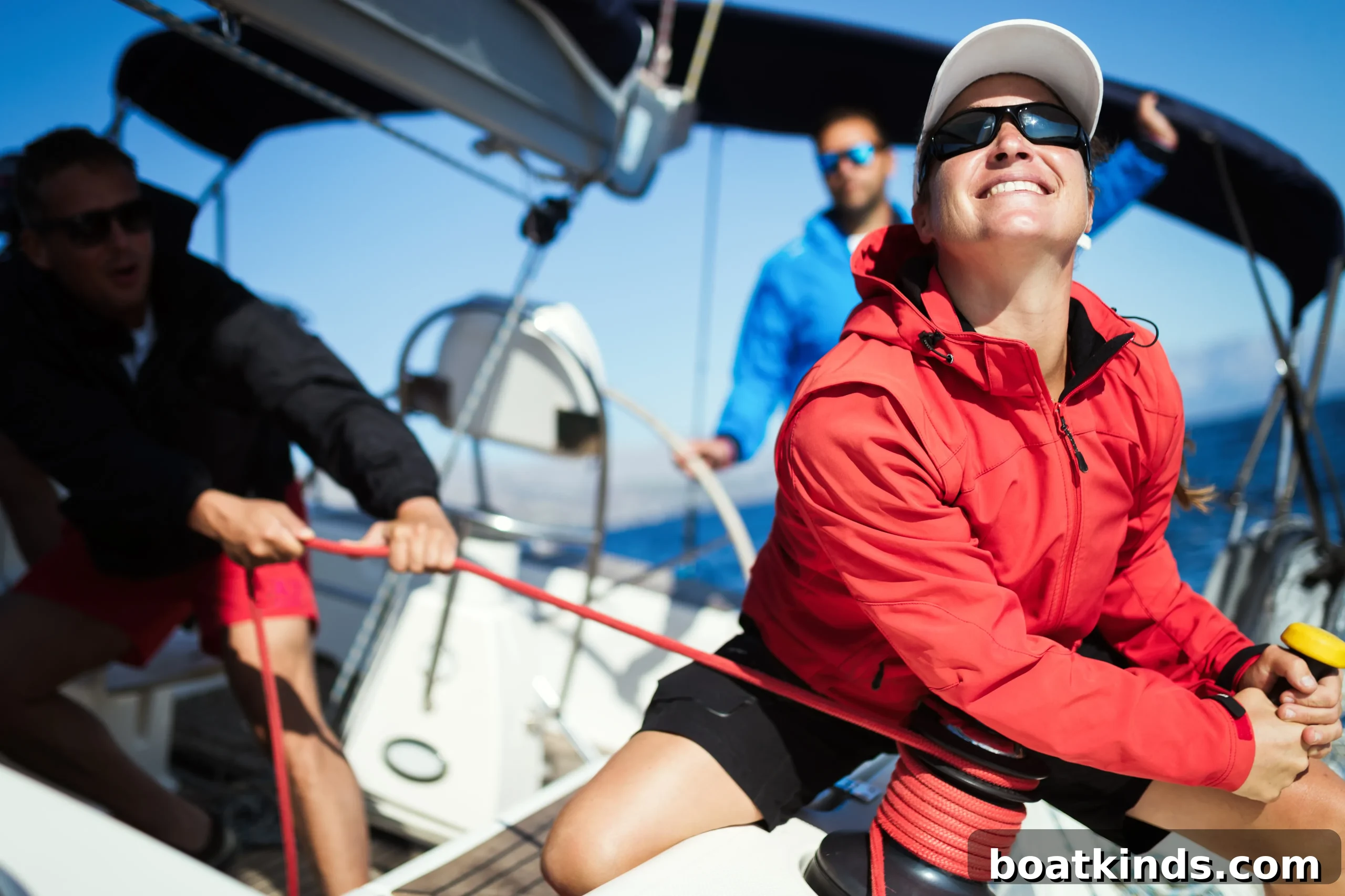
Labor Day Boating Safety: BoatUS Warns of Busier Waters as Fuel Prices Fall
With gasoline prices continuing to ease, BoatUS expects more boaters to head out on the water this Labor Day weekend. As recreational activity increases on lakes and coastal waterways, safety should remain the top priority for everyone aboard.
In a recent online survey of BoatUS members nationwide, 65% of respondents said they plan to go boating over the Labor Day weekend. Nearly 80% welcomed the reduced fuel costs and indicated they intend to extend their boating season into the fall. BoatUS officials say this combination of better prices and favorable plans will likely lead to significantly higher traffic and more calls for on-water assistance during the holiday.
BoatUS reports that its busiest call periods coincide with major boating holidays such as Memorial Day, the Fourth of July and Labor Day, handling more than 90,000 calls annually around these peak times. The most common requests for help from recreational boaters include engine or mechanical breakdowns, running aground in shallow water, needing a jump-start, running out of fuel, and needing a tow to shore or a nearby marina.
“Labor Day weekend traditionally feels like a last blast of summer for many boaters, and this year we anticipate heavier activity on both inland lakes and coastal routes,” said John Condon, vice president of towing services for BoatUS. “Lower gas prices are encouraging boaters to stay out later into the season, but with increased traffic comes a greater need for preparation and safe operation.”
Capt. Richard Lenardson, owner of TowBoatUS in Grand Haven, Michigan, and his crew provide on-water assistance on Lake Michigan. He expects a busy holiday weekend and emphasizes clear safety planning before launch.
“Treat the lake like an ocean,” Lenardson advised. “Conditions can change quickly—one minute the water is calm, the next a wind or weather shift can create challenging conditions. Preparation, situational awareness and reliable communications equipment are essential.” He specifically recommends carrying a VHF marine radio and not relying solely on cellular coverage, which can be unavailable offshore.
Robert Estrada, owner of the TowBoatUS operation on Lake Lanier, Georgia, stresses fundamental boating safety and practical preparation.
“I advise boaters to use a checklist—just as you might for shopping or travel,” Estrada said. “Start with U.S. Coast Guard–approved life jackets for everyone aboard, especially children. After that, confirm you have basic safety gear such as flares, a working fire extinguisher, functioning navigation lights, and thoroughly inspected engines and fuel systems. Also make sure batteries and bilge pumps are in good shape.”
Both captains recommend designating a sober, responsible operator before leaving the dock, and ensuring all passengers know emergency procedures and the location of safety equipment. They also urge boaters to keep fuel tanks topped up for planned trips, monitor weather forecasts, and be realistic about the limits of their vessel and crew.
Practical Pre-Launch Checklist
- Life jackets: Carry one U.S. Coast Guard–approved PFD per person and make sure children wear them at all times.
- Communications: Bring a VHF marine radio and have a charged cell phone; know the vessel’s radio channel and emergency procedures.
- Safety gear: Pack flares, horn or whistle, fire extinguisher, navigation lights, first-aid kit and a basic tool kit.
- Mechanical checks: Inspect the engine, fuel lines, battery, steering, propeller and cooling systems before departure.
- Fuel and range: Verify fuel levels and range for the planned trip with reserve for unexpected delays or detours.
- Weather and route: Check weather and water conditions, plan your route, and file a float plan with a friend or family member.
- Sober operator: Designate a sober person to operate the vessel throughout the trip.
For boaters who want to improve their skills before heading out, BoatUS recommends taking structured courses on seamanship, boat handling, navigation, offshore cruising, weather, safety and rescue at sea, and basic maintenance. These organized training options can sharpen practical skills and increase confidence on the water.
Preparing ahead and following basic safety protocols will reduce the likelihood of common problems and make the Labor Day weekend more enjoyable for everyone. Whether you’re planning a last summer cruise or extending your season into the fall, clear communication, a thoughtful checklist and respect for changing conditions are the best ways to ensure a safe outing.
BoatUS continues to encourage all boaters to plan responsibly and to prioritize safety when the water gets busier during holiday weekends.