
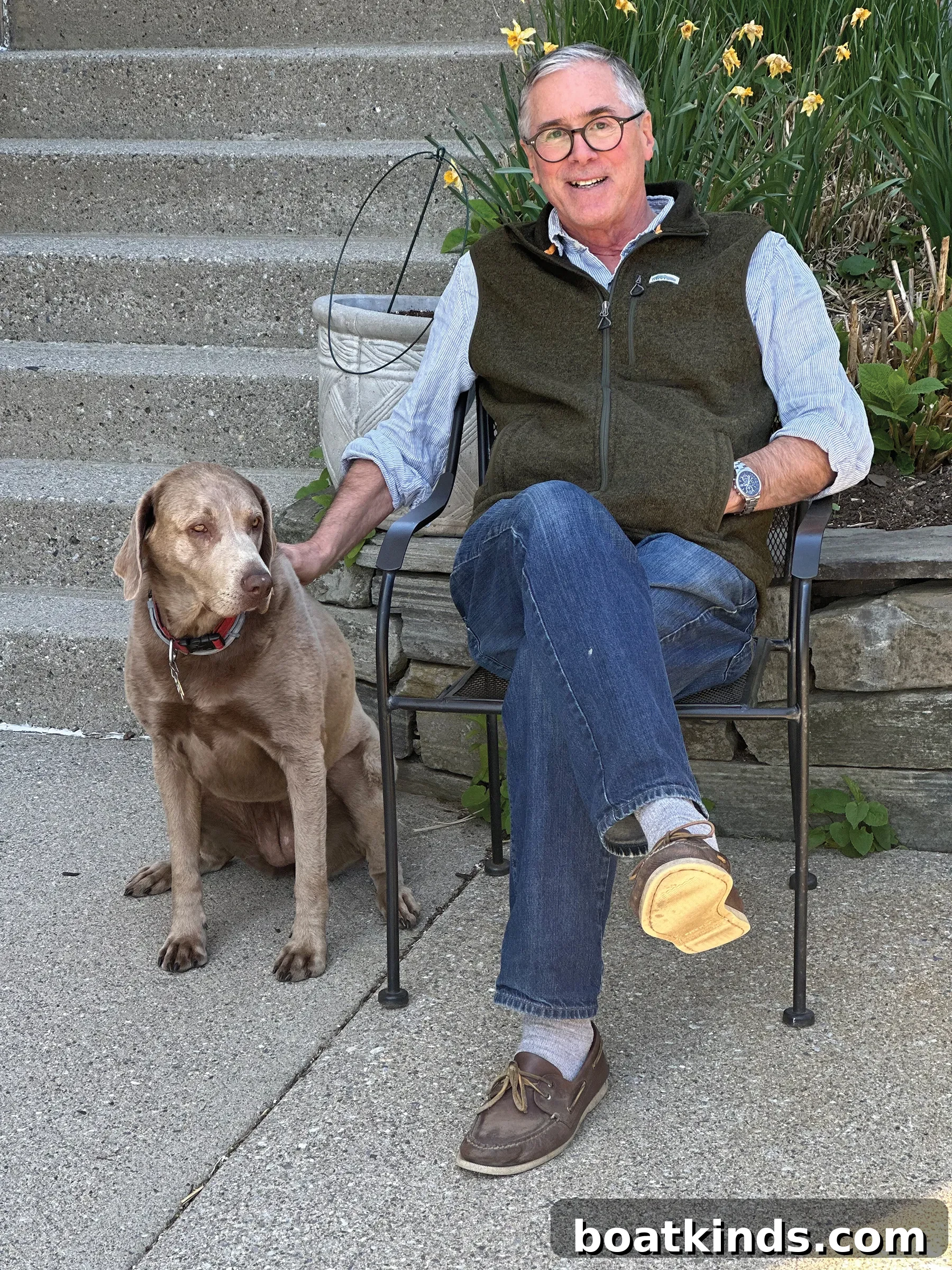
Peter Ralston has spent more than forty years photographing the coast of Maine. His introduction to the region came in 1978 when Betsy Wyeth, wife of the painter Andrew Wyeth, brought him north. While working on one of the Wyeth family’s islands in 1980, Ralston met Philip Conkling; together they founded The Island Institute to support Maine’s island and coastal communities in addressing environmental and economic challenges. Ralston became a full-time Maine resident in 1985. Soundings spoke with the 72-year-old photographer at his gallery in Rockport about his early influences, how he came to the islands, and the work that followed.
Soundings: Where were you raised and how did you get into photography?
Peter Ralston: I grew up in Chadds Ford, Pennsylvania, during the 1950s, a time when photojournalism magazines like Life and National Geographic made it possible to travel and earn a living through photography. That idea captivated me from a young age. In 1957 my parents bought a property on the Brandywine River that had once been a Quaker mill. The following year, Andrew and Betsy Wyeth purchased the neighboring parcel, so I literally grew up next door to them. Their lives and work made a strong impression on me. While I can’t draw, I was drawn to visual storytelling, and photography came naturally: my mother had an Ansco Shur Shot camera she bought in England after World War II, and I used it at summer camp. Photography reached me early and it stuck.
SO: How did that interest become a career?
PR: My first big trip was to Europe as an American Youth Ambassador in the summer of 1965, and that opened my eyes. Back home my academic path was uneven; I left boarding school before finishing high school and set out to be a photographer. I did the usual early work—local magazines, newspapers, product shots, a few weddings—to pay the bills. The Wyeths served as mentors, giving me books, taking me to shows and letting me sit in on conversations that were formative to my visual education. Their support and the experience I gained doing practical jobs helped me grow into the work I loved.
SO: Did the Wyeths steer your path toward photography?
PR: Absolutely. They saw something in me and nurtured it. They exposed me to art, technique, and the culture of making images. Their guidance was a big part of my early development.
SO: How did you end up in Maine?
PR: The Wyeths would return from Maine with paintings and stories that made the place seem exotic to me. In 1977, Betsy told me I was going to Maine with them the following summer. She began buying islands around that time—Southern Island, Allen, Benner—and she invited me to help steward those places, promising that one island would be mine in everything but title if I assisted her. That was my introduction to Allen Island and the work that followed.
SO: So that’s when you went to Allen Island?
PR: Yes. Betsy had a talent for imagining and building the environments Andrew painted. Where Andy’s tools were pencils and paint, Betsy’s tools were crews, skidders, bulldozers and diesel equipment. Allen Island had become overgrown and neglected; she envisioned a small village that could support fishermen and help them remain. The restoration work—clearing fields, repairing buildings, managing the land—created opportunities for hands-on work and for me to start photographing the transformation.
SO: How did you get out to the islands?
PR: Early on there weren’t many boats. The Wyeths had an Aquasport center console, and we camped on the islands in tents before building out shacks and camps. As our work expanded, we used different boats and even built barges in Port Clyde to move wood and materials off the island.
SO: How did Philip Conkling join the project and what came first on Allen Island?
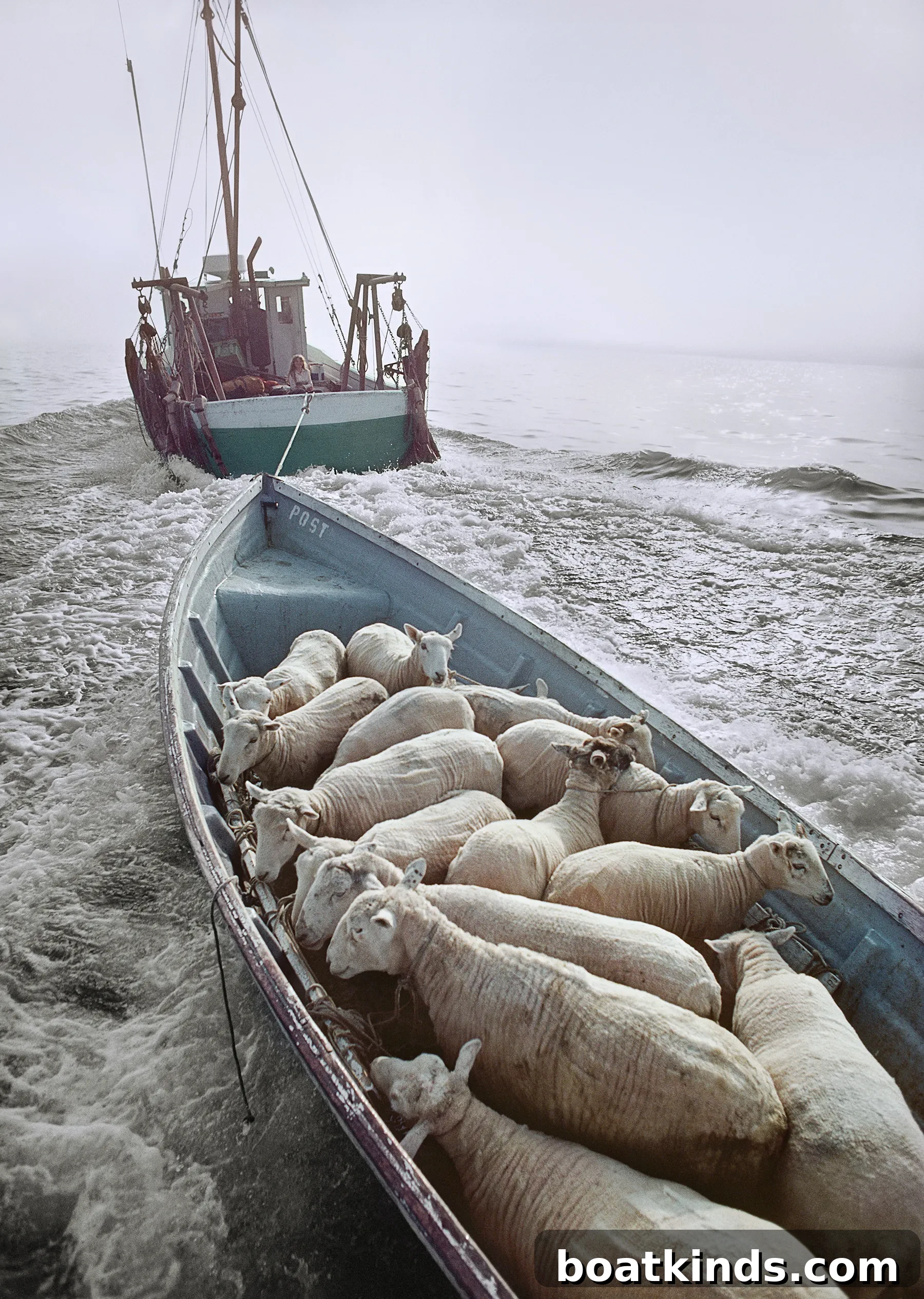
PR: We began by clearing the north end of the island. Philip, with a background in forestry and practical land management, arrived to help. Betsy was the driving force; we were her apprentices. We cleared fields and used local mailboats like the Laura B and ad-hoc barges to remove timber. Logging crews expanded the fields and we introduced sheep to graze as living lawn mowers to keep the growth in check.
SO: Is that how your famous photo “Pentecost” was made?
PR: Yes. We arranged for two Port Clyde fishermen to move the sheep to Allen Island, but when they balked, we loaded the animals into a borrowed dory and towed them. On the run to Allen Island, fog rolled in and the light turned silvery. I switched to a wide-angle lens and, as I asked Philip to bring us closer, the bow of our Aquasport struck the dory. At that moment I fired a single vertical frame that became the “Pentecost” image.
SO: When did you move to Maine full-time and when did you get a boat?
PR: I moved permanently in 1985. Philip and I had founded The Island Institute in 1983 and quickly realized we needed a reliable vessel. Our early boats included a Seaway 23 and a 26-foot Seaway with twin Yamahas called Fishhawk, which we ran without radar for a long time. As the Institute’s work expanded, so did our need for a more capable boat capable of reaching remote communities across Casco Bay and beyond.
SO: What was The Island Institute’s purpose?
PR: We recognized that Maine’s year-round island communities were fragile. Where there were once hundreds of inhabited islands, only a few remain occupied year-round. Philip and I believed these working coastal communities needed practical help to survive—support for schools, housing, transportation and local economies. We listened carefully, raised funds, and built programs that delivered tangible results, such as affordable housing and school support, earning trust over time.
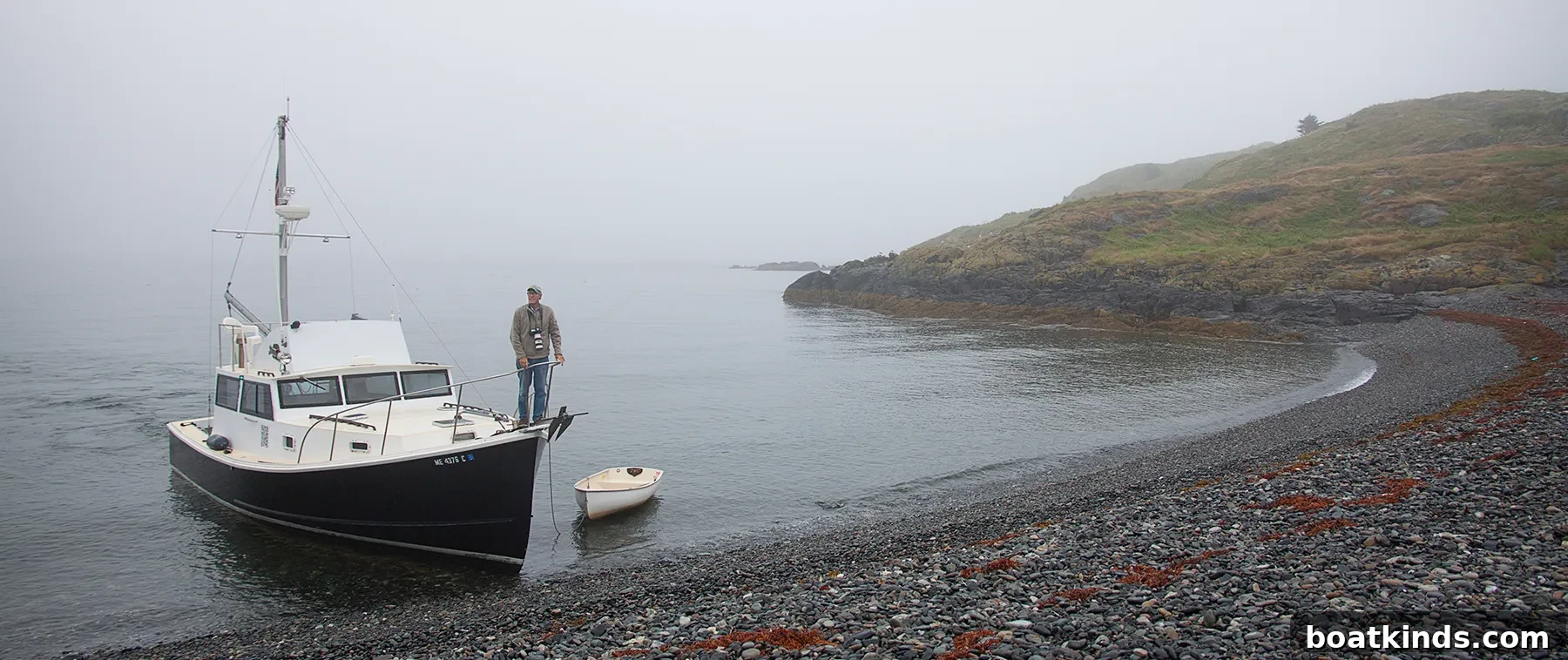
One turning point was when David Lunt of Frenchboro called the Institute when the island risked losing its school. We were able to help, raising funds and working with the community. That cooperation exemplified our approach: listen, learn, and act.
SO: How did you acquire the boat Raven?
PR: A supporter named Betty Noyce liked to go out with me on Fishhawk and decided the Institute needed a more substantial vessel. With philanthropic support, we looked at many boats and found a 37-foot Repco in Castine. The boat had its mechanical challenges, but after reconfiguring the engine and making necessary upgrades, it became Raven. I operated her for many years, and she became much more than a vessel: she served as a school bus for island children, a platform for environmental studies, and a way to bring communities together.
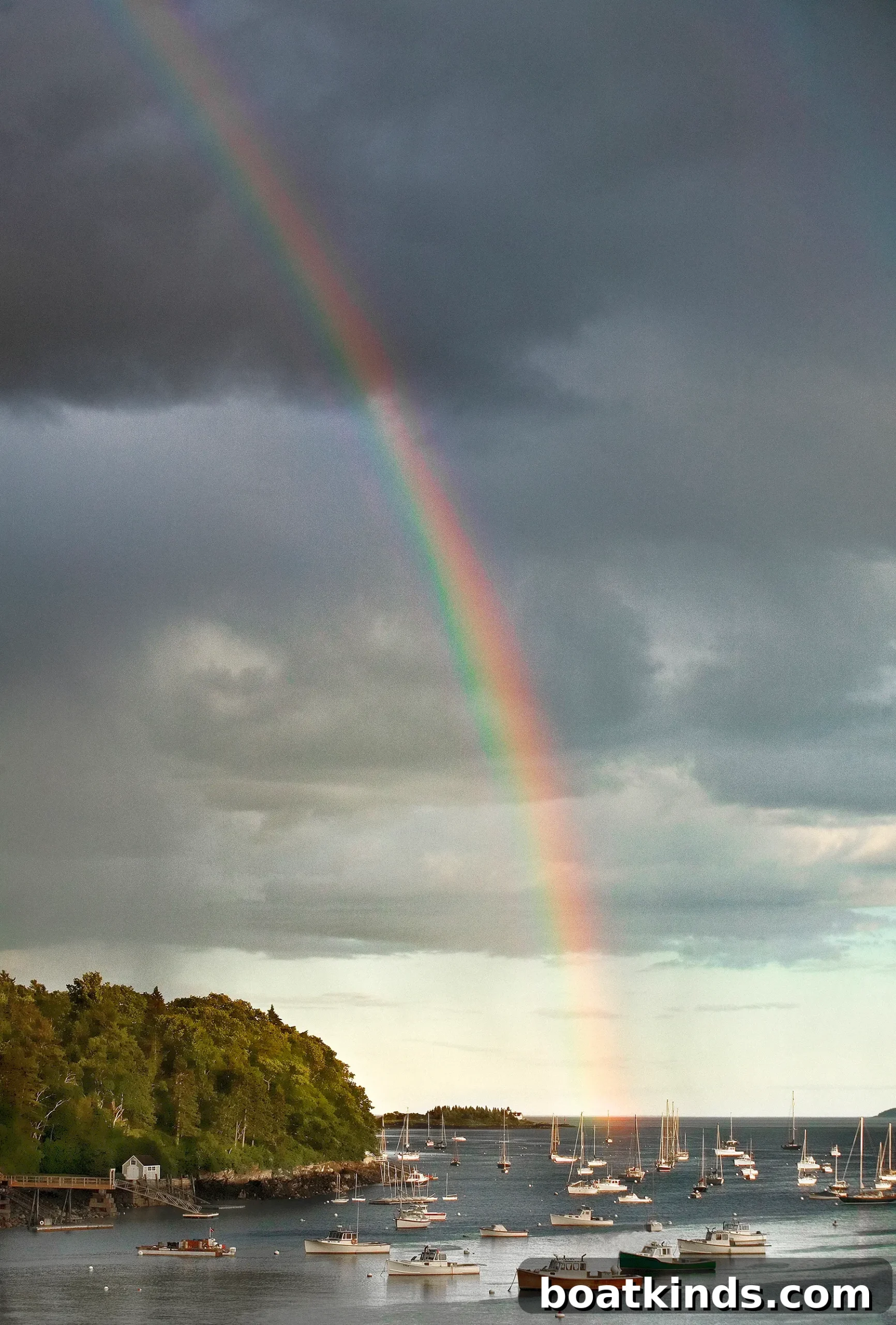
When I stepped away from the Institute in 2010, I eventually purchased Raven outright and she now sits in Rockport Harbor—powerful, reliable, and the perfect boat for my needs.
SO: Where do you like to go boating?
PR: I enjoy exploring quieter channels like Muscle Ridge Channel, which are rugged and less crowded. Friendship has a hard-working fishing culture I admire. Stonington has its own character as a bridged island, but Vinalhaven remains a favorite: large, beautiful, and proudly independent of outside influence.
SO: Looking back on four decades in Maine, what stands out?
PR: I’m profoundly grateful every day. Andy and Betsy Wyeth introduced me to Maine, and that gift changed my life in ways I can’t fully express. The islands, the people, and the work of documenting and supporting these communities have given me a lifetime of purpose and inspiration.
This article was originally published in the August 2023 issue.