
Meg Reilly and Ocean Racers Stranded at Anchor in St Maarten as Caribbean Season Pauses
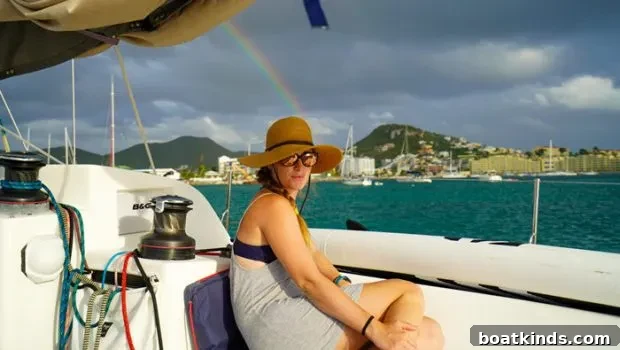
Meg Reilly, co‑founder of the international sailing team Ocean Racers, and her partner Morgen Watson arrived in St Maarten poised to begin their Caribbean racing season aboard their Pogo 12.50, Hermes. Instead, the island entered lockdown shortly after they arrived, and the couple found themselves effectively grounded and quarantined at anchor. With the shutdown repeatedly extended, there is no clear date for when they can resume racing or even safely leave the island; reopening before the start of the official hurricane season appears unlikely.
Only weeks earlier Reilly and Watson had been competing in high‑profile events—by day racing yachts and by night socializing with thousands of sailors at regattas. The sudden stop to that schedule has been stark. Now, their days are spent managing limited resources aboard Hermes, relying on the long hours they put into making the yacht self‑sufficient well before the pandemic emerged. That preparation has proved essential: grocery stores were closed for two weeks after the lockdown and now operate only a few days each week, tightening access to fresh supplies and essentials.
Life aboard a small racing yacht during an indefinite quarantine brings a mix of practical challenges and emotional strain. Reilly and Watson have had to ration provisions, monitor water and power usage, and adapt routines to conserve resources while staying safe and healthy. Tasks that once felt routine—resupplying food, coordinating travel logistics and planning sponsorship events—have become uncertain or impossible. Their business, Ocean Racers, relies heavily on live sporting events and international travel, sectors that are expected to be among the slowest to recover from the COVID‑19 pandemic. As a result, both their competitive calendar and income streams face significant disruption.
Reilly reflects on the psychological side of the experience with an image that resonates with sailors and non‑sailors alike. “We’re all being asked to hold our breaths indefinitely,” she writes. “Underwater we can hold our breath without panic when we know where the surface is. It lays there as a promise, a barrier we can swim to and break through to breathe again. But what about now when there is no surface in sight? What do we do? Grow gills and learn to live in this new environment?”
The comparison captures a shared uncertainty: the idea that knowing a recovery point exists can keep anxiety manageable, but when no recovery horizon is visible, endurance becomes both a practical and emotional exercise. For the Ocean Racers team, that means staying disciplined about maintenance, safety and provisioning while also finding ways to keep morale and focus intact.
Financially, the timing could not be worse. Reilly had invested considerably in a major refit the previous year and spent time and money preparing Hermes for the season. With events canceled or postponed and travel restrictions limiting participation, those investments have not yielded the expected returns. The setback is felt personally and professionally: training schedules are interrupted, sponsorship exposure is reduced, and the logistical costs of staying safe and compliant in a foreign port increase.
Despite the constraints, Reilly and Watson’s prior emphasis on self‑sufficiency has helped them manage. Their preparations—improved power systems, efficient water use, and careful provisioning—mean they can weather an extended period at anchor more comfortably than a less prepared crew. Still, the situation remains precarious and subject to change as local authorities update public‑health measures and seasonal weather risks draw closer.
Their experience highlights a broader reality for many sailors and event professionals: the pandemic has abruptly halted a global community built on travel and gatherings, leaving individuals and teams to adapt on the water and ashore. For Reilly and Ocean Racers, the coming weeks will demand patience, resourcefulness and a readiness to pivot plans as the regional situation develops.
For those interested in a more detailed first‑person account of Reilly’s time quarantined at anchor, a longer report and interview were published by a sailing news outlet that covered her story and reflections on how life aboard has changed since the lockdown took hold.