
How to Install, Adjust, and Use a Magnetic Compass on Your Boat
Even with modern GPS and electronic navigation systems on board, a magnetic compass remains an essential backup and an independent source of heading information. Unlike electronic devices, a magnetic compass needs no power and will continue to show the direction the vessel is pointing even when electricity fails. To rely on it, however, the compass must be correctly mounted, regularly checked, and properly adjusted.
Mounting and Placement: where the compass belongs
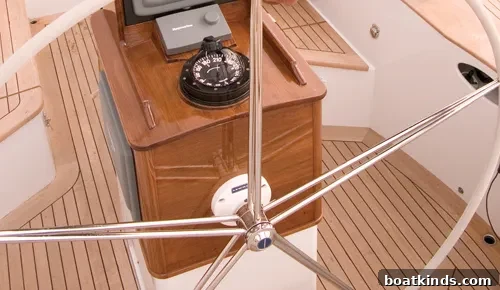
Location matters. Mount the compass on a flat, level surface close to the helm where the helmsman can see it easily—on the steering pedestal in sailboats or on the dash or console of powerboats. The compass should be aligned with the centerline of the boat so its lubber line (a pair of pins or a fixed mark) is parallel to the vessel’s fore-and-aft axis. That makes the heading shown by the lubber line directly usable for steering.
Avoid siting the compass near ferrous metal fittings, loudspeakers, microphones, or electrical equipment and wiring that carry current. Steel fittings, magnets, and electronic devices create magnetic fields that deflect the compass needle and introduce error. Where possible, place the compass as far as practical from such sources of interference.
Swinging the compass and adjusting for deviation
To determine how the compass reads across different headings, the compass must be “swung.” This process involves steering the boat to known headings—often verified by transit marks, landmarks, or a trusted pilot compass—and comparing those true or magnetic headings with the compass reading. Any discrepancies are deviation: heading-dependent errors caused by the vessel’s own magnetic influences.
Most modern compasses include compensator magnets mounted on adjustable rods. During adjustment, these compensators are moved to minimize deviation across a series of headings. A professional compass adjuster can perform this service and provide a deviation card listing errors for common headings, but an experienced skipper can also create a deviation table by careful testing. The aim is to reduce deviation to only a few degrees on each heading.
Understanding variation and how to plot courses
Even when a compass has been adjusted perfectly, it points to magnetic north—not geographic (true) north. The difference between magnetic north and true north is called variation and changes with location. Nautical charts show the local variation on the compass rose, and you must add or subtract this value when converting between true bearings and magnetic compass headings. When planning a course or communicating a heading to the helmsman, always account for both deviation (compass error from the vessel) and variation (geographic difference).
Practical compass use and seamanship
Practice steering by the compass rather than relying entirely on the chartplotter. Steering a compass course builds situational awareness, reduces eye strain, and keeps you more connected to the boat and conditions. On sailboats, compass steering helps you stay tuned to the wind: rather than constantly chasing a line on the plotter, you can trim sail and adjust a few degrees to respond to shifts in wind direction while maintaining a consistent magnetic heading.
Routinely check your compass against bearing lines, shore features, or trusted navigational aids to verify its accuracy. Keep the compass clean, protected from prolonged direct sunlight when possible, and inspect its mounting and compensators after electrical installations or significant metalwork on board, since additions can change the vessel’s magnetic signature.
Choosing and caring for a compass
Invest in the best compass your budget allows. Quality instruments are better damped, more stable in rough seas, and easier to adjust. A well-chosen and properly installed compass, combined with routine checks and an accurate deviation card, will provide reliable service for years.
This article originally appeared in the October 2016 issue.