
Vasa Ship DNA Analysis Reveals Women Among the 1628 Crew and Passengers
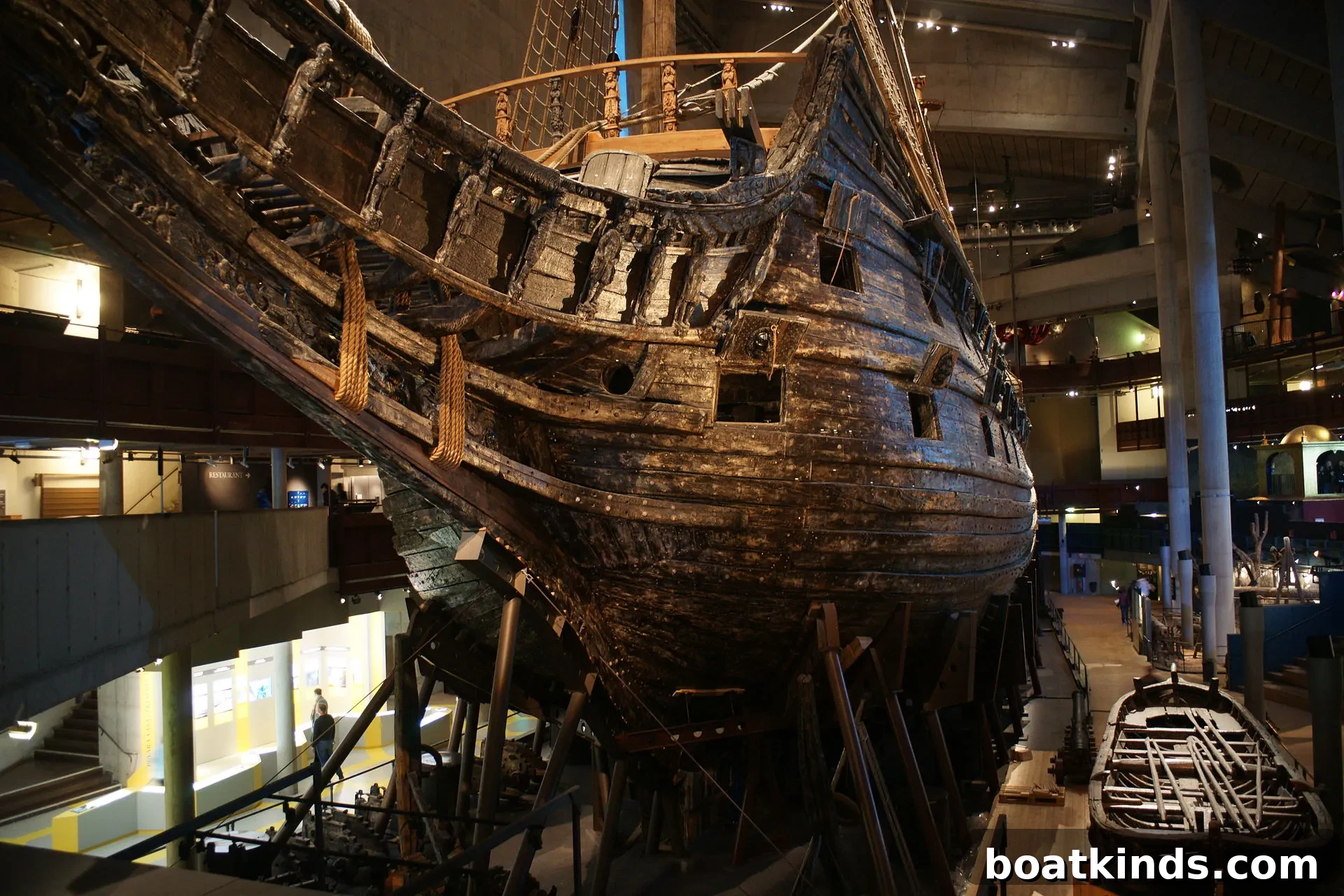
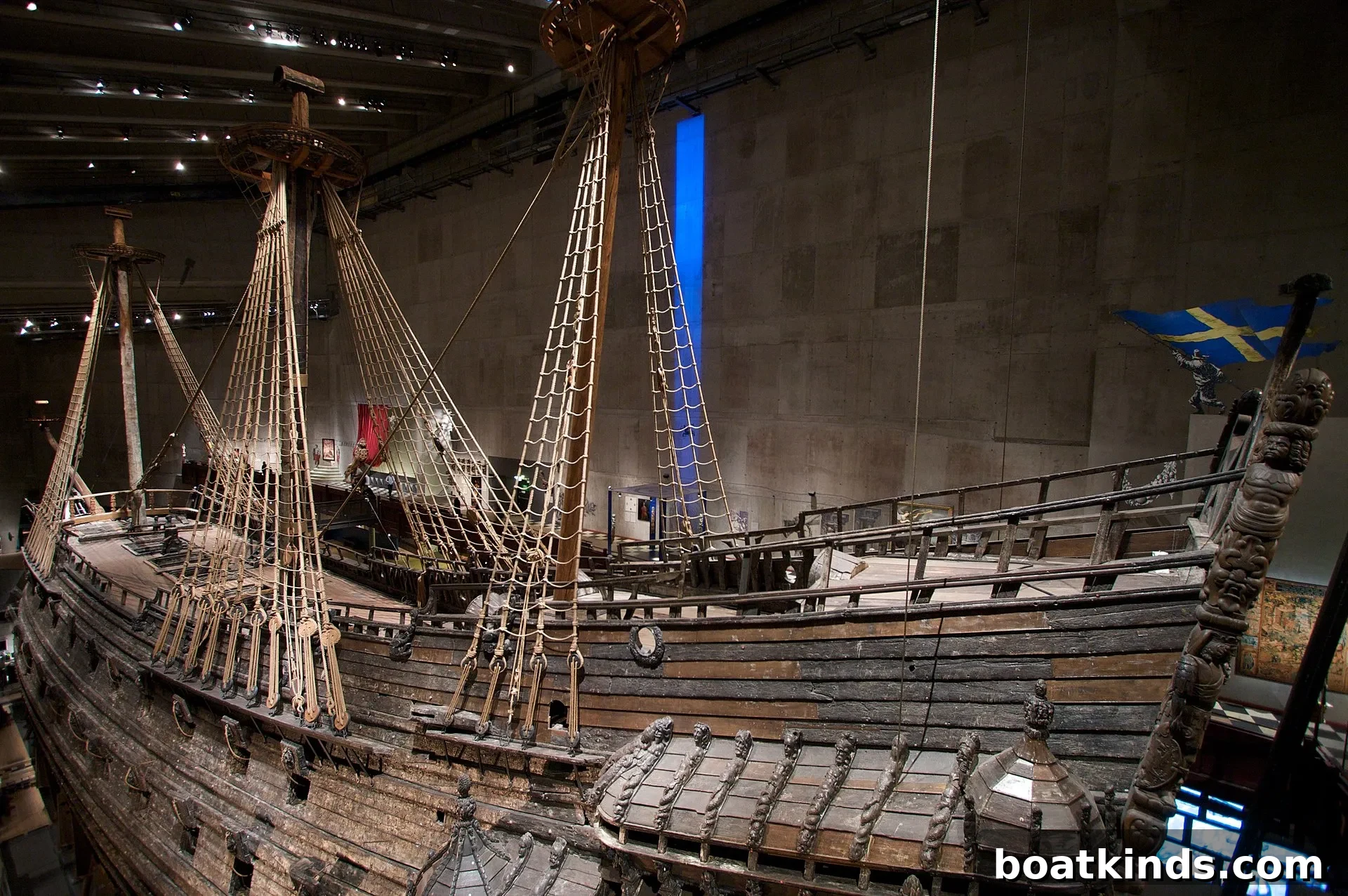
The Vasa, a Swedish warship launched on August 10, 1628, sank within a mile of leaving Stockholm harbor. Strong winds caused the vessel to capsize and water poured in through open gun ports, making the loss rapid and catastrophic. The dramatic sinking made the Vasa a singular event in early modern naval history and a vital subject for maritime archaeology and conservation.
After lying on the seafloor for more than three centuries, the Vasa was raised in 1961 and has been remarkably well preserved thanks to conservation treatment with polyethylene glycol (PEG). That chemical treatment stabilized the wooden hull and other organic remains, allowing researchers unprecedented access to physical evidence from a seventeenth-century warship. The state of preservation has made the Vasa an internationally important source of information about shipbuilding, material culture, and life at sea in the 1600s.
Recent research goes beyond hulls and rigging: advances in DNA analysis and forensic archaeology have allowed scientists to study human remains associated with the wreck. Bones recovered from the ship and later exhumed from burial sites have been analyzed using nuclear DNA testing. These genetic studies have produced surprising results, including clear evidence that women were among the people aboard the Vasa when it foundered.
Finding female remains in the assemblage is significant because it challenges common assumptions about gender and seafaring in the seventeenth century. While most commissioned warships and naval crews of that era were overwhelmingly male, historical records and now genetic data suggest that women sometimes accompanied ships—either as wives of sailors, servants, or, in rare cases, as individuals who concealed their sex to travel or serve at sea. The Vasa evidence adds empirical weight to those possibilities and opens new avenues for research into social roles aboard early modern vessels.
Fred Hocker, director of the Vasa Museum in Stockholm, leads the multidisciplinary investigation of the ship, its artifacts, and the human remains connected to the wreck. Hocker and his team applied osteological assessment and DNA methods to the skeletal material. One individual, identified provisionally in the research as “G.,” displayed spinal changes consistent with a life of very hard physical labor—an observation that complements the genetic identification and raises questions about the person’s social role and daily activities.
Researchers are cautious about drawing definitive conclusions. In the case of the woman labeled G., the team has suggested two plausible explanations: she may have been a sailor’s wife traveling with her husband, or she may have presented or dressed as a man while on board. Both scenarios are historically plausible and supported by scattered documentary evidence from the period, but the Vasa data cannot yet determine which scenario applies in this specific instance. Further osteological study, isotopic analysis, and expanded DNA research may help clarify origins, diets, health, and possible relationships among other individuals recovered from the wreck.
The new genetic findings from the Vasa assemblage are important for maritime history, archaeology, and the broader study of gender roles in early modern Europe. By combining conservation science, classical archaeological methods, and modern molecular techniques, the Vasa research program is reconstructing a more nuanced picture of who sailed and traveled on warships in the 1600s. Ongoing study will continue to refine our understanding of the people who lived and died aboard the Vasa and will deepen knowledge about life on board seventeenth-century vessels.
The discovery has attracted attention in the international press and among scholars interested in naval history, forensic archaeology, and gender studies. Museum curators and researchers emphasize that while DNA evidence can reveal identities and biological sex, interpreting past lives requires careful integration of archaeological context, historical records, and scientific data. Additional investigations promised by the Vasa Museum and its collaborators will help fill out the story of this iconic ship and the diverse individuals connected to its tragic sinking.