
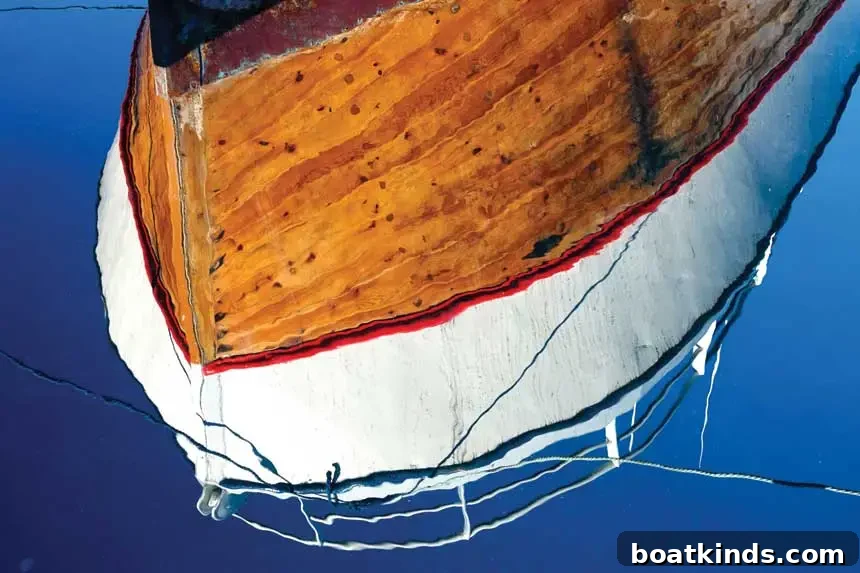
Norwegian Krysser: Traditional Herring and Cod Boats in Tromso Harbor
A Norwegian Krysser is reflected in the waters of Norway’s Tromso harbor. These boats, rooted in long coastal traditions, remain a visible and practical part of life along Norway’s northern shores. The Krysser evolved from earlier working hull types such as the Skoyte and the Kutter and continues to serve as a reliable platform for fishing, tourism, and private recreation.
History and Origins
The Krysser lineage connects to traditional Norwegian small craft developed to meet the demands of coastal fishing and transport. Derived from the Skoyte and Kutter, these boats were shaped by local conditions—open sea, fjords, and a climate that requires seaworthy designs. Over generations the forms and construction techniques were refined to balance stability, cargo capacity, and handling in changing weather.
Design and Construction
Traditional Krysser boats emphasize seaworthiness and functional simplicity. Historically they were built of wood, crafted by skilled boatbuilders who knew how to shape planking and frames to withstand rough coastal waters. In more recent decades some builders have introduced modern materials and techniques while retaining the classic lines and practical layouts that define the type. Typical features include a hull form suited to choppy conditions, a layout that accommodates fishing gear or passengers, and a small sheltered cabin or wheelhouse in many examples.
Uses: Fishing, Tours, and Personal Craft
These boats remain versatile. They continue to operate as working herring and cod boats in areas where small-scale coastal fisheries persist, offering a dependable platform for nets, lines, and hauling gear. At the same time, many Krysser hulls have found new life in tourism—used for harbor cruises, wildlife watching, and coastal sightseeing—because their traditional appearance and steady ride make them appealing to visitors. Private owners also favor them as personal craft for coastal cruising and family outings, appreciating their combination of heritage character and practical performance.
Cultural and Community Importance
Krysser boats are more than functional vessels; they are living links to Norway’s maritime culture. In towns like Tromso, traditional boats contribute to the visual identity of the harbor and the rhythm of coastal life. Local boatyards, restorers, and hobbyists work to maintain these craft, preserving skills in woodworking, seamanship, and traditional rigging. Community events and informal gatherings often center around the harbor, where fishing seasons, boat maintenance, and stories of the sea bring people together.
Maintenance and Preservation
Maintaining a traditional Krysser involves regular attention—timely upkeep of hull planking, paint, and mechanical systems, whether the boat remains wooden or has been updated with modern materials. Owners who choose to preserve original construction methods often rely on traditional knowledge passed down through apprenticeships and local boatbuilding communities. Where modern materials are used, the emphasis is usually on preserving the boat’s functional qualities and classic appearance while improving durability and safety.
Modern Adaptations and Sustainability
Contemporary adaptations have allowed the Krysser to remain relevant. Modern engines, navigation aids, and safety equipment make these boats practical for today’s conditions, whether used in small-scale commercial fishing or coastal tourism. At the same time, many owners and operators prioritize sustainable practices—responsible fishing, careful fuel use, and environmental awareness—so that the boats can continue to serve coastal communities without degrading the marine environment they rely upon.
This article originally appeared in the January 2019 issue.