
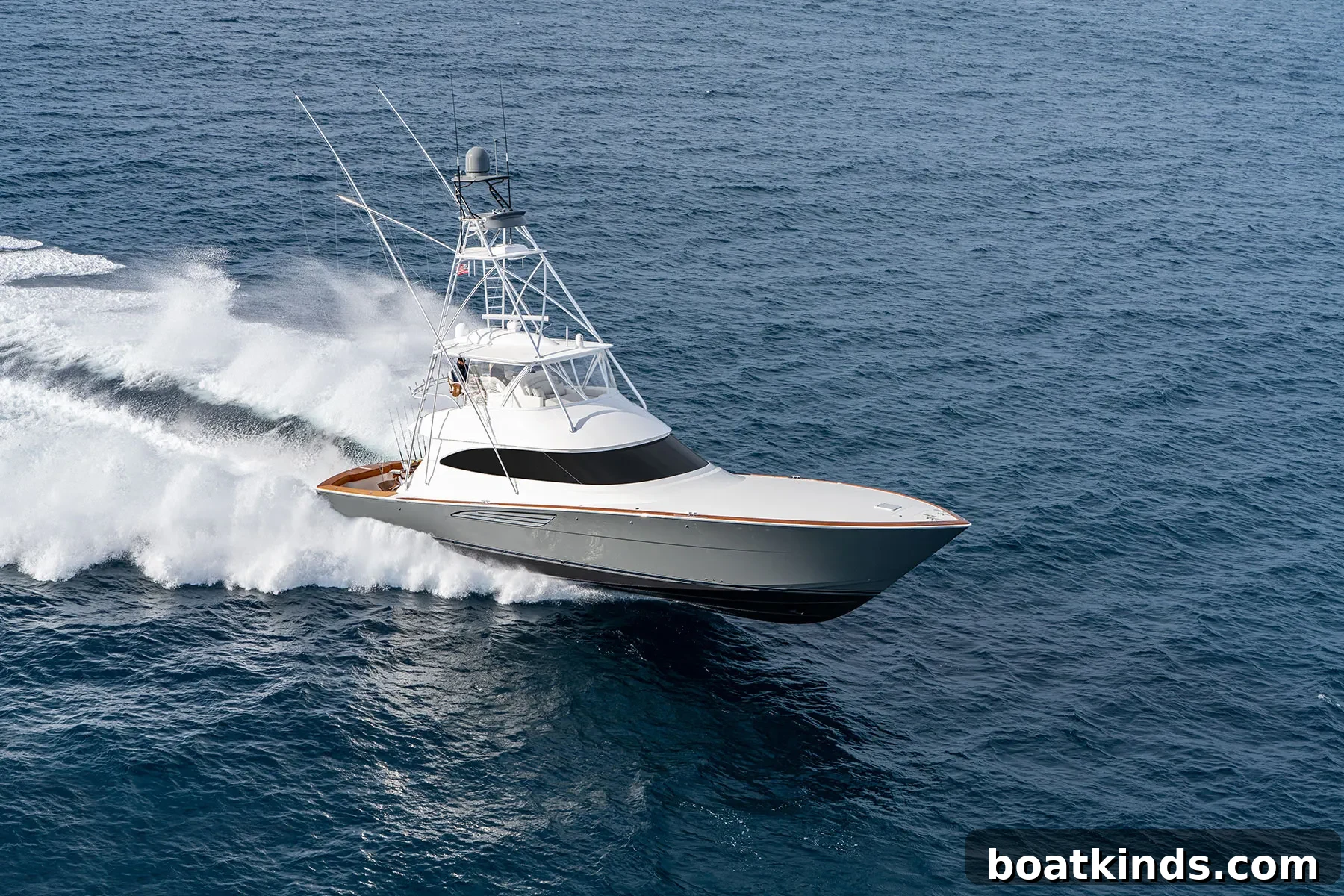
Many powerboat cruisers operate their vessels at speeds and loads well below what engine manufacturers expect. To maximize fuel efficiency, owners often run at displacement speed—typically less than 1.34 times the square root of the boat’s waterline length—which requires low rpm and often loads the engine at less than 25 percent of its capacity. While low-speed cruising is economical and extends range, it can create operating conditions that affect engine health.
Older diesel engines are particularly vulnerable to problems when run lightly for long periods. But with the widespread adoption of modern common-rail, computer-controlled diesel systems, are those concerns still valid? We looked into the mechanics and practical guidance to separate myth from reality.
The Perils of an Easy Life
Many passagemakers are fitted with engines sized to provide just a margin beyond displacement speed—enough horsepower to fight tides and wind but not intended for prolonged high-speed runs. These engines typically operate at 70 to 80 percent of rated load at cruising speed and offer excellent efficiency and range. Conversely, boats with larger, higher-horsepower engines can break free of the displacement hole and reach higher speeds when needed—useful for weather or schedule contingencies.
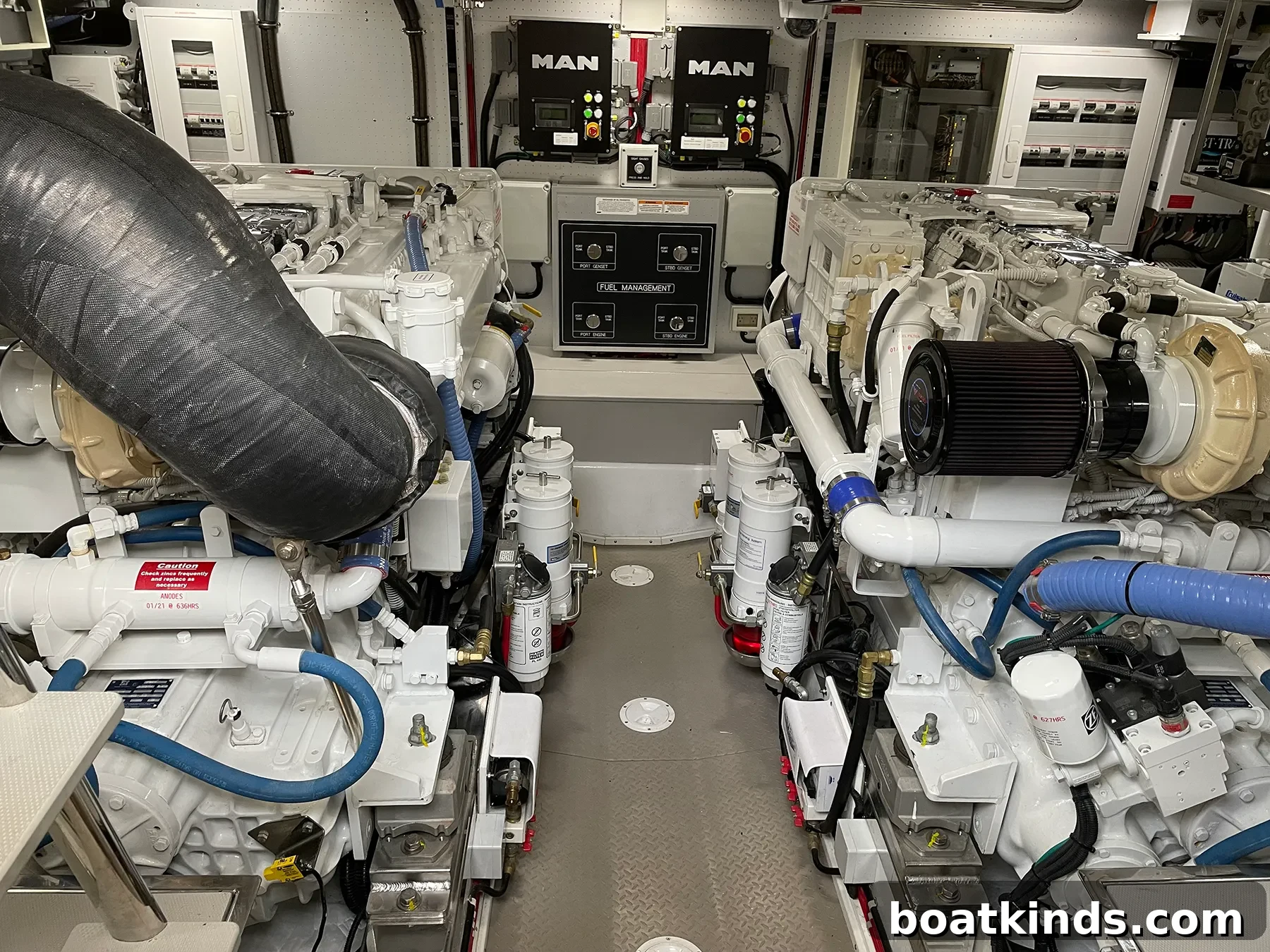
When high-horsepower engines are routinely run at low speed and light load, several issues can arise. While overheating is a widely feared problem, the opposite—running too cool—can be just as damaging. Diesel engines depend on high cylinder temperatures for complete combustion. On older mechanically injected diesels, injectors open at a set pressure and deliver a fixed charge. At high loads and rpm the cylinders are hot enough to fully burn the fuel; at light loads and low speeds, cooler cylinders can leave fuel partially unburned.
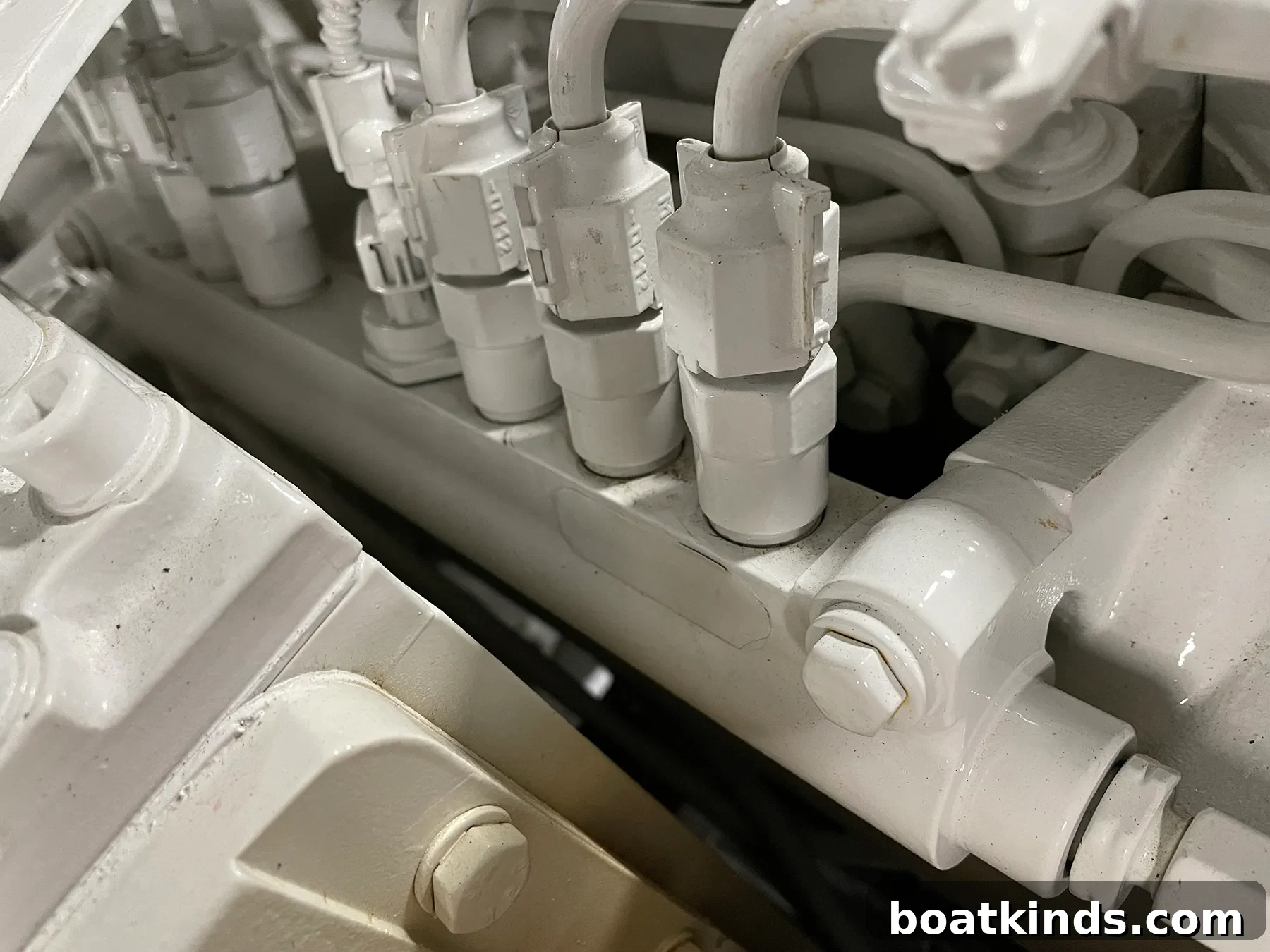
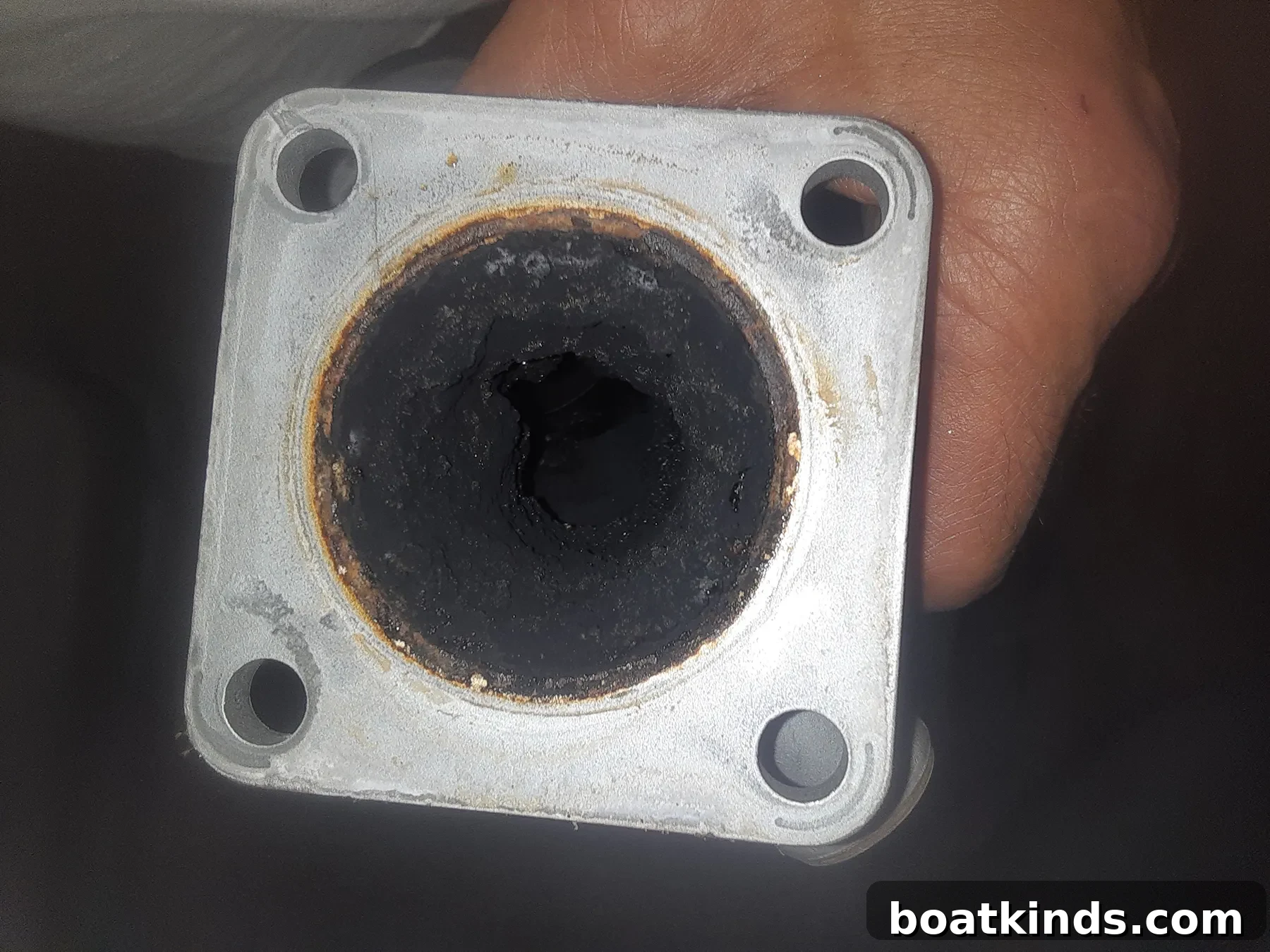
Incomplete combustion produces soot and a heavy, tar-like residue. This carbonaceous buildup—called coke—can coat exhaust components, turbochargers and valve faces. Excessive coking restricts exhaust flow, increases back pressure, fouls turbo blades and prevents valves from sealing, all of which lower engine performance. Fuel-injector tips can also become clogged or their spray patterns distorted, reducing combustion efficiency.
In mechanically injected diesels and generators, running with insufficient load can produce “wet stacking,” where unburned fuel accumulates in the exhaust and crankcase. This is a common issue when a generator is oversized for its expected load; some operators address it by keeping a smaller generator for light loads and using a larger unit only when necessary.
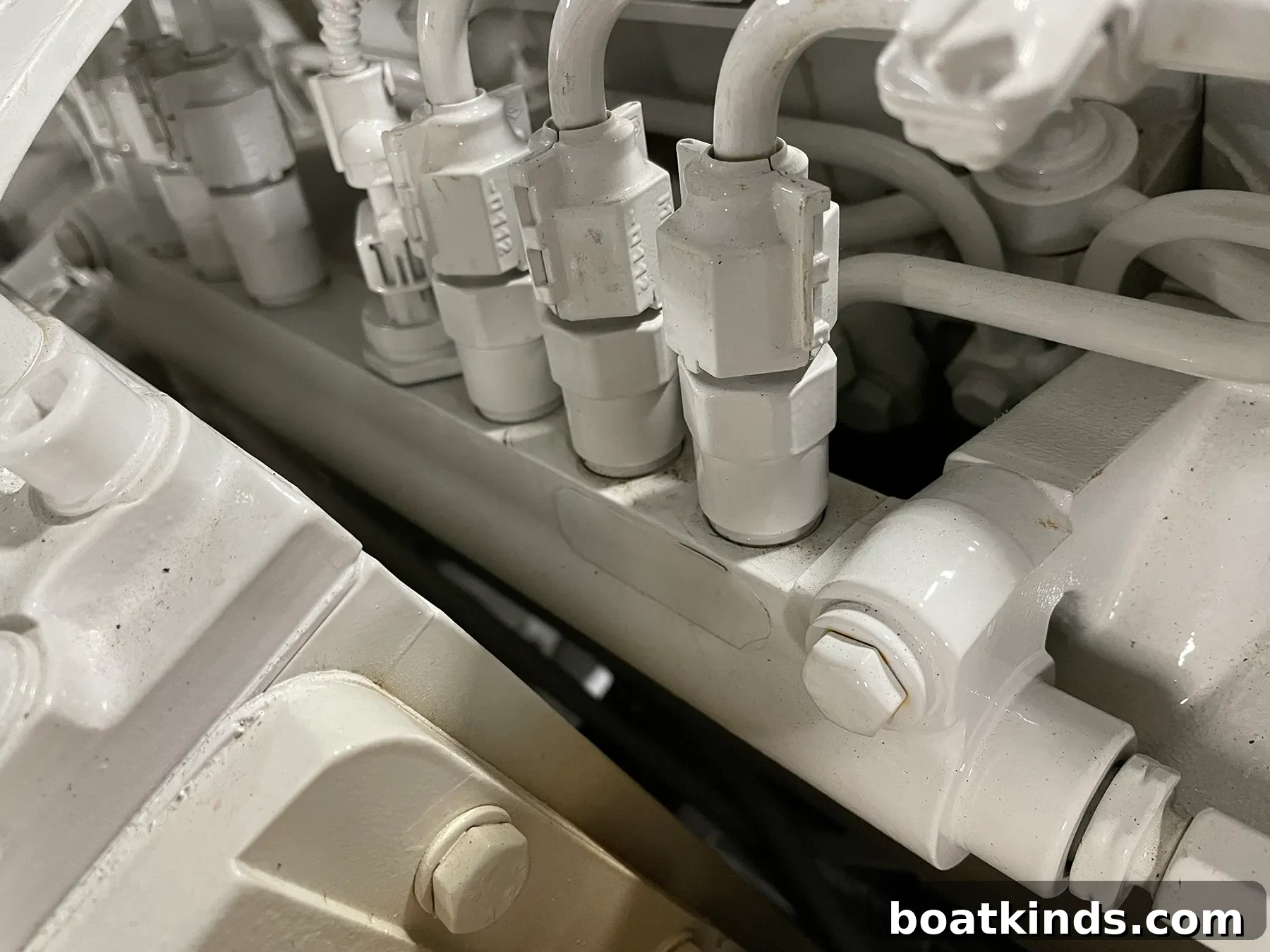
Another consequence of light loading is that piston rings may not reach the temperatures needed to expand and seal against the cylinder walls. That allows unburned fuel to pass into the oil, diluting it and introducing acidic contaminants that can promote internal corrosion and reduce lubricity. Moisture from normal combustion and condensation also accumulates in oil; unless the oil reaches temperatures above 212°F (100°C) to evaporate that moisture, internal damage can result.
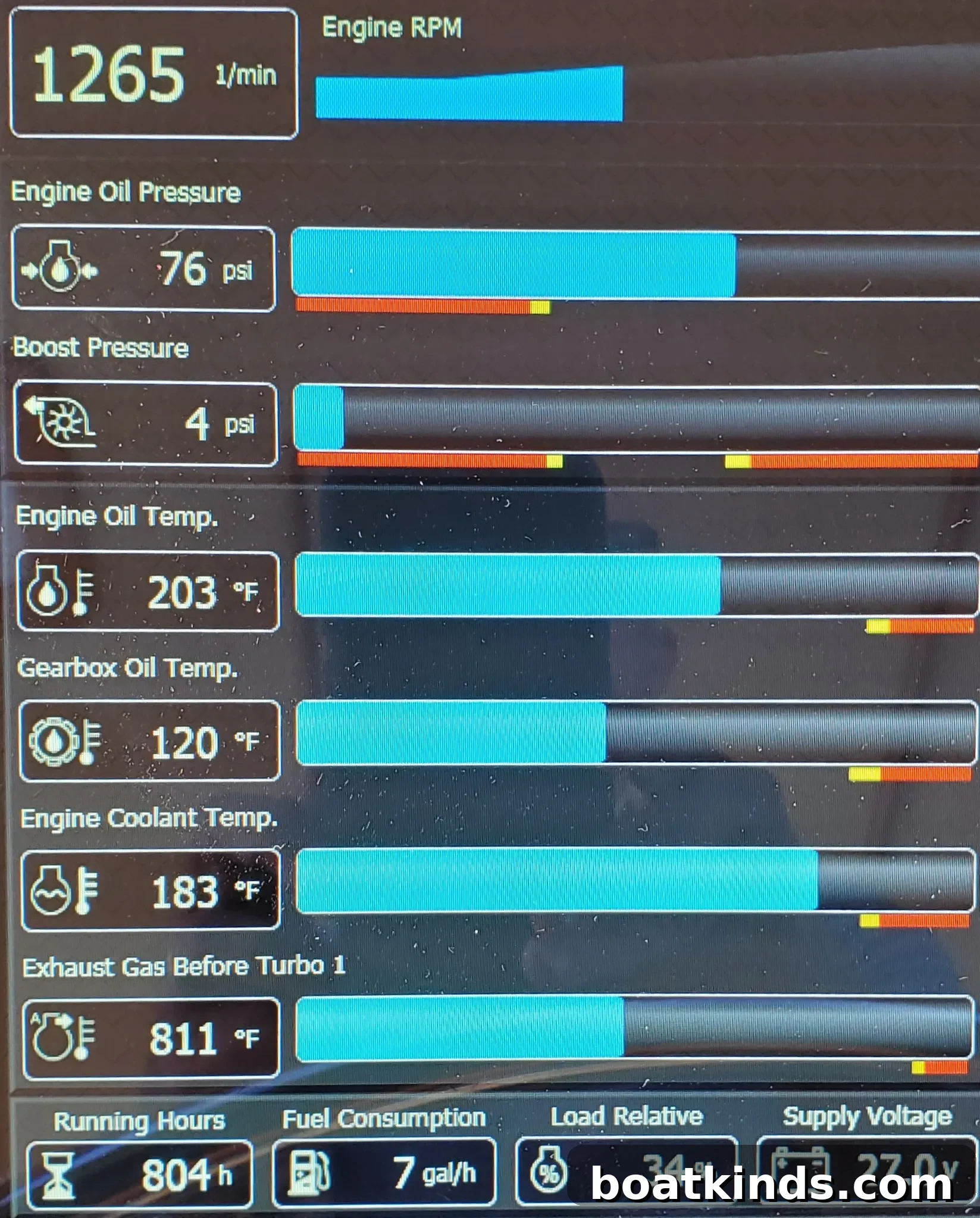
Cooling systems are designed to keep cylinders at an optimal range—hot enough for good combustion but not so hot as to boil the coolant. Engine oil typically runs hotter than coolant, often between 230 and 260°F under full load. If the engine is lightly loaded, especially in cool weather or cold water, oil temperatures may remain too low to evaporate moisture or to maintain proper lubricating properties.
Stoichiometric What?
Peak combustion efficiency occurs when fuel and air are mixed in the ideal ratio for complete burn—the stoichiometric ratio. Modern engines aim to approach that ideal to improve fuel economy and reduce emissions. One major advance is the common-rail fuel system, where a high-pressure pump pressurizes diesel—often between 20,000 and 40,000 psi—into a shared rail that feeds electronically controlled injectors.
Computer-controlled injectors can time and meter fuel much more precisely than older mechanical systems. Instead of a single fixed injection per power stroke, modern injectors can pulse multiple injections per stroke with varying durations to optimize combustion. This yields smoother operation, reduced vibration, lower emissions and better efficiency. The computer uses sensor inputs to adjust injection patterns to match load and environmental conditions, reducing the risk of coking when running at light loads.
Your Current Situation
Start by identifying your engine type. Rather than relying solely on the year, determine whether your engine is mechanically injected or a common-rail design with an ECU. Emissions regulations—implemented in staged tiers (Tier 1 through Tier 4)—drove adoption of common-rail systems in marine diesels, which became widespread from the mid-2000s and especially by 2015 when Tier 4 standards took effect for many new engines. However, mechanically injected replacements and refurbished older diesels remain available and are sometimes chosen for their simplicity and lower replacement costs.
Mechanically injected diesels are rugged and often easier to service without electronic diagnostics. Because their injectors fire once per stroke and fuel control is less flexible, these engines benefit from occasional heavier loading: aim to bring the engine to around 75 percent load for roughly 30 minutes during a day’s run. A practical guideline is running at 10–15 percent below maximum rpm for a sustained period; doing so raises oil temperatures sooner and helps burn off accumulated soot.
Modern common-rail engines are far less susceptible to chronic light-load problems because the ECU adjusts injection to match operating conditions. Still, oil temperature remains a key indicator of health for all diesels. Ensure the oil reaches at least 212°F to drive off moisture. If you lack a gauge, use an infrared pyrometer on an oil pan or oil-line fitting to check temperatures. If oil temps remain too low, increase engine load in a controlled way as described above.
Balancing the risk of overheating against the harm of running too cool is essential. With regular attention to operating practices—periodic higher-load runs, monitoring oil temperature and understanding your engine type—you can prevent coking, protect internal components and extend the life of your marine diesel. Like a sedentary person who benefits from regular exercise, your engine needs a good workout now and then to stay healthy.
This story originally appeared in the January/February 2022 issue of PassageMaker magazine.