
Two Carbon‑Neutral Vessels Cruise the Hudson, Bringing Museum Programs to the Water
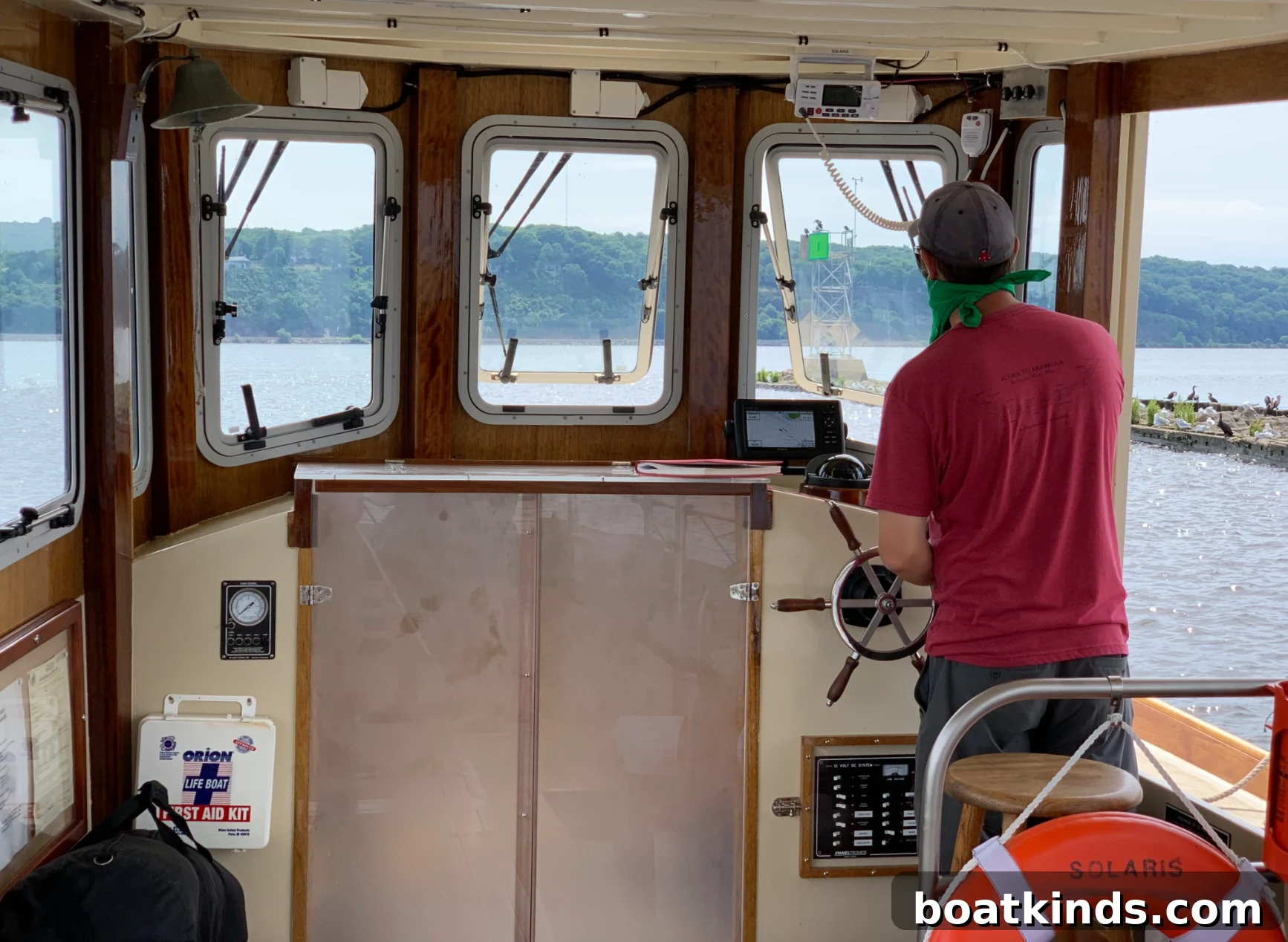
Two carbon‑neutral vessels, the Solaris and the Apollonia, are currently making a nine‑day cruise down the Hudson River toward New York City. The voyage is structured to stop at a different city along the river each day, offering port calls that connect communities with sustainable maritime technology and riverfront heritage.
Solaris: A Solar‑Powered Demonstration Vessel
The Solaris, built two years ago by the Hudson River Maritime Museum in Kingston, New York, operates entirely on solar energy and battery storage. Its propulsion system is optimized for quiet, emission‑free travel: at half power the vessel cruises at approximately five knots, and at full power it reaches about seven knots. A bank of 16 solar panels provides continuous power generation and battery charging, enabling Solaris to operate through daylight hours and extend operations into the night on stored energy.
Beyond its propulsion capabilities, Solaris is intended as a demonstration of how renewable energy can be applied in a local, riverine setting. The vessel serves as a mobile classroom and outreach platform, highlighting the practical application of photovoltaic systems, energy storage, and low‑impact marine design.
Apollonia: Wind and Biofuel for River Commerce
The Apollonia is described as the largest carbon‑free merchant vessel currently operating on the Hudson River. Rather than relying solely on electricity, Apollonia combines wind propulsion with the use of vegetable oil as a biofuel for auxiliary power. The vessel is dedicated to transporting non‑perishable cargo upriver, demonstrating a hybrid approach to zero‑emission commercial navigation that leverages both traditional wind energy and renewable liquid fuels.
By operating as a working merchant vessel, Apollonia provides a real‑world example of how sustainable practices can be integrated into cargo operations on inland waterways, encouraging freight and logistics stakeholders to consider low‑carbon alternatives.
Community Engagement and Museum Outreach
On Thursday, August 20, both vessels are scheduled to arrive at the Statue of Liberty and Battery Park, joining several other historic and contemporary vessels from Classic Harbor Lines to mark the culmination of the journey. The fleet‑style arrival is intended to raise public awareness of sustainable boating and the region’s maritime heritage.
The Hudson River Maritime Museum is using this cruise as a way to bring its educational programs directly to the water. With in‑person summer programming curtailed during the pandemic, the museum adapted by turning the voyage itself into an outreach platform. Museum staff and volunteers are offering onboard demonstrations, interpretive talks, and opportunities for local audiences to engage with sustainable marine technology along the route.
Follow the Voyage
The museum is sharing daily updates, live video streams, and blog posts throughout the nine‑day trip. Updates are being posted on the Hudson River Maritime Museum’s Facebook page and on the RiverWise website, allowing supporters and curious members of the public to follow the route, learn about the vessels’ systems, and see how the project connects to broader efforts in river conservation and low‑carbon transportation.
As the Solaris and Apollonia continue downriver, their voyage serves both as a practical test of low‑impact marine technologies and as a mobile extension of the museum’s mission: to educate, to preserve maritime history, and to demonstrate how sustainable choices can be implemented on the water. Observers along the Hudson can expect a series of educational stops that highlight the ways communities and maritime professionals can work toward cleaner, quieter river transport.