
Surge in New Boaters During 2020 Pandemic Strains Safety Resources and Increases Risks on U.S. Waters
Steve Morlock has worked on the water for about 40 years, filling roles from harbormaster to, for the past 12 years, running TowBoatU.S. out of Oyster Bay on New York’s Long Island. Over that time he’s seen many different types of incidents, involving every kind of vessel, but nothing like the summer of 2020.
“It’s like Fourth of July every weekend,” Morlock says. “When I pull alongside somebody in trouble, it seems like I’m hearing the same thing repeatedly: ‘I just bought this boat,’ or ‘I’ve never had a boat before.’ My head has to be on a swivel. More than once this year I’ve had to stop, reverse and blast my horn because people were coming right at me.”
The scenes Morlock describes are being reported from New England to the Midwest and the South as a large influx of first-time boaters takes to lakes, rivers and coastal waters. With Covid-19 keeping people closer to home and increasing demand for outdoor, socially distanced activities, boating became a top recreation choice in the summer of 2020. That popularity has created new challenges for experienced mariners, first responders and boating-safety officials.
Nationwide statistics for boating incidents in summer 2020 were incomplete at the time, but as of mid-July the U.S. Coast Guard Office of Boating Safety projected a 30 percent rise in on-the-water incidents and a 4 percent increase in fatalities compared with 2019. Those projections reflected reports from multiple states—including Texas, Tennessee and Florida—showing more boats and more calls for help than in previous years.
Capt. Tim Dunleavy of the New Hampshire State Police Marine Patrol Unit echoed the trend locally. “I wouldn’t say our injury numbers are up, but calls for assistance have increased about 30 percent,” he told Soundings. “Weekends have been extremely, extremely chaotic. This is different and more intense than anything I’ve seen in my 32 years with the agency.”
Sales data help explain the surge in new boaters. The National Marine Manufacturers Association (NMMA) reported that new-boat sales in May—when lockdowns began to ease—were the highest in a decade. As states reopened and summer began, buyers who had been cooped up sought outdoor recreation close to home, and dealers reported large increases in sales. Entry-level craft such as personal watercraft, saltwater fishing boats and jet boats saw single-month sales not seen since before the 2007–2008 recession, and many dealerships were sold out by midsummer.
“This strong rebound underscores a heightened interest in boating as a way to enjoy the summer with loved ones while staying close to home, especially as summer camps, sports leagues and vacations have been canceled amid the pandemic,” said Ellen Hopkins Bradley, NMMA chief brand officer and senior vice president.
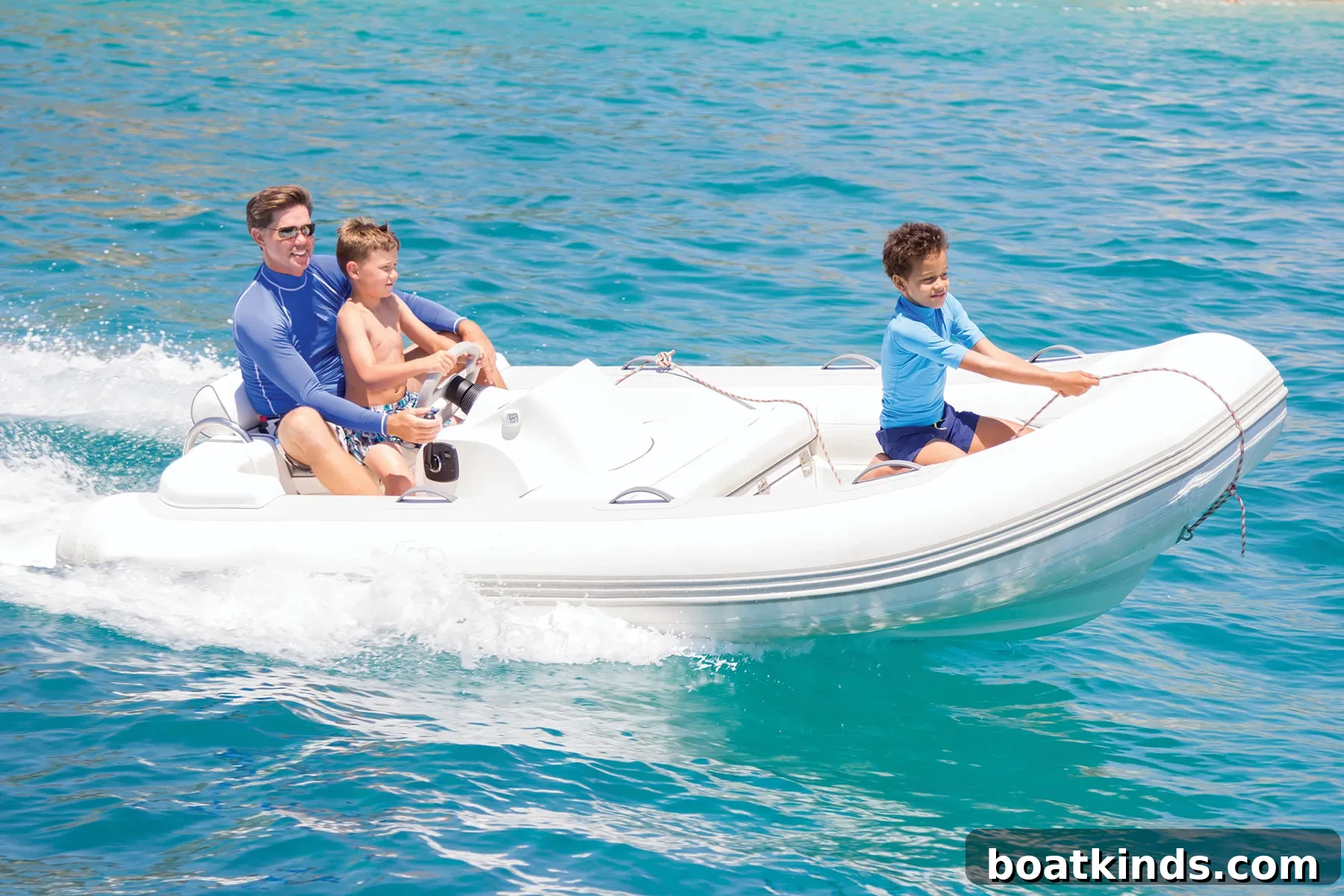
But many of those new-boat buyers did not pair purchases with boater education. Federal and state agencies, as well as organizations like the U.S. Power Squadrons, offer online safety courses and resources, yet a large portion of newcomers skipped training. In some cases, sales moved so quickly that buyers didn’t meet dealers in person; boats were purchased online, delivered on a trailer and launched without hands-on instruction.
“When you have sales going out the door so quickly that you can’t keep inventory in, you probably don’t have time to sit down with the person buying the boat the way you might have before,” said Cody Jones, chairman of the National Association of State Boating Law Administrators. “And if you’re buying the boat, you want to get out on the water right away.”
Jones shared an example: a man who canceled a big anniversary trip because of the pandemic instead surprised his wife with a new 23-foot runabout. She embraced safety courses, but her husband insisted that, having been “on boats all his life,” he didn’t need training. Jones recounted a conversation about engine cutoff switches in which the man was unaware his new boat had one.
Morlock has seen similar knowledge gaps. He recalls tow calls where owners didn’t understand basic systems—one boater assumed a dead battery meant he was out of gas because he hadn’t flipped the battery switch on. “I’ve even had to explain that the battery switch is off,” Morlock says.
State authorities are noticing consequences beyond mechanical confusion. In Minnesota, shore observers have reported more calls about unsafe behavior, and officials are issuing more citations for basic violations, says Lisa Dugan, the state’s boat and water communications coordinator. “We’ve seen a lot of PWCs operating outside allowed hours and people saying they didn’t know the rules,” she said. “Officers are busy with basic violations: paddlers not carrying life jackets, boaters not having required safety gear—some boats don’t have life jackets on board at all.”
To address the information gap, Dugan urges experienced boaters to share safety messages posted by state agencies. “Normally our messages target boaters, but this summer we’re making them very basic: If you’re boating, you need a life jacket and the proper safety equipment,” she said. Sharing those posts helps reach friends and family who might otherwise miss the advice.
On the water, experienced boaters are advised to assume others may lack navigational knowledge or even a sense of location. Morlock recounts towing two men in a rented kayak who didn’t know how to return it to the rental point; they were only about 2,000 yards from the launch but had no idea how to navigate back.
Dugan recommends that seasoned boaters take precautions around newcomers who may not have taken courses or learned boating skills through family traditions. “They haven’t done hands-on training and don’t know things like how to safely cut across a wake,” she said. Being cautious, signaling clearly and allowing extra room can reduce the risk of collisions and other dangerous encounters.
The rapid rise in new boater participation during the pandemic highlighted a clear need for broader safety education and patient, proactive behavior on the water. As the boating community adapts, encouraging basic training, wearing life jackets and sharing safety resources can help keep everyone safer on lakes, rivers and coastal waters.
This article was originally published in the October 2020 issue.