
Candela P-12: The First U.S. Electric Foiling Ferry Set to Launch on Lake Tahoe
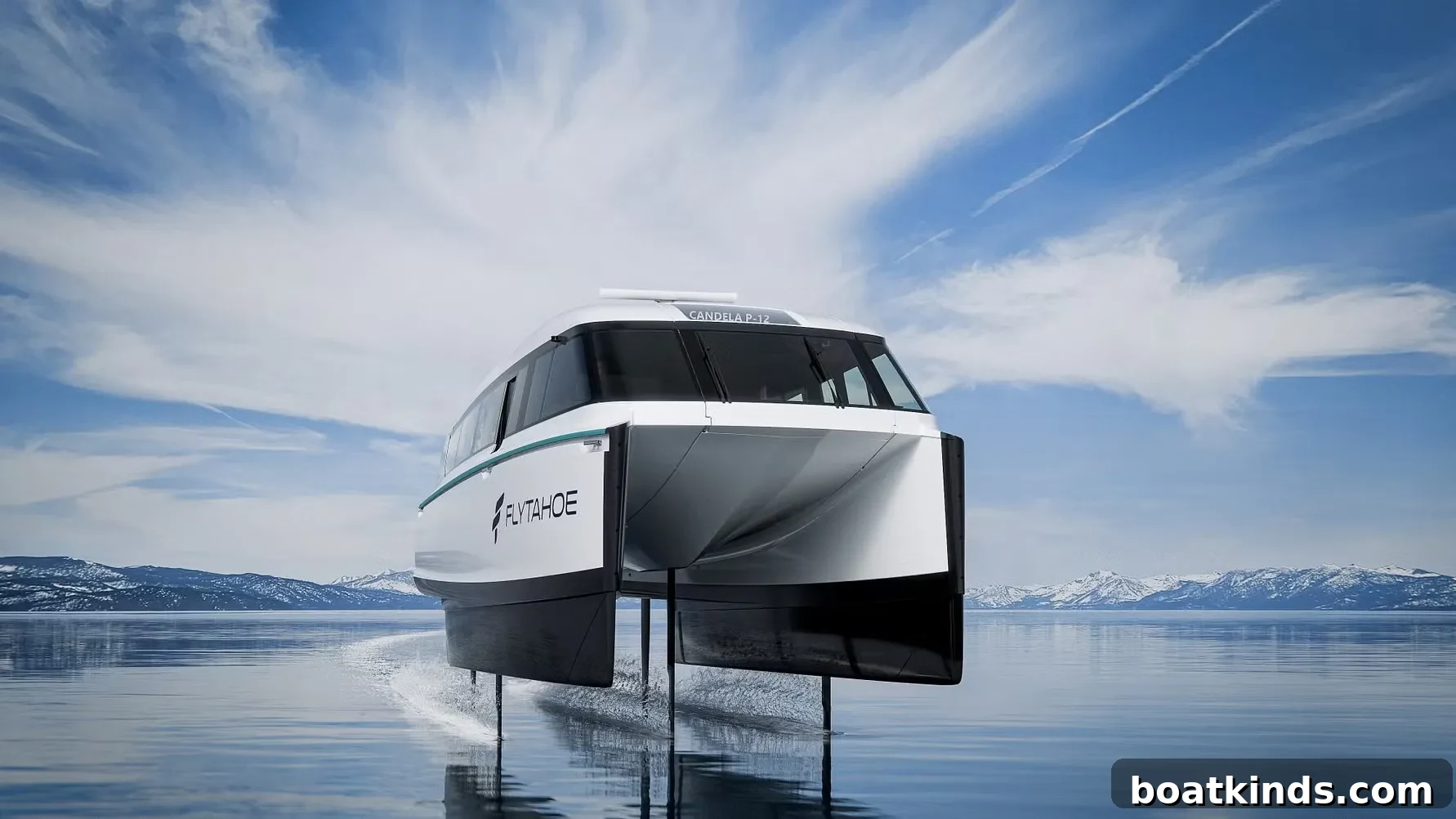
Swedish boatbuilder Candela and Tahoe operator FlyTahoe have announced that the Candela P-12, an electric hydrofoiling ferry, will soon begin service on Lake Tahoe. The introduction of this 30-seat electric ferry aims to shorten cross-lake travel times, reduce traffic pressure on surrounding roads, and cut emissions by replacing diesel-powered vessels and many car trips.
What the Candela P-12 Offers
The P-12 is a compact passenger ferry designed for short, high-frequency crossings. It accommodates up to 30 passengers and includes space for skis and bicycles, making it well suited for Tahoe’s mix of commuters, day visitors, and outdoor recreationists. By cruising at around 25 knots and crossing the lake in approximately 30 minutes, the P-12 can halve the driving time required to travel around Lake Tahoe’s shoreline.
How Hydrofoil Technology Works
The Candela P-12 uses hydrofoil technology: computer-controlled underwater wings that lift the hull above the water as speed increases. When the hull rises onto its foils, water resistance drops dramatically, reducing drag and cutting energy consumption by roughly 80 percent compared with conventional displacement vessels. Because the ferry can be powered entirely by electricity, it eliminates the direct emissions associated with diesel propulsion and lowers operating noise, offering a smoother, quieter ride that also reduces the likelihood of seasickness.
Performance, Comfort, and Reliability
Gustav Hasselskog, CEO and founder of Candela, likens the P-12’s flight-control logic to that of a jet fighter: “It basically works like a jet fighter, which is constantly balanced using ailerons,” he explains. “The principle of the P-12 is the same, except our wings fly in water instead of air.” That automatic stability control keeps the ferry balanced and responsive to waves, delivering a comfortable passenger experience even at higher speeds and in choppy conditions.
Benefits for Lake Tahoe and Regional Traffic
Lake Tahoe draws more than 15 million visitors annually, which creates heavy road congestion, especially during winter when snow closures and slow-moving traffic are common. FlyTahoe estimates that about 20,000 cars traverse the route that the ferry will replace each day. By providing a reliable cross-lake connection, the P-12 aims to remove a portion of that road traffic, shorten travel times for both locals and tourists, and ease pressure on the region’s highways.
FlyTahoe founder and CEO Ryan Meinzer highlights the environmental benefit of shifting trips off the roads: “It’s ironic that while millions, myself included, drive around Lake Tahoe to admire its beauty, the road sediment we generate contributes to the largest threat to the lake’s famous cobalt blue clarity. Our service will provide a faster transport than cars or buses, while keeping the lake blue.” By reducing vehicle miles traveled and using renewable electricity, the ferry supports cleaner water and air around the lake.
Operational and Economic Advantages
Beyond environmental gains, Candela and FlyTahoe say the P-12 will deliver lower operational costs compared with diesel ferries. The significantly reduced energy consumption and fewer moving parts in electric propulsion systems typically lower maintenance requirements and fuel expenses. Those savings can help make frequent, short crossings financially viable while improving the passenger experience through quieter, more predictable service.
Year-Round Service and Connectivity
Because Lake Tahoe does not freeze over, the P-12 can operate year-round, serving commuters, resort guests, and outdoor enthusiasts in all seasons. The ferry is intended to create a practical link to the 14 ski resorts that ring the lake, as well as to towns and trailheads on both sides. Its capacity for skis and bikes makes it convenient for winter sports and summer recreation alike.
Already Proven Technology
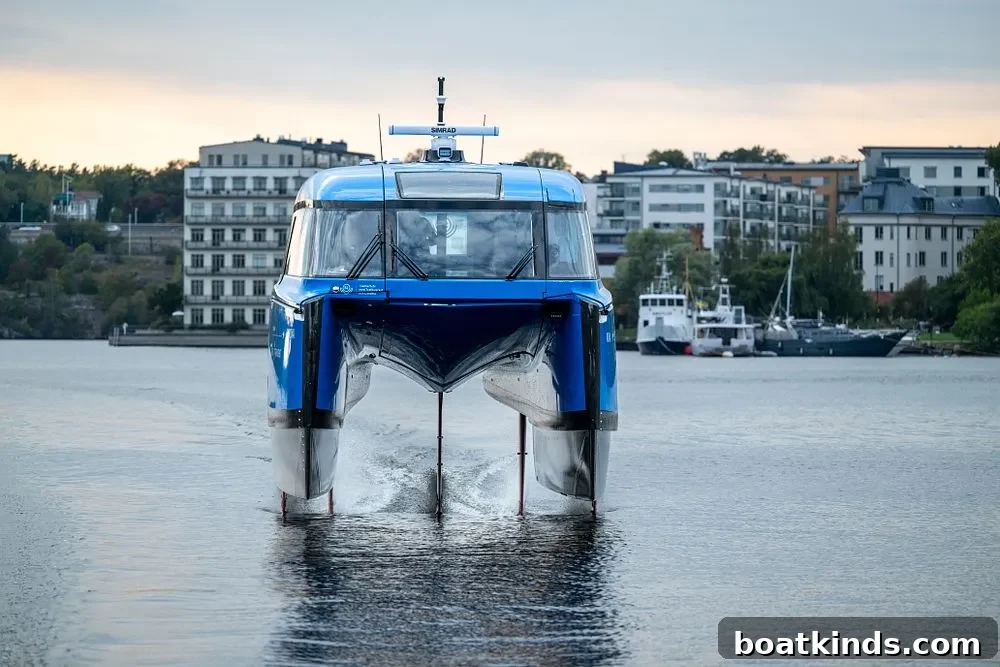
The Candela P-12 has already entered service on waterways in Stockholm, Sweden, demonstrating the viability of electric hydrofoiling ferries in cold-weather and high-demand environments. FlyTahoe’s deployment on Lake Tahoe aims to replicate those benefits locally: faster crossings, lower emissions, and reduced road congestion, all while preserving the lake’s scenic and environmental qualities.
As the project moves toward launch, residents and visitors can expect a modern, efficient alternative to driving that prioritizes speed, comfort, and sustainability. The P-12 represents a growing trend toward electrification and innovative hull designs in passenger transport, showing how new marine technologies can deliver practical advantages for both communities and ecosystems.