
The Seapiper 37 is the kind of boat that turns heads not simply because it’s pretty, but because it’s different. Originally introduced as the Seapiper 35, the model has generated a lot of online chatter—helped along by the builder’s 2023 merger with Seattle Yachts, a dealer and brokerage with operations in the United States and Canada. For the first time, the Seapiper is being produced domestically, backed by a broader broker network and U.S.-based manufacturing expertise.
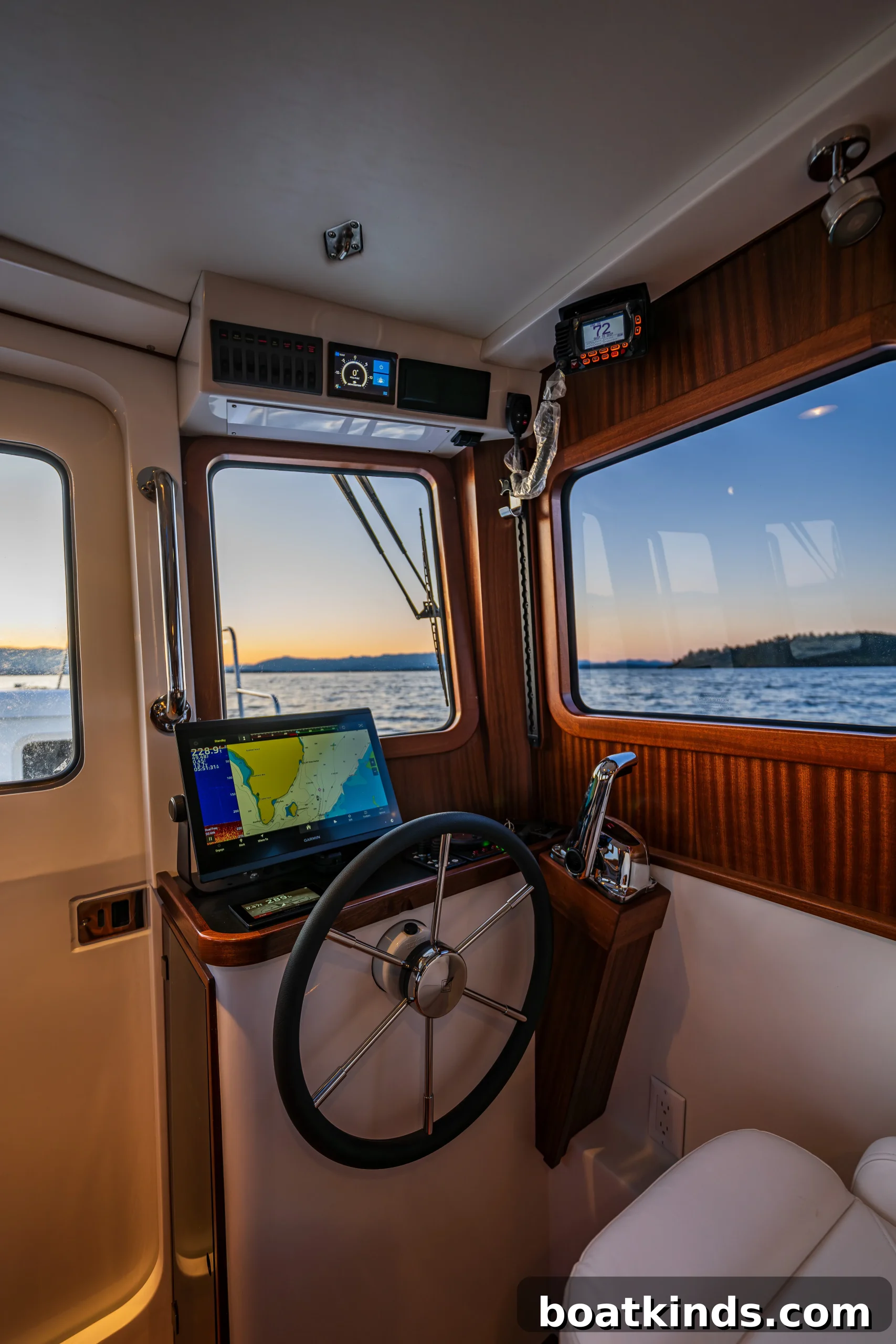
The Seapiper’s story began as a passion project from designer and CAD engineer Ritzo Muntinga, who started developing the concept around 2010. Muntinga has long been drawn to self-contained living systems—log cabins being an example—and he set out to create a cruising boat that felt similarly compact, practical, and easy to maintain. A defining feature of his plan was a large sliding door that separates the center cockpit from the helm. With the door open, the pilothouse and cockpit join into one social space where skipper and guests can mingle.
Drawing on his Dutch roots, Muntinga describes the Seapiper as a scaled-down trawler—efficient, rugged, and straightforward. He publicly shared detailed CAD renderings on his website long before a production hull existed, using those visuals to explain every compartment and system. The aim was clear: build a trailerable, long-range passagemaker that was affordable, simple to run, and easy to repair by owners in remote locations. Accessibility of systems was a priority—Muntinga wanted experienced boaters to understand the layout and operation within minutes.
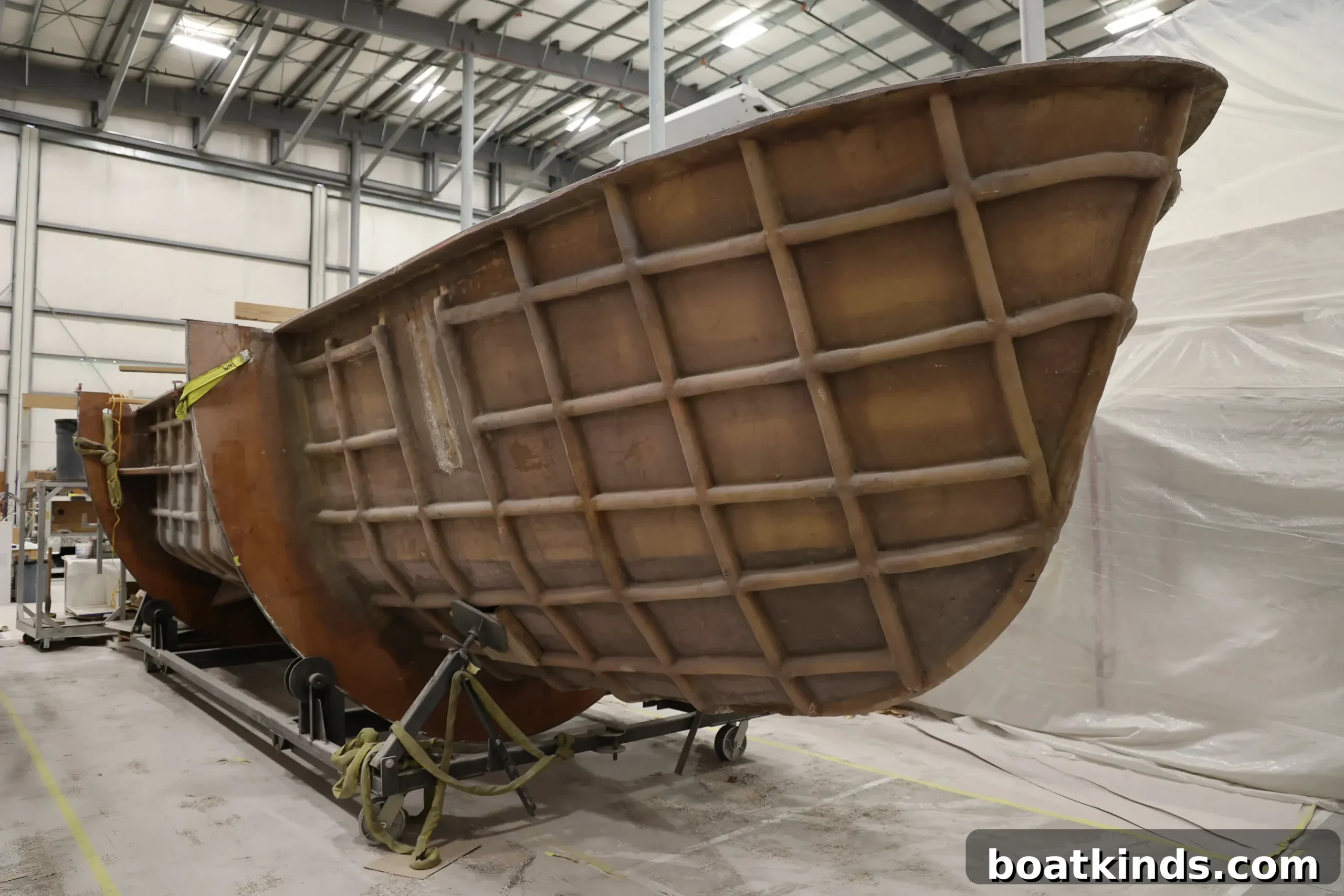
The boat first reached the water as the Seapiper 35. It is relatively heavy for its size—roughly 13,000 pounds dry, with a displacement near 17,000 pounds—and retains a narrow 8-foot, 6-inch beam. Muntinga nicknamed it the “highway needle” for its trailerable profile. Early tooling began in California, but the initial hulls were built in China due to financial constraints. The first 14 hulls came from that facility before pandemic-related supply-chain problems prompted Muntinga to seek U.S.-based production. That search led to Seattle Yachts and a new chapter for the design.
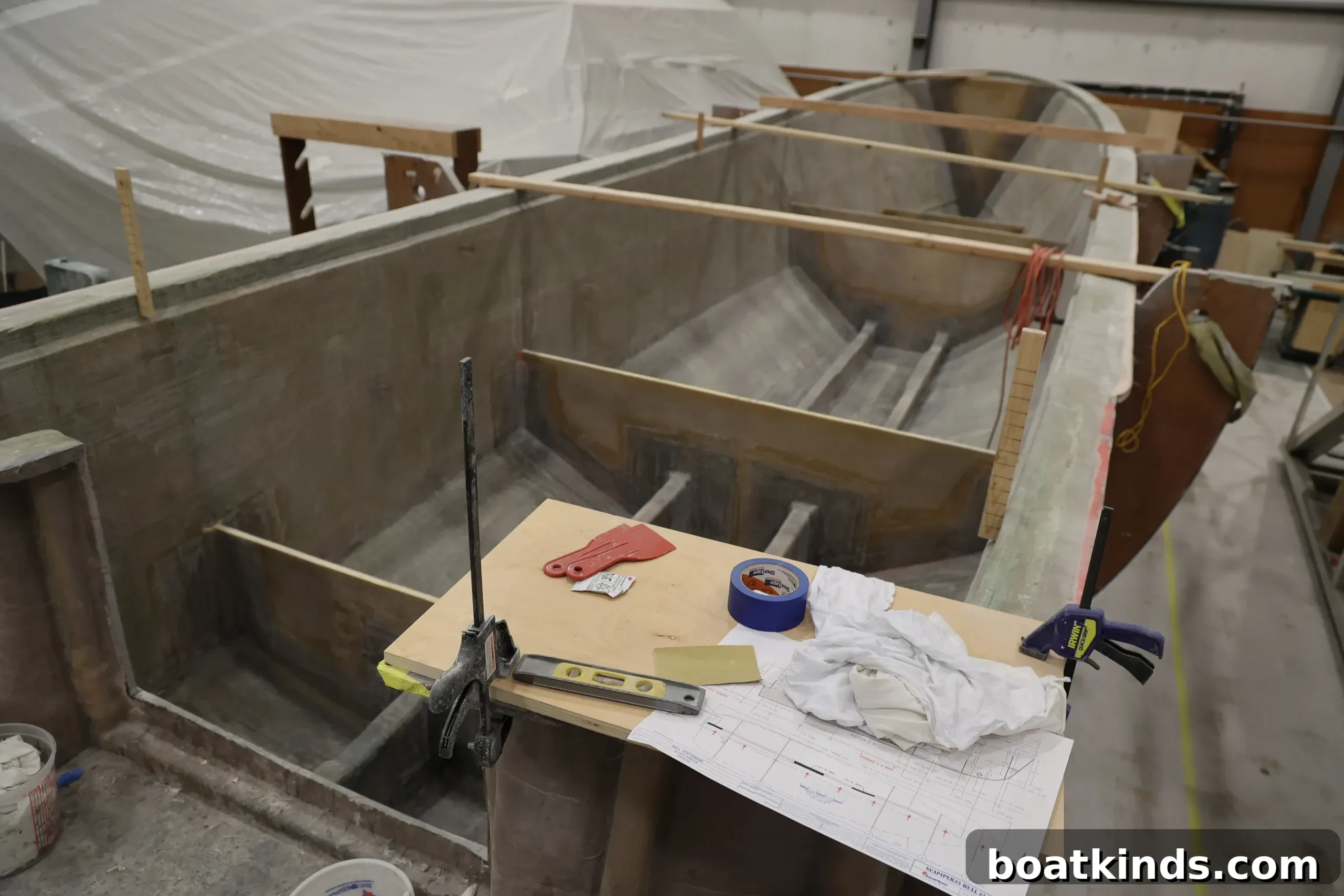
Linn Jennings, Seattle Yachts’ director of manufacturing operations at the Anacortes yard, brings decades of volume-production experience. His first impression of the Seapiper was that it tried to be many things at once, but that view changed once he stepped aboard. He found the center cockpit layout and overall versatility compelling: a boat that can comfortably serve as a couple’s cruiser, travel long distances efficiently, and handle a wide variety of cruising grounds—from higher-latitude adventures to tropical waters.
The center cockpit concept is essentially a rearrangement of familiar spaces—the wheelhouse and salon shifted aft, with the primary entertainment and cockpit area positioned between the accommodations. That configuration delivers practical benefits: privacy, usable social space, and an arrangement that keeps systems accessible for maintenance. Seattle Yachts has refined production since taking on the model; hulls 15 and 16 were under construction during a factory visit, and tweaks such as revised water tank placement have already been made. Jennings believes the factory will be able to produce a new Seapiper 37 about every two months once the process is fully dialed in.
The Seapiper 37’s long, narrow hull yields fuel efficiency that appeals to owner-operators. Muntinga reports average consumption near one gallon per hour at a cruising speed of roughly 6.5 to 7 knots. Seattle Yachts’ infusion resin layup for current production hulls should shave some weight compared with the original hand-laid fiberglass, further improving efficiency. The tradeoff for that slender profile is a tendency toward roll and tenderness in certain sea states—an issue common to many boats of similar length and beam. Muntinga notes the Seapiper’s low center of gravity and the option for a Seakeeper stabilizer as mitigations for roll.
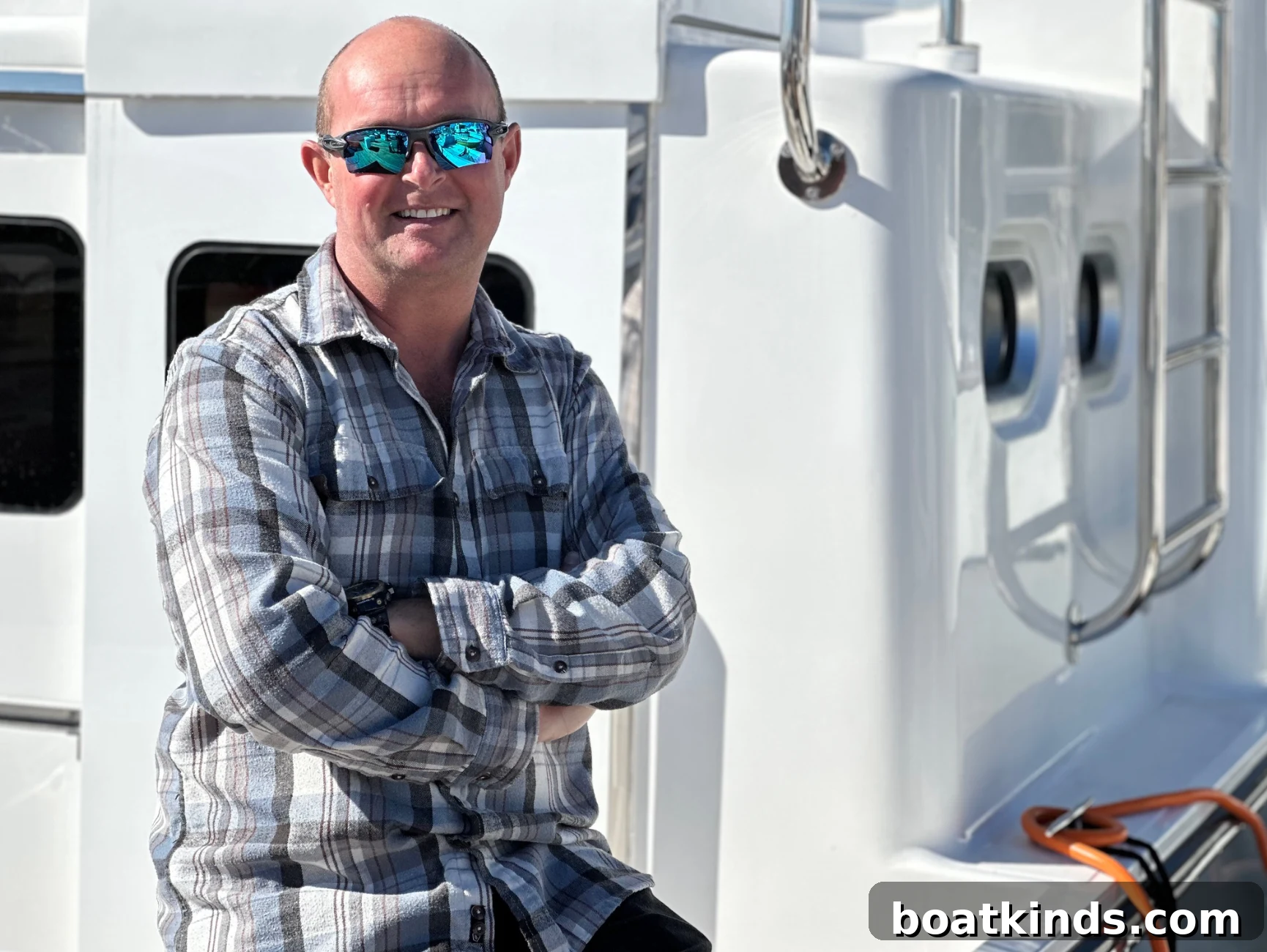
Owner-operator André Lay, who owns hull number 14 (named Cavendish), represents the kind of cruiser Muntinga envisioned. Lay first connected with the design through the renderings and later inspected a finished boat in 2019. He chose the Seapiper as a practical, economical alternative to pricier traditional trawlers when planning ambitious cruising. His goal is a circumnavigation of North America that includes passage through the increasingly navigable Northwest Passage, a route that appeals to Lay’s interest in high-latitude exploration.
After departing San Francisco Bay in October 2023 and making a run to Puerto Vallarta, Lay reported strong satisfaction with the boat’s performance. He finds a comfortable cruising RPM between 1,600 and 1,900—where noise, comfort, and fuel economy align—and estimates an average speed around six knots. On a roughly 500-nautical-mile solo leg from southern Baja to Puerto Vallarta, the Seapiper proved capable of multiday passages while allowing Lay enough rest. He praised the boat’s reliability and onboard systems, though he noted difficulty in following seas and very windy, downwind conditions that made hand-steering tiring—challenges that reflect the compromises inherent in the long, narrow hull form.
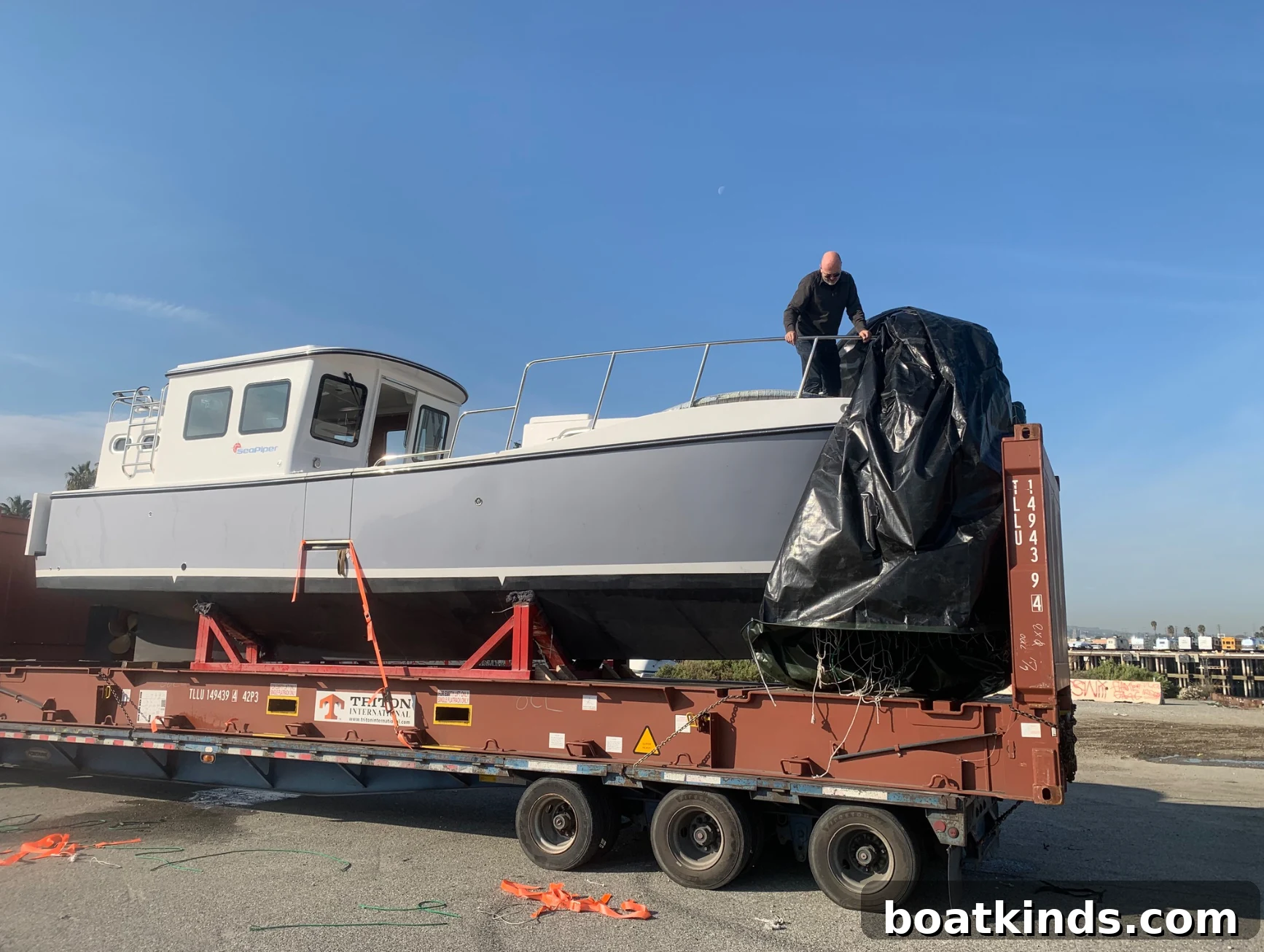
Lay is a vocal proponent of a Seakeeper stabilizer, which he installed. He describes it as transformative and nearly essential for comfort in rolling conditions, while acknowledging the added cost. His experience underlines the trade-offs: the Seapiper’s narrow beam delivers efficiency and range, while a wider boat would likely be steadier in some seas.
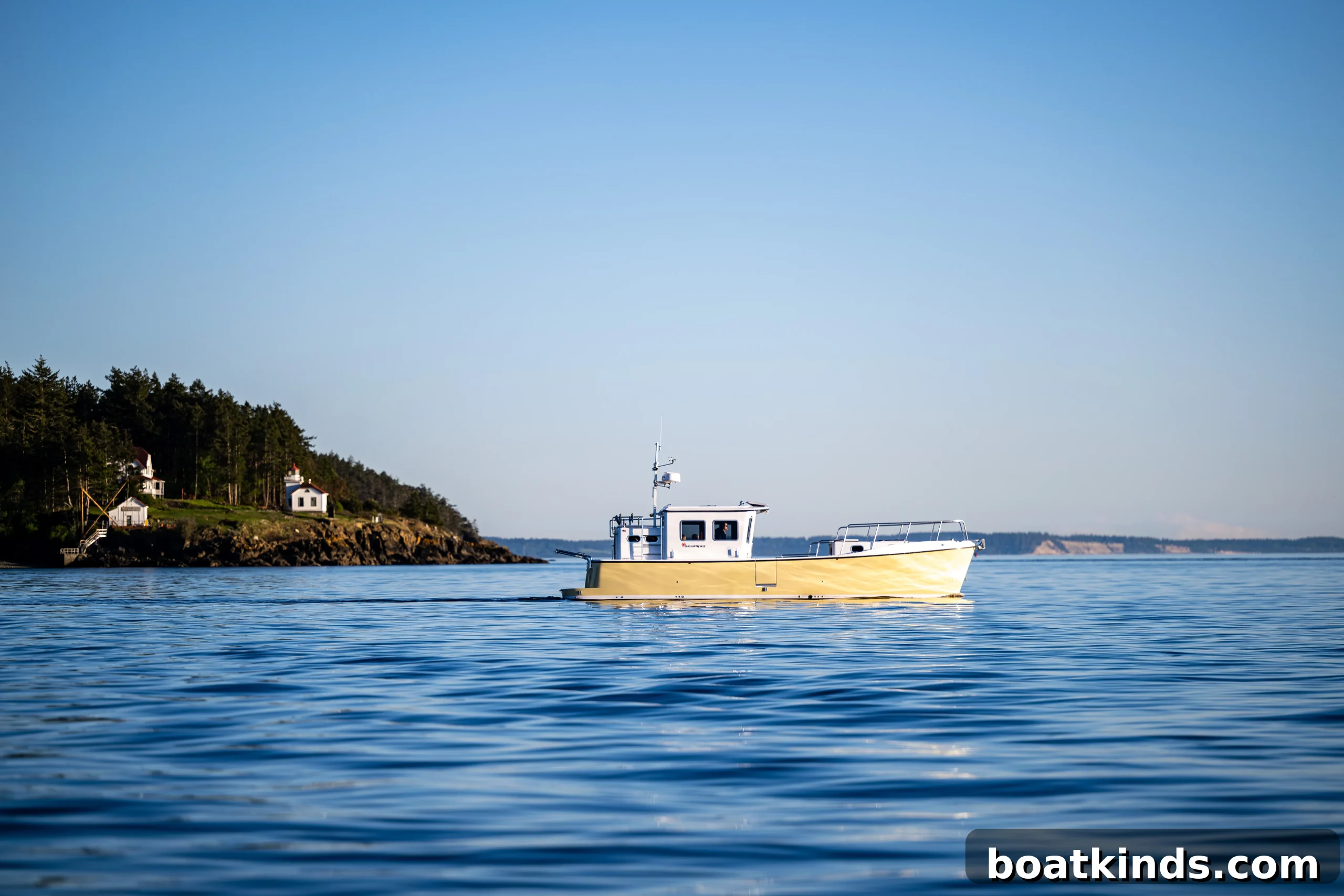
In short, the Seapiper 37 is a distinctive, thoughtfully designed trailerable passagemaker aimed at owners who prioritize simplicity, efficiency, and long-range capability. It’s not a perfect boat—no boat is—but it offers a compelling set of compromises for cruisers who want to go far without the complexity or cost of larger traditional trawlers.
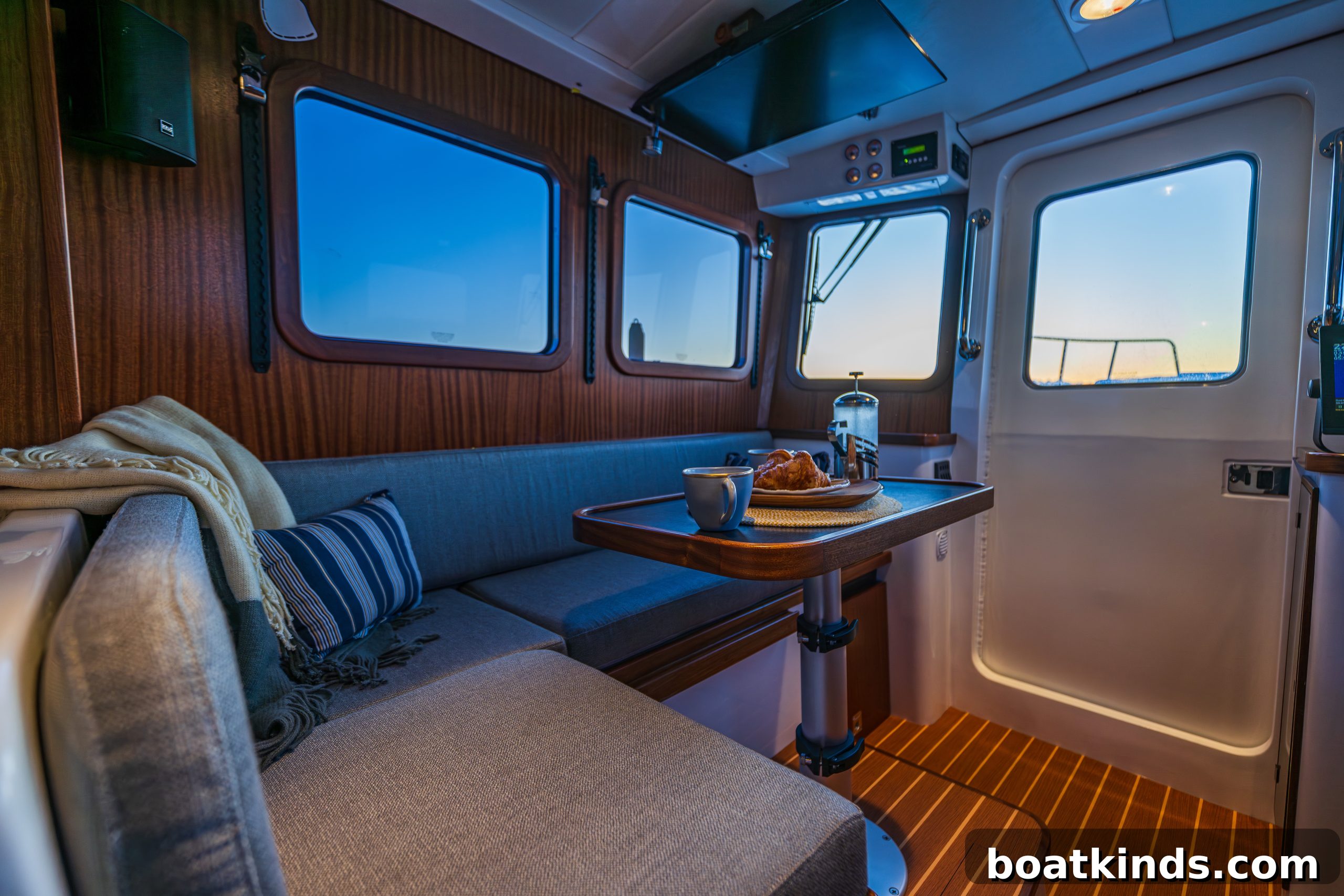
All in all, owners like Lay report a rewarding experience: a capable, efficient platform for extended cruising, with sensible systems and the option to add stabilization for increased comfort.
Specifications
LOA: 37’2”
Beam: 8’6”
Draft: 2’11”
Displacement: 17,000 lbs.
Fuel Capacity: 200 gals.
Water Capacity: 102 gals.
This article was originally published in the July 2024 issue.