
Discovery of the Submarine Defender in Long Island Sound
In 1907, millionaire engineer and designer Simon Lake built a submarine initially intended to win a U.S. Navy contract. Although Lake did not secure the Navy contract, he redesigned the vessel and renamed her Defender. The submarine was never sold, remained in Bridgeport, Connecticut, and was ultimately scuttled in 1946.
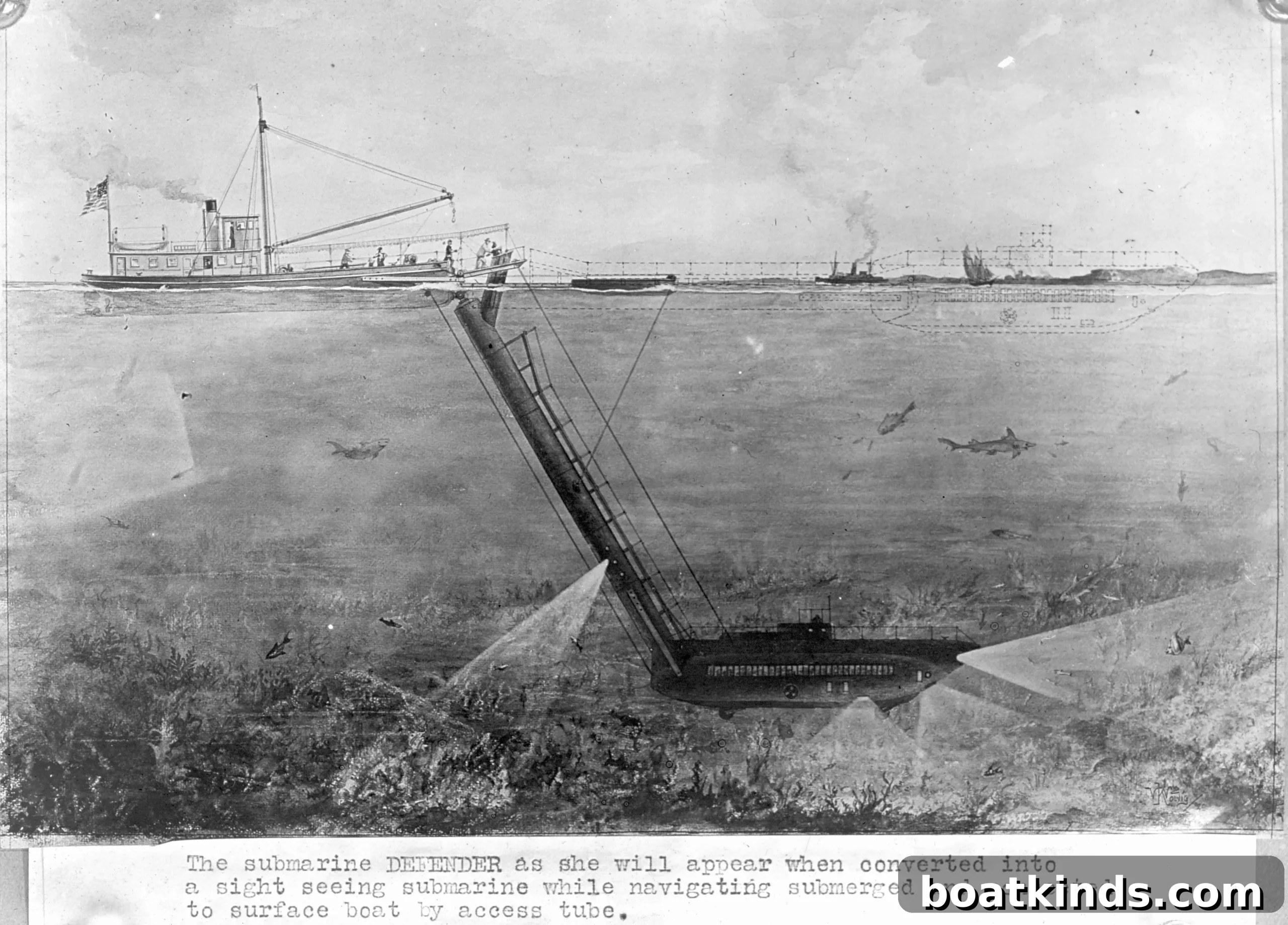
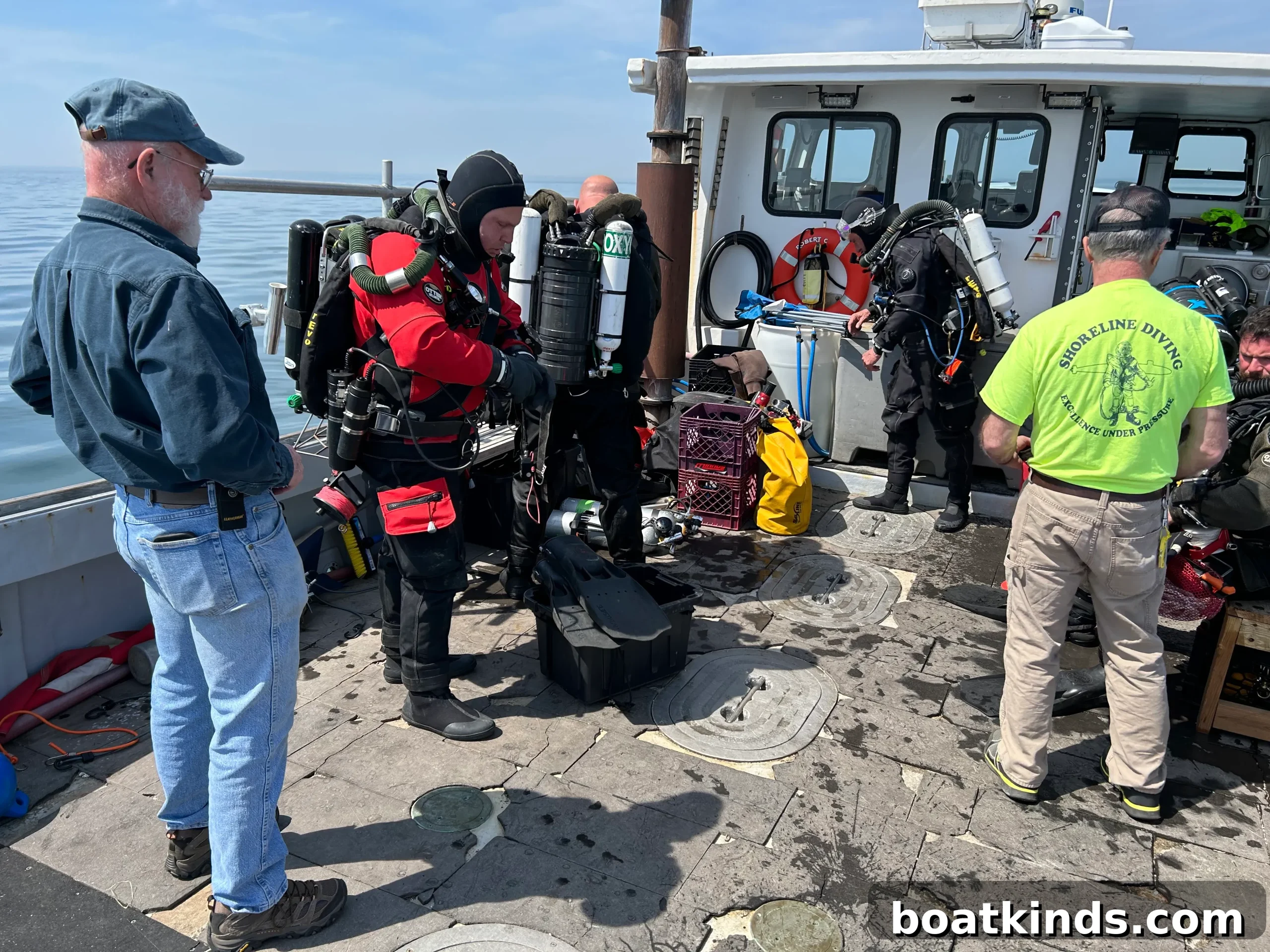
This month, a team from Shoreline Diving Services located the long-lost submarine in Long Island Sound. The search was led by the company’s owner, Richard Simon, who grew up fascinated by Lake’s inventions and knew the waters of Long Island Sound well. The National Oceanic and Atmospheric Administration’s bathymetric survey had previously marked the wreck as “unidentified,” and Simon’s team used that survey data along with historical research to focus their search near Old Saybrook, Connecticut. After identifying a promising site, the team conducted dives to confirm whether the wreck matched the Defender.
On April 16, 2023, divers Steve Abbate and Joe Mazraani descended to the site and reported finding Defender largely intact at a depth of about 150 feet. Abbate described the moment as a highlight of his diving career, saying, “It is such a thrill to finally put our hands on this important piece of maritime history.” He also noted the personal significance of the dive, which took place the day before his sixtieth birthday, calling it “an incredible birthday present.”
The recovery team emphasized the historical value of identifying and documenting the wreck. Defender represents a chapter in early submarine development and the story of designers who pushed naval engineering forward in the early 20th century. While this wreck has rested largely undisturbed for decades, its discovery gives researchers, historians, and the public an opportunity to study a tangible example of maritime innovation from that era.
Shoreline Diving Services’ identification relied on combining archival research, bathymetric survey data, and targeted dives. NOAA’s seafloor mapping played an important role by providing locations of unidentified seafloor features that merited closer inspection. Once the wreck was located, careful diving operations allowed the team to verify details of the vessel’s design and condition in situ without disturbing the site.
Discoveries like the Defender’s wreck help to illuminate the human stories behind technological advances. Simon Lake’s work inspired many who followed developments in submersible craft, and the discovery reconnects that legacy to a specific place in Long Island Sound. For local communities and maritime historians, identifying this wreck brings a measure of closure and preserves a physical reminder of the craftsmanship and ambition of the early submarine pioneers.
The find has attracted attention from national and regional media outlets, which have reported on the identification and the significance of the wreck. Researchers and divers involved in the project are continuing documentation and assessment to determine the appropriate next steps for preservation, recording, and public interpretation in accordance with legal and historical best practices.