The Western Flyer: Rescuing a Literary and Scientific Icon
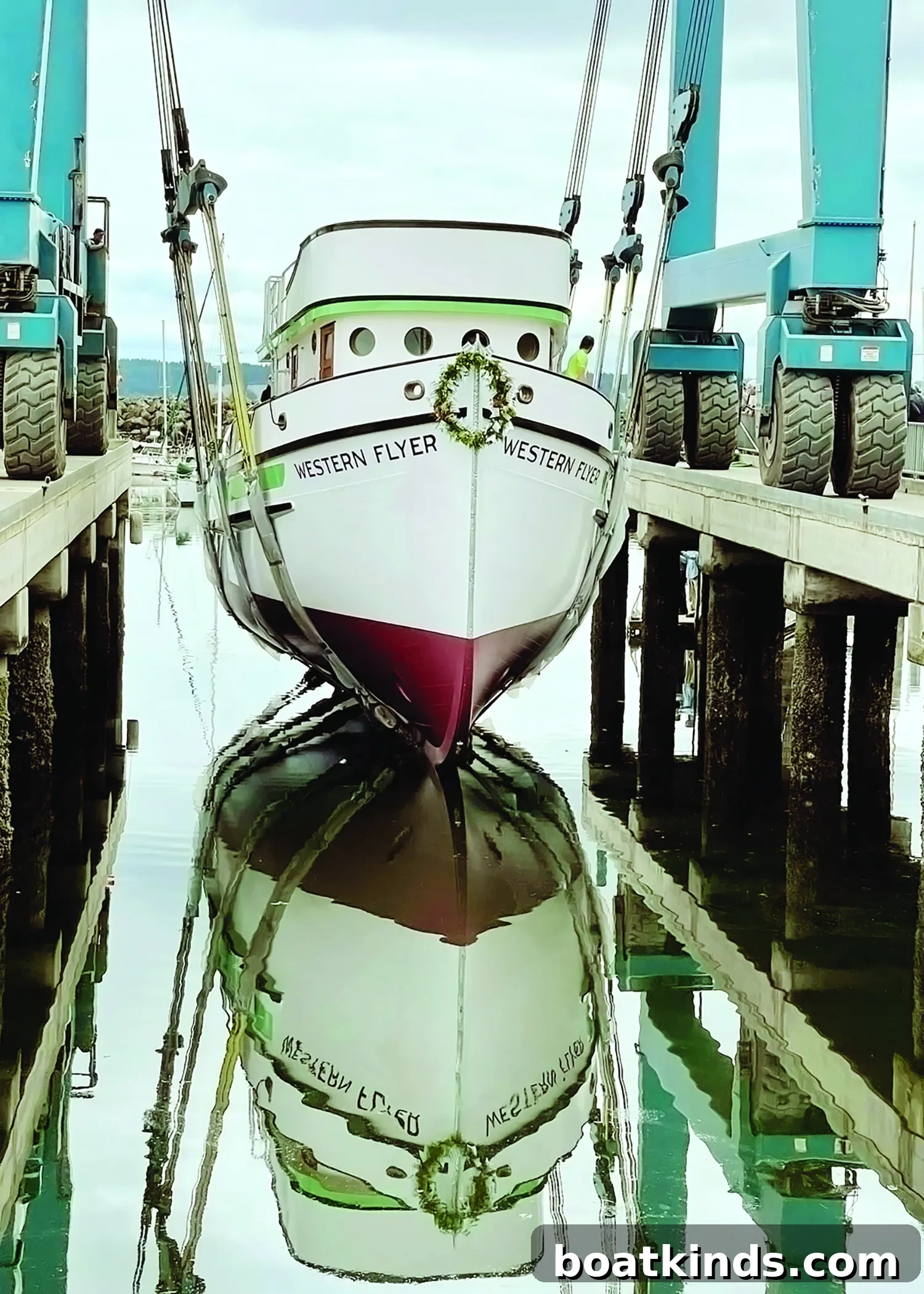
What appeared at first glance to be nothing more than an abandoned, deteriorating workboat on Swinomish Indian Reservation land in Washington state turned out to be a vessel with deep literary and scientific significance. The 76-foot boat, known to many as Gemini and long showing peeling paint and holes in its hull, was in fact the historic Western Flyer. In 1940, author John Steinbeck and marine biologist Ed Ricketts chartered that very vessel for an exploratory trip into the Gulf of California. The notes and observations from that voyage were published as The Log from the Sea of Cortez, work that contributed to Steinbeck’s later recognition with the 1962 Nobel Prize in Literature.
When geologist John Gregg recognized the boat’s identity, he saw more than rust and decay—he saw potential. Gregg purchased the Western Flyer for nearly $1 million and committed to restoring the vessel, overseeing its revival over the following eight years. His aim was not to create a static museum piece but to bring the boat back to active service as a research vessel and education platform for the coastal waters off California, honoring its original spirit of scientific inquiry and exploration.
Restoring a historic workboat like the Western Flyer posed complex challenges. The hull showed extensive wear, manifested by holes and flaking paint, and the whole structure demanded careful assessment and skilled workmanship. Recognizing the level of craft required, Gregg engaged the Port Townsend Shipwrights Co-Op in June 2015 to lead and execute the restoration. The co-op’s traditional shipbuilding and repair expertise made it the right partner for a project where historical fidelity and seaworthiness had to be balanced with modern operational needs.
Part of the restoration included significant mechanical and propulsion upgrades. The vessel originally ran with a 160-horsepower Atlas engine, consistent with the technology of its era. To meet contemporary research and operational needs, the Western Flyer’s powerplant was replaced with a 425-horsepower John Deere engine. That new engine is configured with a Transfluid unit that enables operators to switch between diesel and electric propulsion, offering greater flexibility, efficiency, and lower emissions when required. This modernization was undertaken without obscuring the boat’s identity or its historical role as a platform for scientific observation.
The restored Western Flyer returned to the water in June, when family members connected to the boat’s original builder took part in the rechristening ceremony. Martin Petrich, the builder’s great-grandson, was present to honor his family’s legacy. In a nod to cultural and maritime traditions, Croatian lavender and fossilized shark teeth—tokens representing the Petrich family’s heritage—were cast into the water during the ceremony. This symbolic act linked past and present, craftsmanship and conservation, and acknowledged the boat’s ongoing role as a vessel for human curiosity.
For Gregg, the project was always about more than preservation for its own sake. He emphasizes that Steinbeck and Ricketts were forward-looking individuals who valued living inquiry over dusty memorials. Restoring the Western Flyer as a functional vessel aligns with that philosophy: a boat that can continue to earn its keep by carrying out research, supporting education, and engaging new generations with marine science and maritime history.
Today, the Western Flyer stands as an example of how careful restoration, skilled shipwright work, and thoughtful modernization can revive a historic vessel for contemporary use. As a research vessel and educational platform, it will allow scientists, students, and the public to retrace routes of earlier exploration while using modern tools and propulsion systems. The project demonstrates how maritime heritage can be preserved in ways that keep original purpose alive—linking literary history, scientific exploration, and practical functionality in one storied hull.
—Lidia Goldberg
This article was originally published in the April 2023 issue.