
Solo Skipper Ian Herbert-Jones Signals for Rescue After Dismasting in South Atlantic Storm
British solo skipper Ian Herbert-Jones activated his emergency position-indicating radio beacon (EPIRB) after his yacht was dismasted during a severe South Atlantic storm. According to reports, the vessel endured wind gusts exceeding 80 knots and waves up to 25 feet, which left the Tradewind 35 cutter Puffin badly damaged and its skipper injured. Herbert-Jones’ distress signal was transmitted on April 10, and an international response to locate and assist him is now underway.
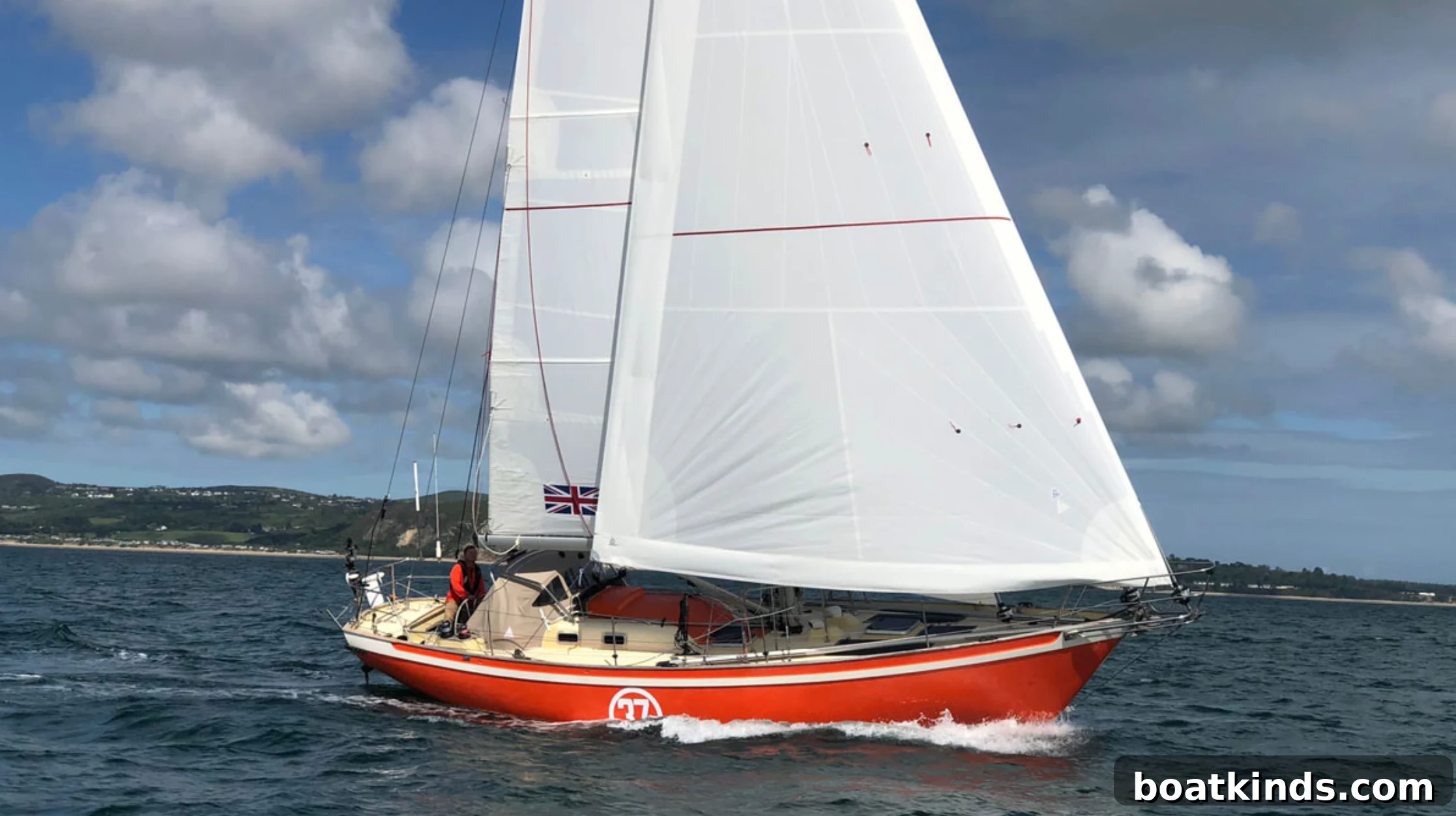
The dismasting has left Puffin with significant rigging and spars on deck, and the immediate priority for the solo sailor has been to secure or cut away the damaged rig to prevent further structural damage to the hull. Herbert-Jones has been working to remove the compromised rigging, but the combination of ongoing heavy weather and injuries to his shoulder and back have made the task extremely difficult and dangerous. In such circumstances, uncontrolled rigging can puncture or “hole” a hull, allowing water ingress that can quickly escalate a situation.
An EPIRB activation sends an automated distress alert via satellite to search-and-rescue authorities, providing an approximate position so rescue coordination centers can dispatch help. That automated signal is what alerted maritime rescue authorities to Herbert-Jones’ situation on April 10. An EPIRB is a critical safety device for offshore sailors, especially those undertaking long solo passages, because it can trigger a coordinated response even when direct radio or phone communication is impossible.
The Taiwanese fishing vessel Zi Da Wang has altered course and is steaming toward Puffin, reported to be roughly 90 miles away, and is expected to attempt a rescue when conditions permit. Commercial and fishing vessels often assist in offshore rescues when they are the nearest capable asset, coordinating with maritime rescue services and following instructions from on-scene coordinators. The presence of a nearby vessel increases the chances of a successful outcome, though long-range transfers at sea remain hazardous, particularly in severe weather and at night.
Dismasting at sea is among the most serious emergencies a small cruising vessel can face. Without a mast, a boat loses propulsion options and often becomes difficult to steer. The wreckage can also damage decks, weaken the hull, or tangle in propellers and rudders. For a single-handed sailor, the physical demand of securing heavy spars and tangled rigging in high seas can be overwhelming, especially when injured. The decision to cut away parts of the rig is often made to reduce the risk of the mast or rig dragging and breaching the hull, but the procedure itself can be perilous.
Herbert-Jones’ situation highlights both the risks of ocean racing and the importance of emergency preparedness. Proper stowage of tools, availability of cutting gear, and robust communication equipment are all essential for solo sailors. In this case, the EPIRB provided the vital alert needed to mobilize assistance when self-rescue efforts were hampered by weather and injury.
Maritime rescue operations typically involve coordination between national rescue coordination centers, nearby commercial or fishing vessels, and sometimes aircraft assets if weather and distance allow. The priority is the safety of the person in distress, and rescuers assess environmental conditions, the condition of the casualty, and the capabilities of responding vessels before committing to a recovery. Given the severity of the reported conditions, any approach to Puffin will be carefully managed to minimize risk to both the lone sailor and rescuers.
At the time of the distress signal, Herbert-Jones was aboard Puffin, a Tradewind 35 cutter. While details remain limited, race organizers and maritime authorities are expected to issue further updates as the rescue mission progresses and as on-scene reports become available. The international sailing community and supporters will be closely watching for news of his condition and the outcome of the rescue effort.
Further updates are expected from race organizers and official maritime rescue authorities as the situation develops. The incident serves as a reminder of the formidable conditions the South Atlantic can produce and the vital role of emergency equipment and coordinated search-and-rescue responses in offshore sailing.