
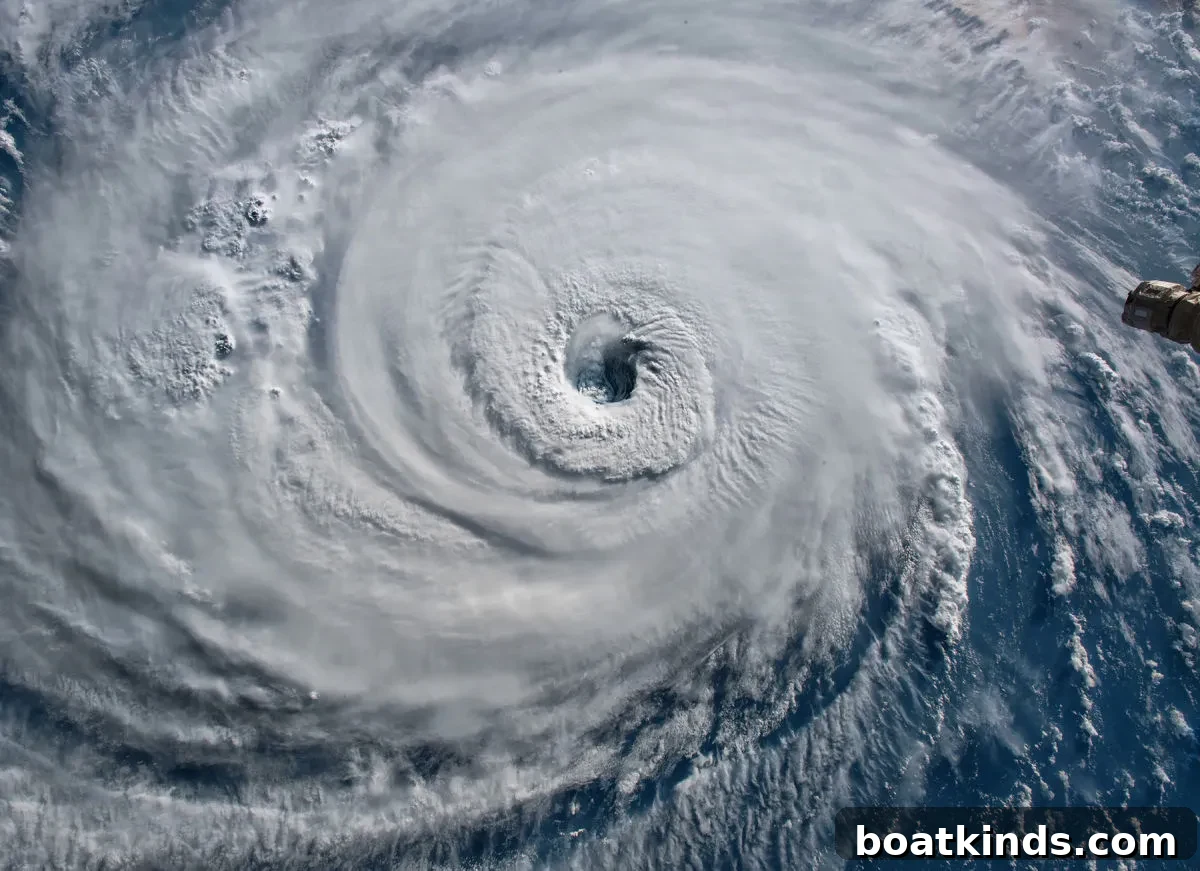
Boat Owners Prepare as Hurricane Ian Threatens the Northeast Coast
Boat owners along the Northeast coastline have already begun preparing as Hurricane Ian pushes up the eastern seaboard. In places such as Hingham Harbor, Massachusetts, several boaters chose to remove their vessels from the water, citing concerns about high winds, heavy rain and the potential for damaging surge and debris. While the storm is expected to make landfall well to the south, meteorologists emphasize that its path can change; that uncertainty makes preparation essential for anyone with a boat in exposed waters.
Whether your boat is hauled out, anchored, moored or docked, taking the right steps now can limit damage and reduce stress if conditions deteriorate. Below is a practical, consolidated guide to hurricane preparation for boat owners, drawing on established recommendations from marine organizations and experienced mariners.
Decide Where Your Boat Should Be
One of the first decisions is whether to pull the boat from the water or leave it in. Hauling a vessel ashore or into a well-protected yard is often the safest option for smaller boats and trailerable craft, but that choice depends on available storage, the timing of the storm and your marina’s policies. For boats that remain in the water, consider the shelter provided by your marina, the depth and speed of currents, and the potential for floating debris. When in doubt, consult your marina manager and review your insurance requirements.
Secure Proper Mooring and Dock Lines
If you leave a boat at a dock or on a mooring, upgrade and double up your lines where appropriate. Use chafe protection, adjust lines to allow for tidal changes, and employ spring lines to minimize fore-and-aft movement. Consider removing canvas covers, biminis and other items that can act like sails in high winds. For larger vessels on moorings, ensure the mooring tackle is rated for hurricane-force conditions and inspect shackles, swivels and lines ahead of time.
Anchoring Strategy
Anchoring can be effective in wide, deep harbors where there is room to swing, but it requires correctly sized anchors, fresh rodes and careful placement. Use heavy chains near the anchor for added holding power, and where possible set multiple anchors at angles to reduce the chance of dragging. Be conservative about scope—more scope improves holding—and check local regulations regarding anchor fields and restricted areas.
Protect Systems and Equipment
Secure or remove loose gear, electronics, sails and fuel canisters. Drain water systems, lock engine compartments and winterize if necessary. Turn off batteries that won’t be needed and consider removing batteries and electronics to a safe, dry location. Fasten all hatches and companionways, and plug vents if appropriate to prevent flooding from waves and spray.
Check Insurance and Marina Policies
Your marina’s policies and your insurance coverage can affect the decisions you make. Confirm that your policy covers hurricane-related damage, including sinkings and collisions, and understand any requirements for vessel relocation or preparation. Contact your insurer and marina well before the storm arrives to understand obligations and available services such as haul-outs or additional dock lines supplied by the marina.
Prepare a Written and Photographic Inventory
Document your vessel’s condition with dated photographs and a written inventory of valuable equipment. This will streamline any insurance claims and provide proof of pre-storm condition. Keep copies of registration, insurance documents and emergency contact numbers in a waterproof container ashore and consider storing digital copies in the cloud.
Follow Established Guidance
Several marine organizations publish seasonal and storm-specific checklists and best practices for boat owners. Reviewing guidance from reputable sources—from boating associations to regional maritime publications—can help you build a comprehensive storm plan tailored to your boat and location. Start planning early, and use checklists to make sure no critical item is overlooked.
Final Thought
As the Scout motto reminds us: Be prepared. Taking methodical steps to protect your vessel, reviewing your insurance and marina arrangements, and acting early will reduce the risk of damage and help ensure you and your boat weather the storm as safely as possible.