
Photos by Onne van der Wal
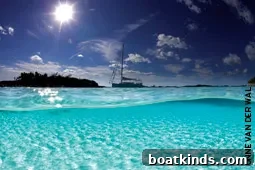
Warm breezes, easy smiles, rum punches and steady reggae—these are the familiar comforts that draw sailors and travelers to island life. Yet beyond the music and hospitality, it is the water itself that exerts the strongest pull. The shallow bays, the rippling turquoise, the mosaics of sand and reef—all of it suggests a slower pace and a different set of priorities: time to breathe, time to explore, and a chance to trade the treadmill of daily routine for sun, salt and quiet reflection. The island mantra—“Don’t worry, don’t hurry, take it easy”—captures that promise of relief and restoration.
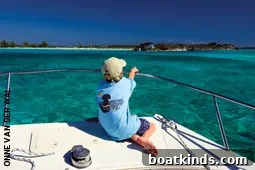
As Ernest Hemingway wrote in Islands in the Stream: “When you walked out into it there was just the green light of the water over that floury white sand, and you could see the shadow of any big fish a long time before he could ever come in close to the beach.” That description, equal parts visual and tactile, sums up why thousands of cruisers and day sailors choose these waters: clarity that reveals life beneath the surface, and an intimacy with marine creatures that feels immediate and personal.

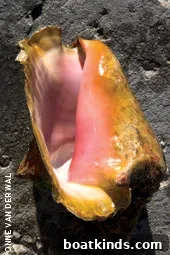
From above, the scene is a patchwork—shallow flats of pale sand, darker coral heads, channels that thread the reefs, and deeper blue lanes where gusts and currents run. Beneath, seagrass beds sway, conchs and urchins dot the bottom, and turtles and rays glide across the soft sediments. For sailors, the landscape of reef and sand defines the possibilities for anchoring, snorkeling, fishing and simply drifting in calm water while the world slows down.
An anchorage is more than a place to set a hook: it is a temporary home, a basecamp for exploration, and a social space where cruisers trade tips and stories. Good anchorages offer shelter from prevailing winds and a clear holding bottom, but they also provide an opening to the local rhythm—dinghies and paddleboards launch, reef-safe sunscreen is applied, and neighbors arrive with a loaf of bread or an invitation to a sunset raft-up. The best ones strike a balance: peaceful enough for rest, yet welcoming enough for shared conversation and new friendships.
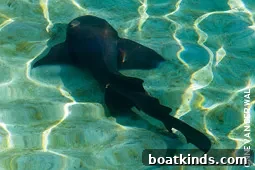
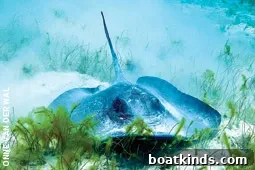
Beyond the secure anchoring spot, there are endless options for how to spend a day. Sail a short distance to a shallow lagoon and swim among schools of small fish; snorkel along a fringing reef and watch the riot of color in the corals; drift over a flat and marvel at the shadows cast by cruising rays; try a hand at reef fishing or simply enjoy a long lunch on deck. Sometimes the best choice is to do nothing at all—sit with a book, feel the sun on your skin, listen to the movement of water and let the mind untangle.
Good anchoring etiquette and environmental care matter here: choose sandy, non-living bottoms when possible, avoid anchoring on coral, and follow local rules that protect fragile marine habitats. Respect for the place ensures that future visitors will find the same clarity, wildlife and quiet that inspire sailors now. The anchorage is a refuge from storms and noise, but it is also a responsibility—one that rewards restraint and thoughtful behavior.
Take your time. Sail into a shallow bay at midday and watch how light plays across the sand; wait for late afternoon to see long shadows sweep the flats. Let Hemingway’s words be a reminder: “Out across the flats the sand was bone white under the blue sky and small high clouds … made dark moving patches on the green water.” In those moments the sea offers both spectacle and solace—a living landscape that slows the pulse and widens perspective.
This article originally appeared on the Places pages of the March 2012 issue.