
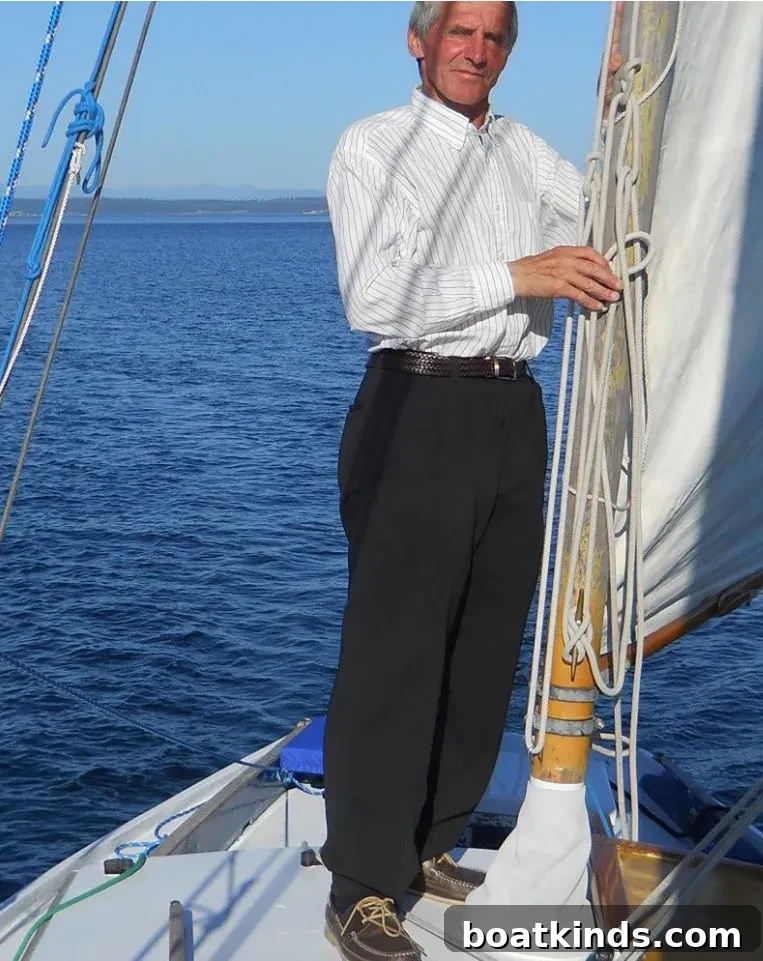
Rimas Meleshyus: The Sailor Who Prefers to Drift “Kon Tiki”-Style
Rimas Meleshyus has built a reputation not as a conventional sailor, but as a mariner who lets the sea take him. He describes his voyages as “Kon Tiki-style,” an allusion to drifting expeditions rather than the typical practice of steering a vessel under sail. That approach has resulted in multiple high-profile rescues over the years, underscoring both his stubborn independence and the very real dangers of leaving navigation largely to currents and chance.
Most recently he was rescued off Saipan after spending 137 days at sea following his departure from Hilo, Hawaii. That long passage ended when rescuers reached him, adding another chapter to a pattern of desperate calls for help and dramatic recoveries. Meleshyus’s history includes a number of earlier incidents: in 2016 he was rescued off Hawaii after 46 days adrift from California; in 2014 he was saved off American Samoa after drifting for months; and in 2012 he required rescue after grounding on a remote island during a 34-day passage across the Gulf of Alaska. Each event paints a consistent picture of a sailor who prefers to let the ocean decide his route.
Observers and reporters have often wondered why a skipper would repeatedly undertake voyages with such risky tactics. Meleshyus himself offered an insight into his mindset in a 2015 interview with the Whidbey News-Times: “I’m a very determined person,” he said. Determination can be an asset at sea, but in these cases it appears to have driven him to press on even when conditions and planning may have warranted a more cautious approach.
The recurring theme of drifting rather than actively sailing raises questions about seamanship, preparation, and readiness. Sailing traditionally relies on a combination of wind, weather forecasting, navigation skills, and an active effort to maintain course. Drifting, by contrast, reduces those controls, increasing dependence on ocean currents, weather systems, and luck. For the sailor who accepts that lack of control, the sea can be both a powerful ally and a relentless adversary.
Search and rescue efforts that follow these incidents place additional strain on maritime safety services and highlight how quickly routine voyages can become emergencies. Each rescue involves coordinating resources, locating a vessel in a vast ocean, and attending to the physical and psychological needs of those found. That the same man has been rescued repeatedly suggests both a resolve to take risks and a willingness of rescuers to respond when things go wrong.
At the heart of the story is a complex mix of personality, skill, and circumstance. Meleshyus’s repeated survival points to an ability to endure, to manage limited supplies and shipboard challenges, and to persevere until help arrives. His choice to drift “Kon Tiki-style” may be a personal philosophy or an experiment with alternative voyaging, but it also places him in situations that many professional sailors would avoid.
For readers interested in adventure at sea, Meleshyus’s experiences serve as both a compelling narrative and a cautionary tale. Voyaging without full command of the vessel’s course magnifies vulnerabilities: changing weather patterns, limited communication, and the possibility of running aground on remote shores. Those who admire the romance of drifting must also reckon with the practical realities of ocean travel and the responsibilities that come with choosing to go to sea.
Despite the risks, Meleshyus’s story continues to attract attention. His persistence and repeated returns from perilous journeys raise questions about why he keeps going and what lessons other mariners might draw from his experiences. Whether viewed as reckless or resilient, his pattern of drifting and subsequent rescues offers a vivid example of how human will interacts with the unpredictability of the ocean.
This article originally appeared in the December 2017 issue.