
Sixty years ago, most recreational sailors navigated with a paper chart, a magnetic compass, a sextant, a nautical almanac, parallel rulers, calipers, a sharp pencil and a reliable watch or chronometer. Safe passages required strong celestial navigation and dead-reckoning skills. Since then, advances in electronics and computing have fundamentally reshaped how boaters find their way.
The combined impact of three mid-20th-century breakthroughs—the transistor (1947), the satellite (1957) and the integrated circuit or microchip (1958)—accelerated the evolution of marine electronics. Over the decades that followed, new instruments, digital protocols and satellite systems transformed navigation from manual plotting to fully integrated electronic solutions.
This timeline highlights the key inventions, milestones and devices that changed recreational marine navigation, from compact radar and handheld GPS to multifunction displays (MFDs), AIS and smartphone charting.
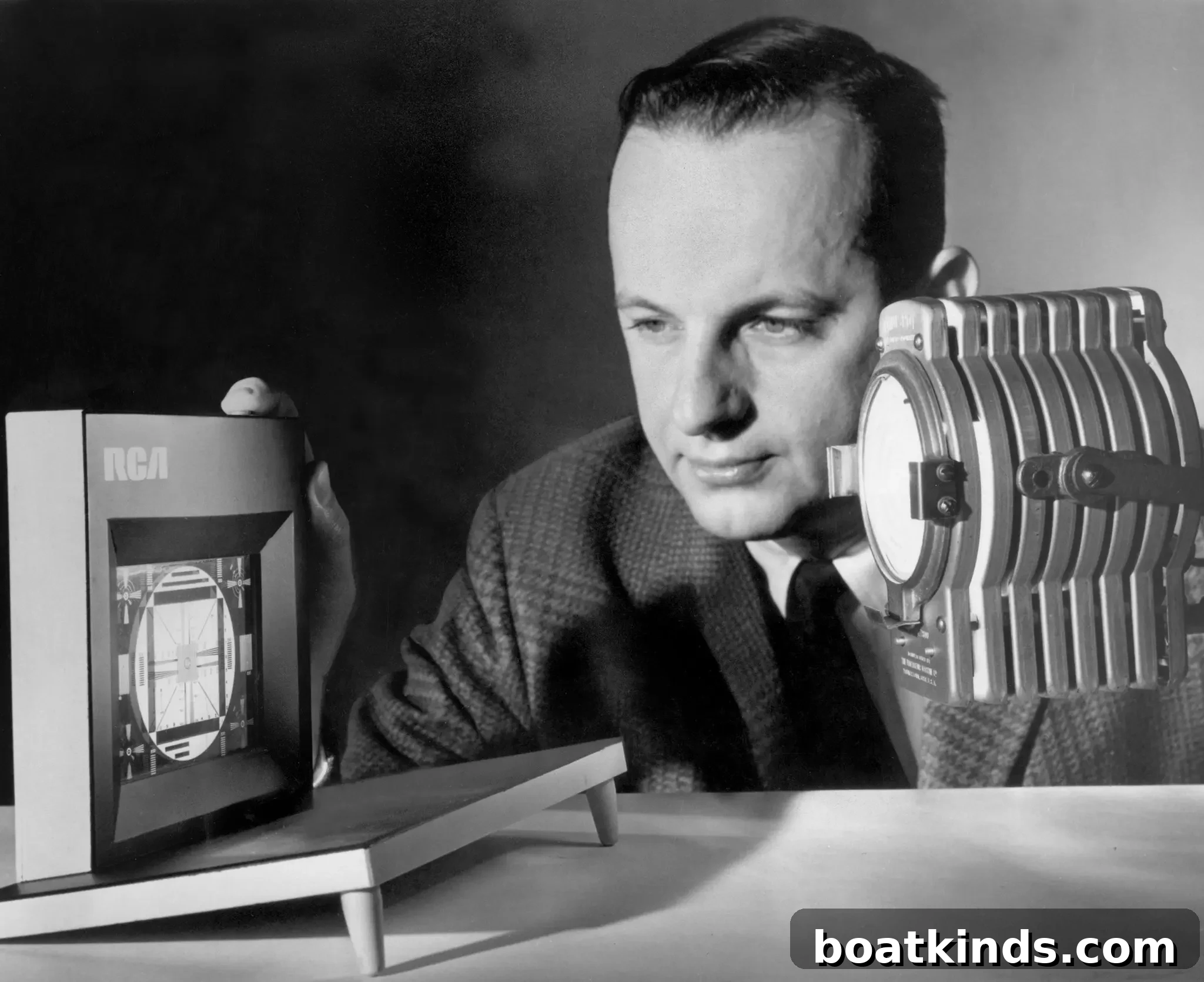
1964
George H. Heilmeier at RCA Laboratories invents the liquid-crystal display (LCD). This innovation launched a new generation of marine displays, eventually replacing bulkier cathode ray tubes (CRT) and paving the way for modern chartplotters and multifunction displays used on today’s vessels.
Early 1970s
Smaller, transistor-based radar systems become available to the recreational market. While radar technology originated for military use in the late 1930s, the early systems were too large for small craft. By the early 1970s, compact radars from makers like Furuno made collision avoidance and situational awareness practical for private boaters.
1973
The United States launches the GPS project. Around this time Furuno and other manufacturers begin developing early satellite-positioning receivers for maritime use, opening the way to global positioning for recreational navigation.
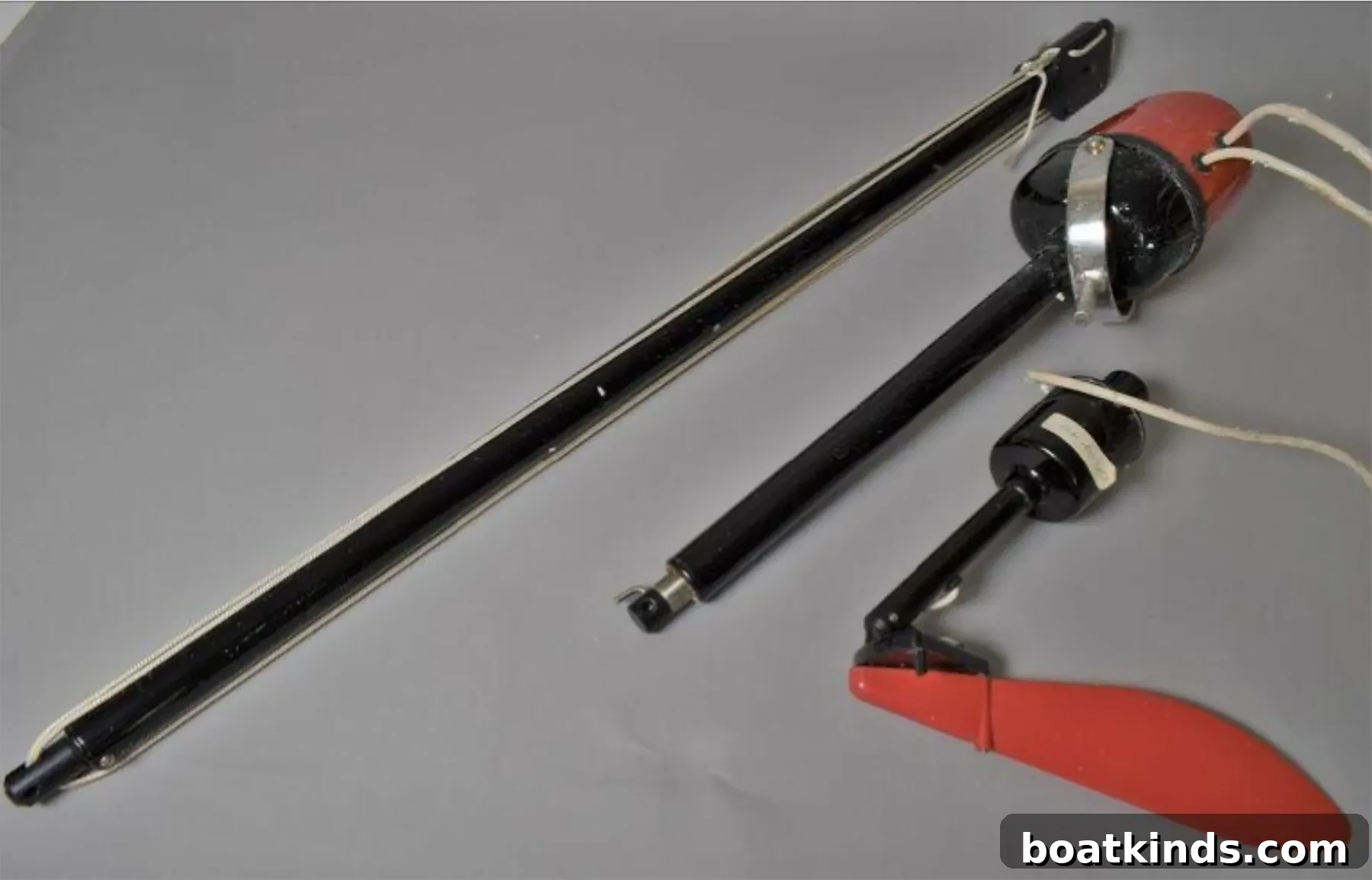
1974
Loran‑C is made available for civilian navigation. Loran, developed during World War II, used timed radio pulses from land-based stations to determine position. For several decades it was an important coastal navigation aid before satellite navigation took precedence.
1976
Derek Fawcett introduces the Autohelm, making autopilot technology accessible to leisure sailors. Fawcett’s cockpit-mounted, 12‑volt hydraulic systems automated tiller control and reduced helmsman workload. Later, autopilots would integrate with GPS to steer automatically along programmed waypoints.

1982
Inspired by a fictional in-dash navigation system, Italian naval architect Giuseppe Carnevali develops the first workable electronic chartplotter. This innovation merges position-fixing with on-screen charts and directly influenced modern electronic charting systems.
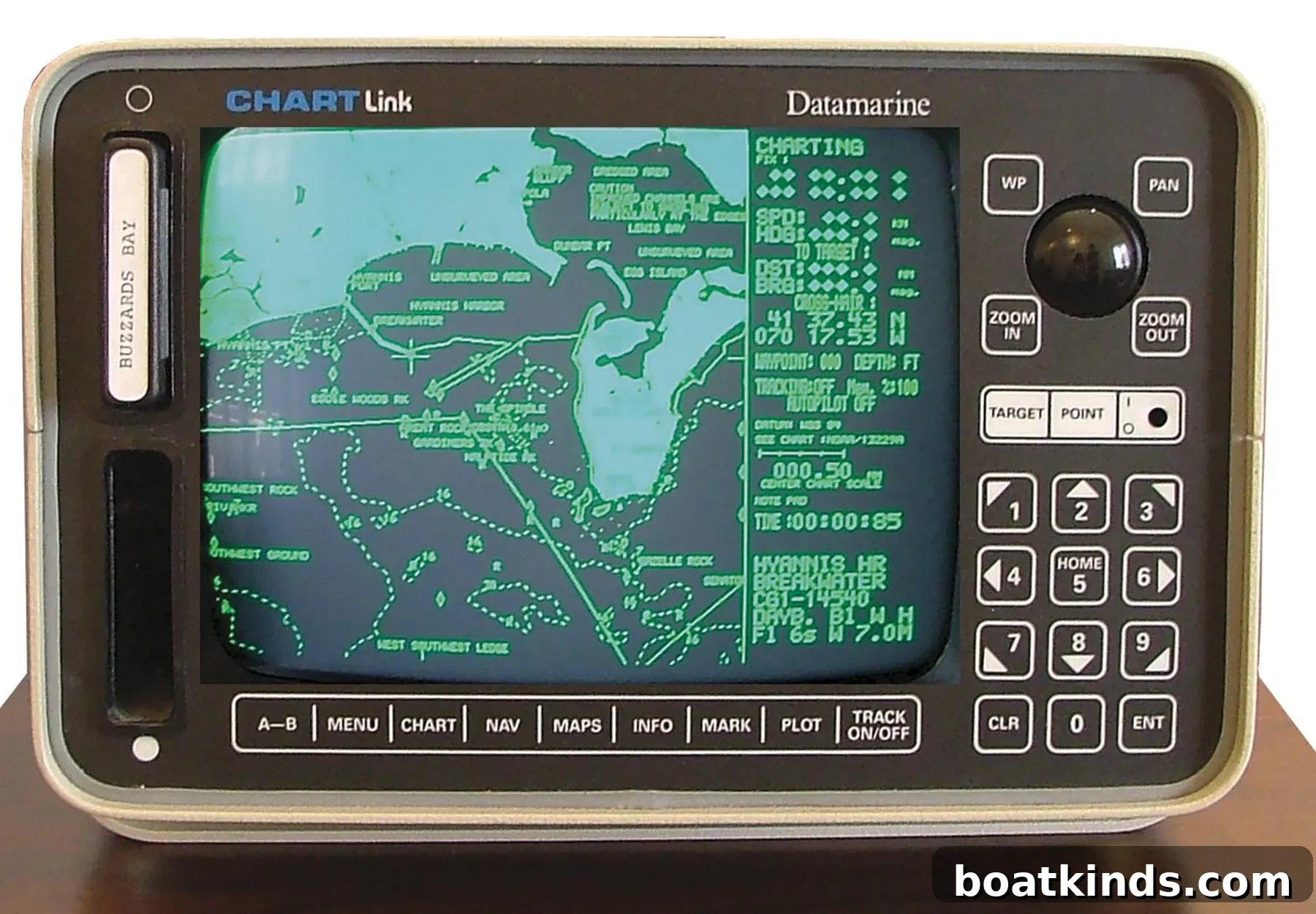
1985
The Datamarine ChartLink becomes the first electronic chartplotter sold in the U.S., using vector charts developed by Navionics founders Giuseppe Carnevali and Fosco Bianchetti. This device foreshadowed the multifunction displays and integrated navigation systems common on boats today.
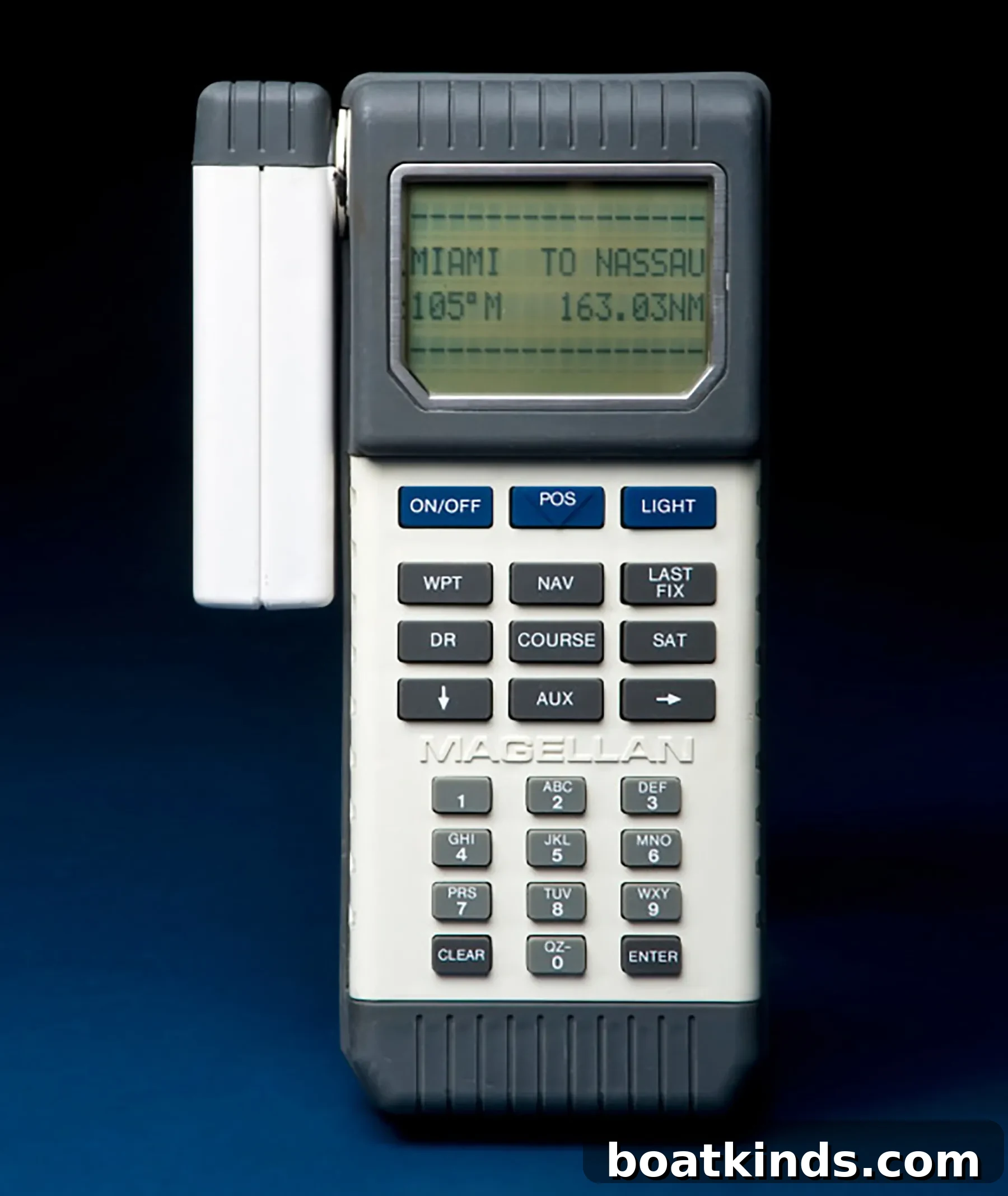
1988
Magellan releases the NAV1000, a battery-powered handheld GPS receiver. Around the same time, the ProNav GPS 100 panel-mounted receiver appears; its creators later rename their company Garmin. As reliable satellite-based GPS coverage proves effective on the open ocean, it gradually replaces coastal systems like Loran for many users.
1989
Derek Fawcett develops SeaTalk, a digital communications protocol that lets Autohelm units exchange data over a single cable with other onboard instruments. SeaTalk foreshadowed standardized networks such as NMEA 2000, which enable wider plug-and-play connectivity for marine electronics.

Early 1990s
Planning begins for the Automated Identification System (AIS), a short-range VHF data link that allows vessels to broadcast identification, position, heading, speed, vessel name, dimensions and other details to nearby ships and shore stations. AIS becomes an important tool for collision avoidance and vessel traffic awareness.

2000
President Bill Clinton ends Selective Availability, the intentional degradation of GPS signals. This policy change dramatically increases civilian GPS accuracy, improving reliability for navigation, chartplotting and marine positioning systems worldwide.
2004
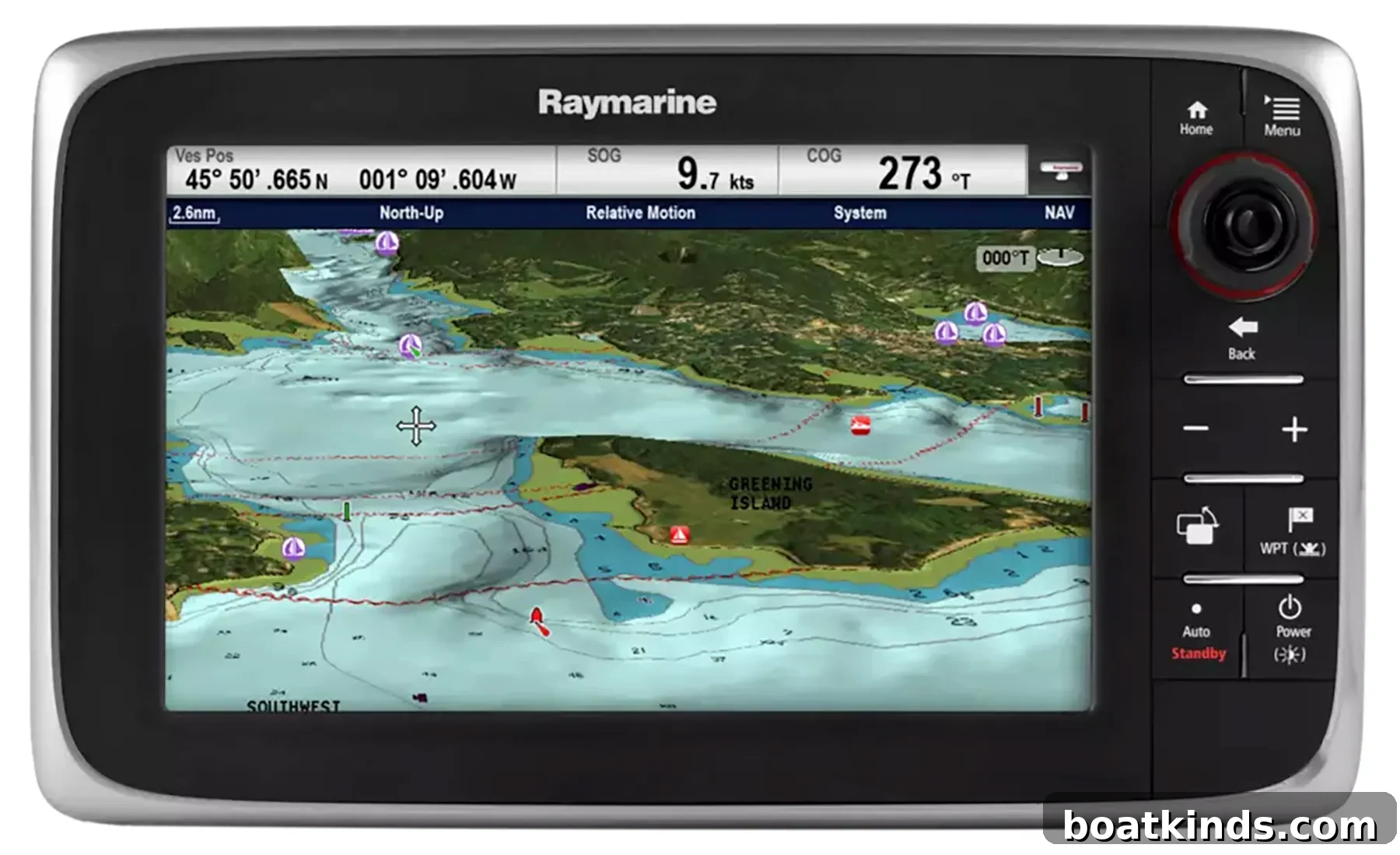
Raymarine introduces its C‑Series multifunction displays (MFDs), helping to popularize integrated chartplotter, radar and instrument screens among recreational boaters.
2006
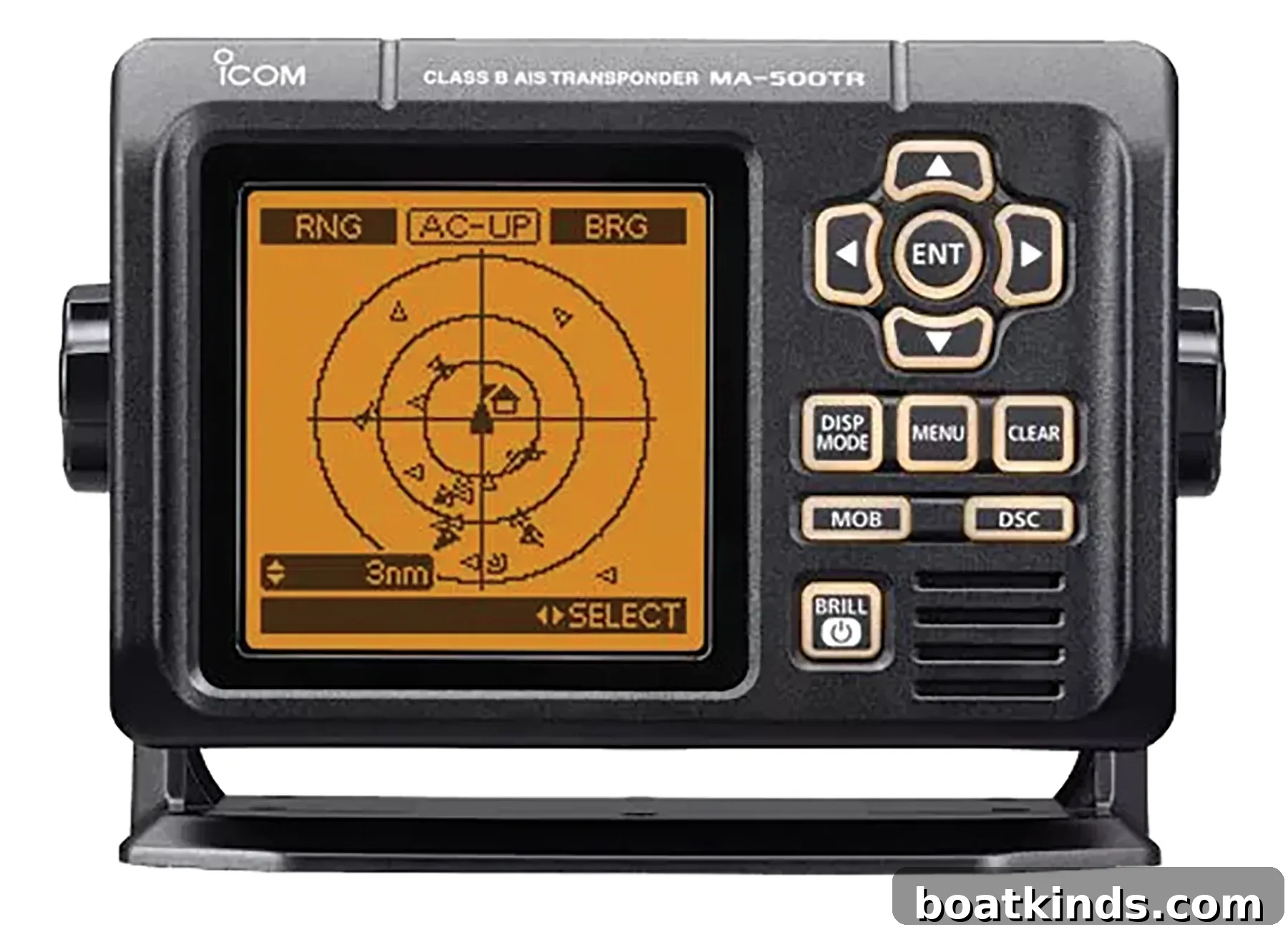
Affordable Class B AIS transceivers enter the market for smaller vessels. Although AIS carriage mandates target commercial shipping, leisure craft increasingly adopt AIS for enhanced safety and situational awareness.
2007
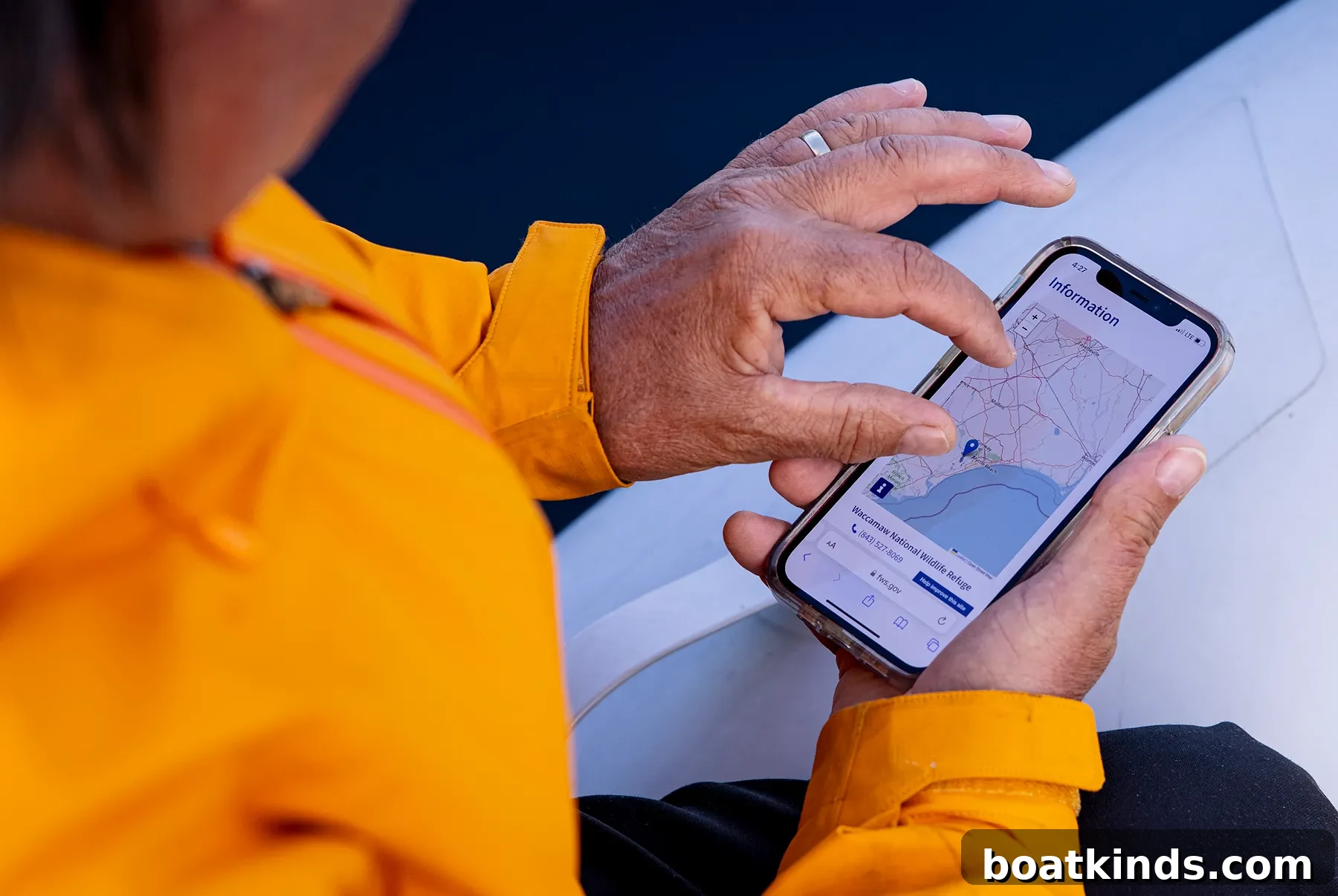
Apple debuts the iPhone, which by 2008 includes GPS capability. Smartphone and tablet charting apps soon follow, bringing electronic charts, route planning and navigation tools into handheld devices and expanding options beyond dedicated marine electronics.
2009
With GPS pervasive and highly accurate, the U.S. government declares Loran‑C obsolete and the U.S. Coast Guard decommissions the system in 2010. Later, concerns about GPS vulnerabilities prompt renewed interest in resilient backup systems.
2015
Recognizing the critical need for independent navigation skills should GPS fail, the U.S. Navy reinstates celestial navigation instruction for midshipmen, with support from the U.S. Merchant Marine Academy. This reinforces the value of traditional navigation techniques as a backup to electronic systems.

2017
Reports of GPS interference in regions such as the Black Sea and other incidents strengthen plans to develop an enhanced Loran (eLoran) system to serve as a complementary backup to GPS, addressing concerns over signal jamming and spoofing.
2019
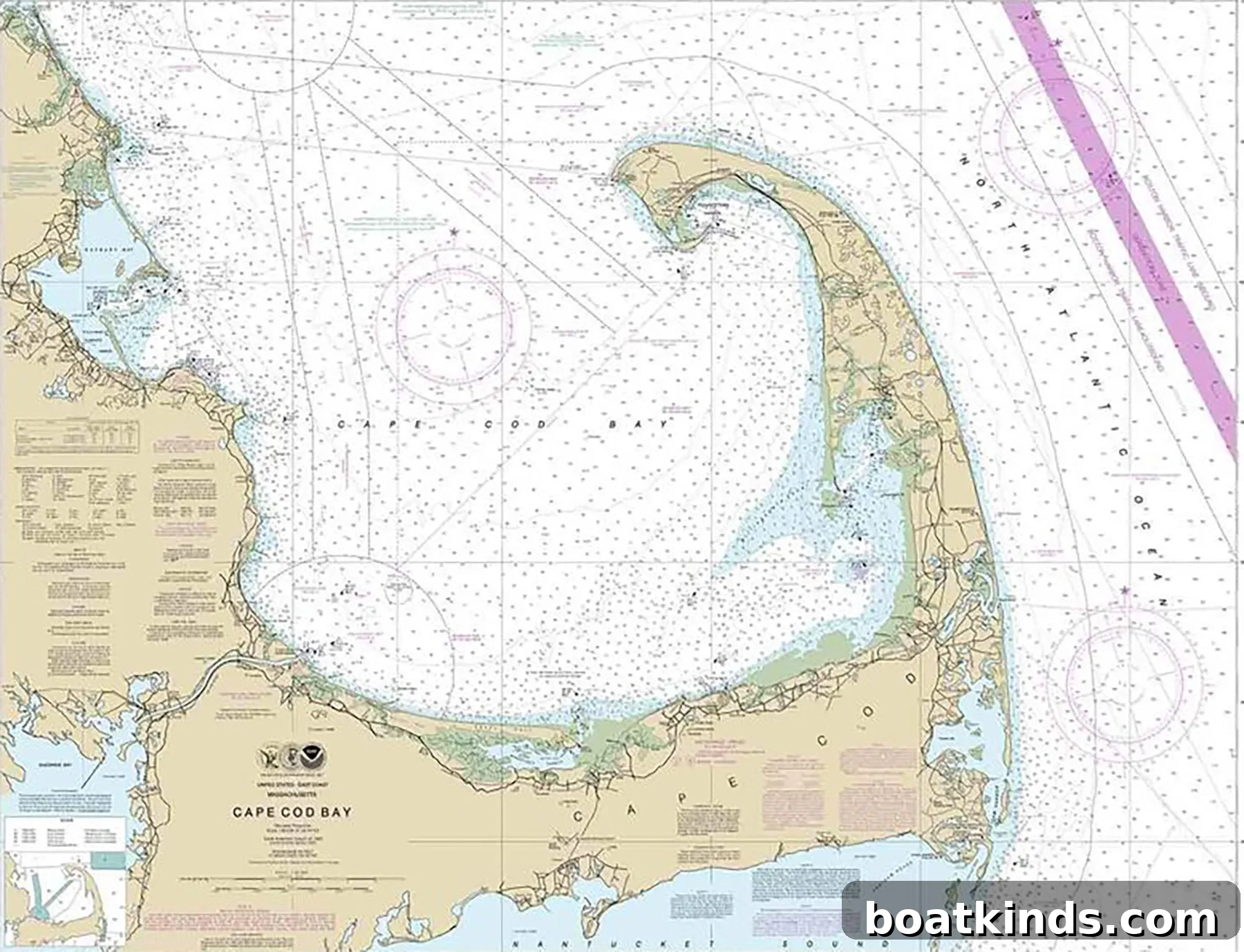
NOAA announces it will gradually discontinue traditional paper and raster nautical chart production, transitioning charting services toward digital formats. The phased process is scheduled for completion by January 2025, marking a significant shift toward electronic charting for navigation and voyage planning.
Today
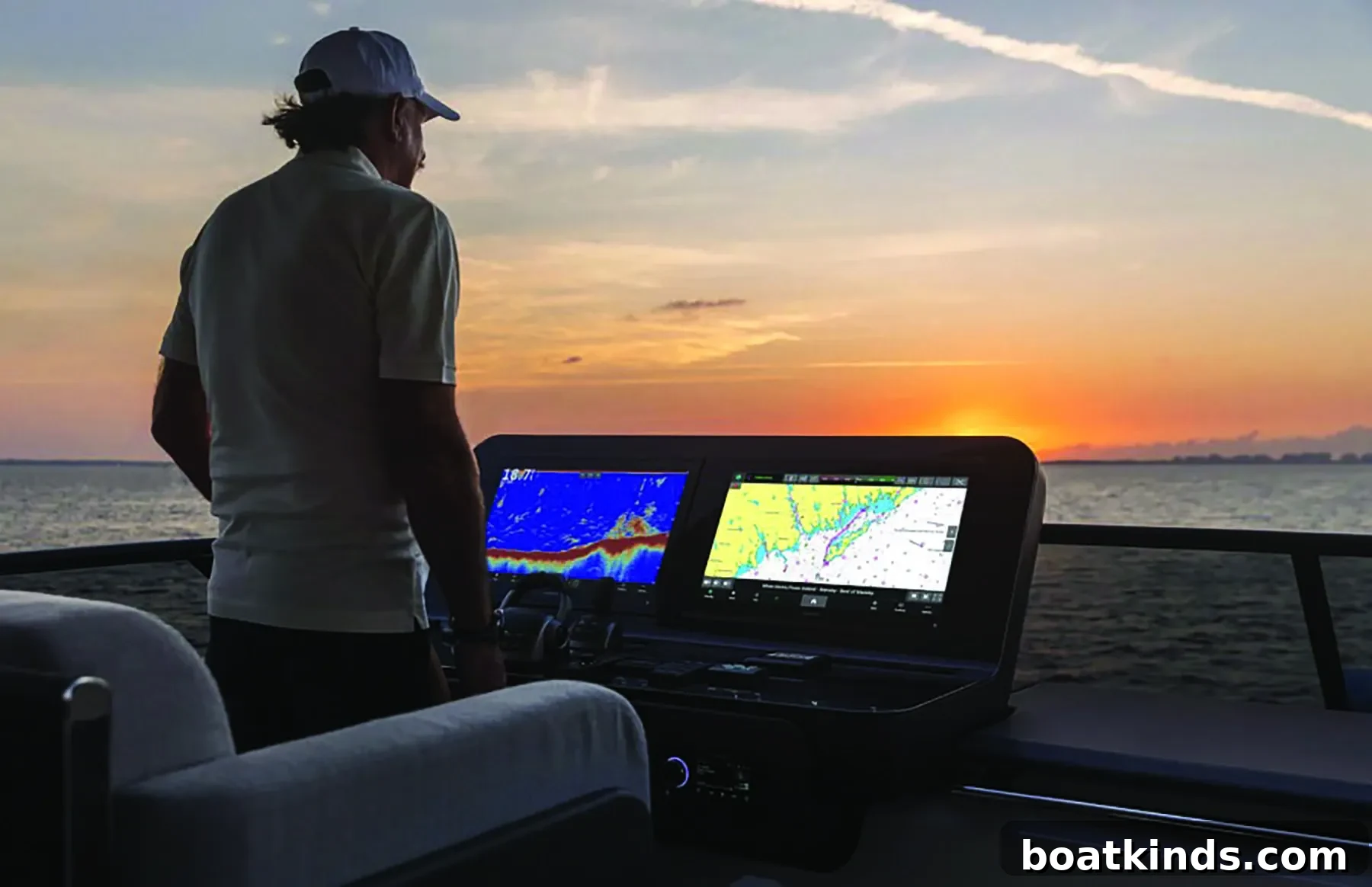
Today’s marine navigation combines the transistor, satellite systems and powerful microchips to deliver integrated situational awareness. Modern MFDs consolidate GPS, radar, depth sounders, AIS and other sensors into single displays. Technologies once limited to commercial or high‑end yachts are now affordable for recreational boaters, and smartphones and tablets can replicate many MFD functions with apps and consumer GPS receivers.
Advanced displays can fuse inputs from onboard cameras, infrared and low-light sensors, laser rangefinders and more, enabling precise navigation often down to single-digit feet. Despite these advances, prudent mariners continue to carry paper charts, understand traditional navigation methods and maintain redundancy in their navigation systems.
This article originally appeared in the February 2024 issue.