
An Air Force B-1B Lancer conducted a live-fire accuracy exercise in the Gulf of Mexico, dropping a GBU-10 laser-guided bomb onto an unmanned mock pirate skiff. The objective was to evaluate the precision of air‑delivered, laser-guided munitions against small maritime targets, and the test met its goals successfully.
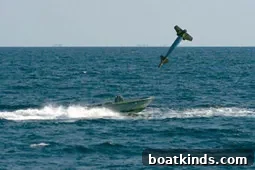
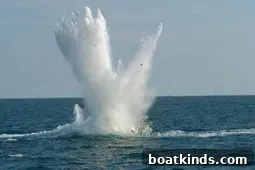
The B-1B Lancer, a long-range, high-speed bomber in the U.S. Air Force inventory, was selected for this mission to demonstrate the platform’s ability to deliver precision-guided weapons in a maritime environment. The munition employed in the exercise, the GBU-10, is a laser-guided bomb known for its accuracy against point targets. Tests like this validate weapon delivery systems, refine targeting procedures, and ensure that crews and aircraft systems can reliably engage small, fast-moving surface threats with minimal collateral impact.
Maritime strike testing against an unmanned mock pirate skiff provides a controlled way to assess end-to-end performance: from target designation and tracking through weapon release and terminal guidance. The mock skiff simulates the size and behavior of small craft commonly encountered in littoral regions, giving planners and crews realistic conditions for evaluating tactics and sensor performance. In this case, the operation focused on laser designation and homing, a guidance method that uses reflected laser energy to steer the bomb to the illuminated aim point.
Precision munitions such as the GBU-10 are designed to concentrate destructive force on a narrow target area while reducing unintended damage to nearby objects and people. This capability is especially important in maritime interdiction scenarios, where distinguishing hostile craft from noncombatant vessels and minimizing risk to nearby commercial traffic are essential considerations. By proving the ability to strike a small surface target accurately, the test reinforces the role of precision-guided weapons in modern naval and joint operations.
Operational testing exercises also serve several broader purposes. They provide data to engineers and weapons officers about how guidance and fuzing systems perform under real-world environmental factors such as sea clutter, glare, and atmospheric conditions. They give aircrews practice in coordinating with forward observers or airborne designators that mark targets with laser energy. And they help commanders evaluate tactics that integrate high‑speed bombers into maritime security missions alongside naval forces and other assets.
While the test took place in the Gulf of Mexico, the lessons learned apply more widely to littoral and coastal operations worldwide. Small, agile surface threats remain a concern in various maritime regions, and maintaining credible, precise strike options helps deter illegal activity and protects both military and civilian mariners. The successful employment of a GBU-10 from a B-1B demonstrates that heavy bomber platforms can provide timely, accurate firepower against constrained maritime targets when required.
Beyond the immediate tactical and technical validation, such exercises underscore the value of continued training and integration of sensors, targeting crews, and weapons systems. Regular live-fire evaluations keep personnel proficient, highlight potential areas for system improvements, and reassure policymakers and the public that deployed capabilities remain effective. The successful outcome of this Gulf of Mexico test is a clear example of how precision weaponry and skilled crews combine to achieve mission objectives under realistic conditions.
December 2013 issue